A History of Battle Royale Games: From Mods to Global Hits
How battle royale went from a Japanese novel and fan-made mods to PUBG, Fortnite, Apex Legends and Warzone: the key dates, people and turning points.
Few game genres can trace their rise as clearly as battle royale. In less than a decade it went from a niche game mode built by hobbyists on top of other people’s games to the format behind some of the most played titles in the world. Along the way it borrowed from a Japanese novel, a Minecraft plugin, a military simulator and a zombie survival mod. This history follows that path, focusing on the verified milestones and the people who shaped them.
The name: a novel and a film
The genre takes its name from Battle Royale, a 1999 novel by Japanese author Koushun Takami. Its premise, a totalitarian regime forcing a class of students onto a remote island to fight until one survivor remains, set out the rules that the games would later adopt: a group of contestants, a confined arena, scattered weapons and a single winner. The story reached a much larger audience through the 2000 film adaptation directed by Kinji Fukasaku, and a manga version followed.
The idea of “last one standing” was not new to games. Wikipedia’s history of the genre points to the 1990 game Bomberman as an early example of last-man-standing multiplayer. But the specific combination of scavenging, survival and an ever-shrinking arena came later, and it came from modders.
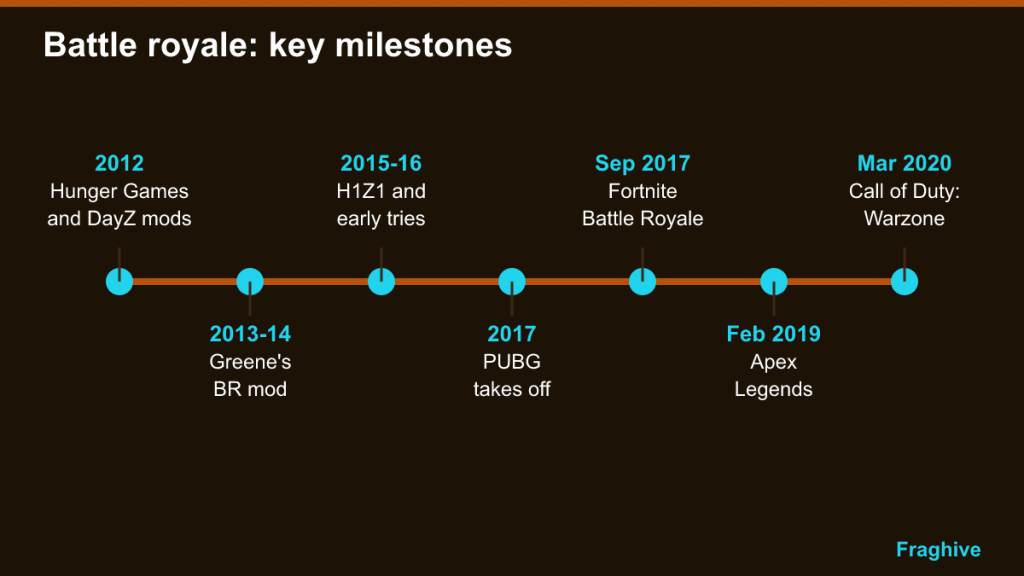
2012: Hunger Games servers and the DayZ mod
Two things happened in 2012 that set the stage.
Minecraft “Hunger Games” servers
After The Hunger Games film was released, Minecraft server communities created a plugin called Hunger Games, later renamed Survival Games. Players spawned around a central cache of chests, scrambled for gear and fought until one remained. These servers proved that a large audience enjoyed starting with nothing and battling to be the last survivor, all within an existing game.
DayZ for Arma 2
In August 2012, the DayZ mod for the military simulator Arma 2 was released. DayZ was not a battle royale: it was an open-ended zombie survival game with permanent death, scavenging and tense encounters with other players. But it showed how compelling it was to scavenge across a big open map knowing that any stranger could be a threat. It also made Arma 2 a popular platform for modding experiments.
2013–2014: Brendan Greene and the battle royale mod
The key figure in the genre’s early history is Brendan Greene, known online as “PlayerUnknown.” In 2013 he released a battle royale mod for DayZ, inspired by the film. In 2014 he recreated it for Arma 3. His mod formalized many of the rules still used today: a large map, players starting with little or nothing, randomly scattered loot and a playable area that shrinks over time to force players together.
Greene’s work was influential enough that he was brought on to help other studios. He consulted on Daybreak Game Company’s H1Z1, before going on to lead his own project.
2015–2016: H1Z1 and other early attempts
H1Z1 entered Steam early access on January 15, 2015, as a survival game with a battle royale mode. The mode proved so popular that in February 2016 Daybreak announced it was splitting the project in two: King of the Kill, focused on battle royale, and Just Survive, focused on survival. The battle royale side became one of the most streamed games of its time. It later reached a full release on February 28, 2018, went free-to-play shortly afterward, and in March 2019 was renamed Z1 Battle Royale.
Other developers experimented too. In July 2015, ARK: Survival Evolved added a “Survival of the Fittest” mode, and in 2016 The Culling entered early access. None of these broke out into the mainstream, but they confirmed that players wanted the format.
2017: PUBG changes everything
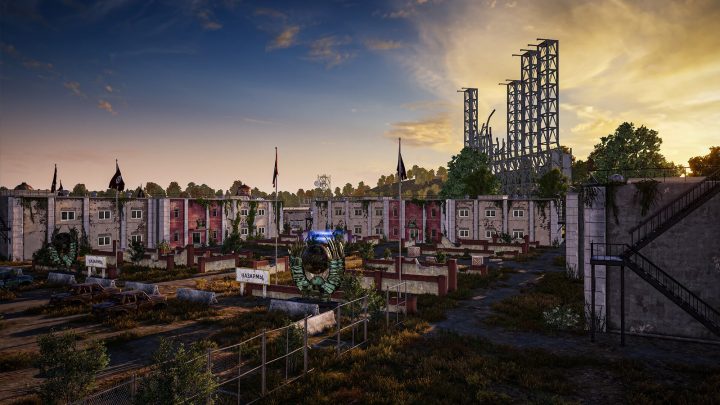
Greene joined the South Korean company Bluehole, the forerunner of today’s Krafton, as creative director of PlayerUnknown’s Battlegrounds, now called PUBG: Battlegrounds. It entered Steam early access on March 23, 2017, and became a phenomenon almost immediately.
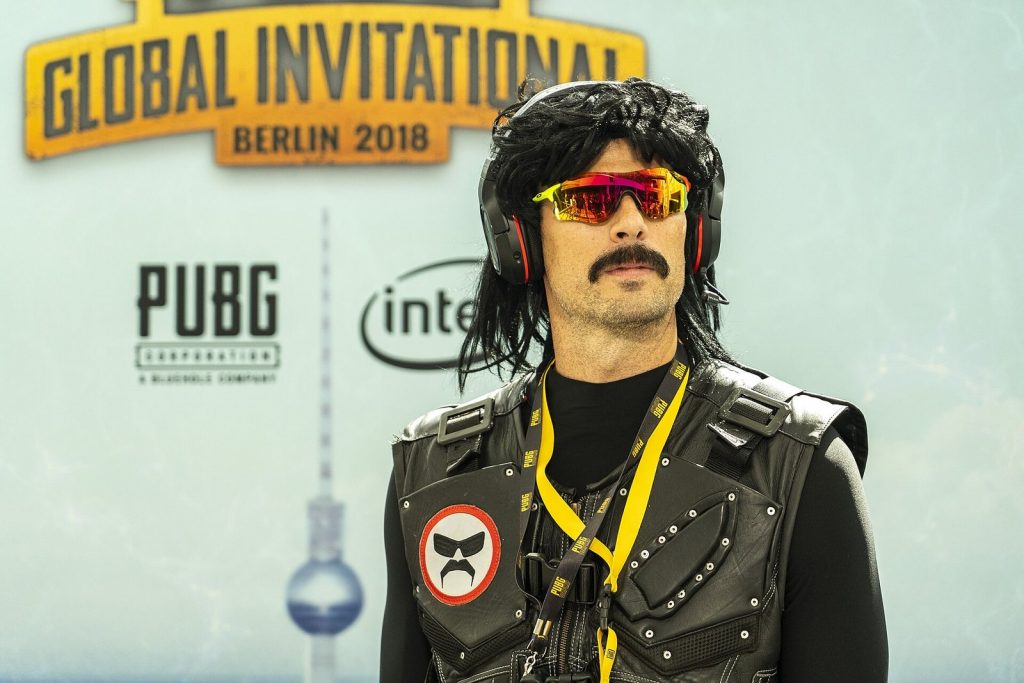
- In September 2017, its concurrent player count on Steam exceeded 1.3 million, passing Dota 2’s previous record.
- Guinness World Records later recognized a peak of 2,279,084 concurrent players on Steam, listing it as the first video game to reach two million concurrent players there.
- It fully released on PC on December 20, 2017.
PUBG’s formula was grounded and tense: 100 players parachuting from a plane, realistic weapons, vehicles and the Blue Zone closing in. It was a paid game at first and remained so for years before switching to free-to-play on January 12, 2022. Greene stepped down as lead designer in March 2019 while staying on as a creative consultant.
September 2017: Fortnite Battle Royale
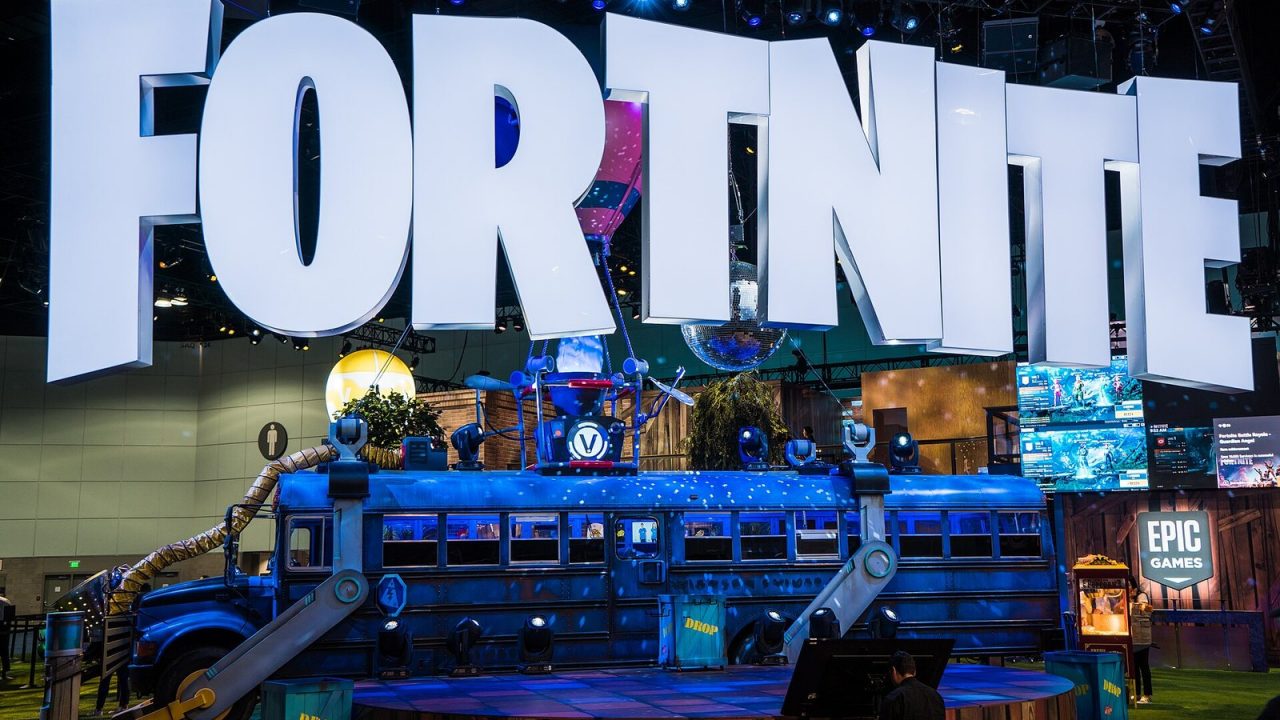
Epic Games had been developing Fortnite as a cooperative building and survival game, later known as Save the World. Seeing the success of the battle royale format, Epic built a free-to-play battle royale mode that launched on September 26, 2017. It combined the 100-player format with Fortnite’s signature building, a bright cartoon style and a free price tag.
Growth was explosive. Fortnite Battle Royale reported 20 million unique players by November 2017, then reached a total player base of 45 million in January 2018 and 3.4 million concurrent players in February 2018. It expanded to iOS, Nintendo Switch and Android during 2018, which brought the genre to entirely new audiences. Much later, in March 2022, Epic added Zero Build, a version of the mode without building.
February 2019: Apex Legends
Respawn Entertainment, the studio behind Titanfall, released Apex Legends without a traditional marketing build-up on February 4, 2019. It brought hero-shooter elements to the genre: squads of three, characters with distinct abilities and a smooth contextual ping system for communicating without voice chat. It also introduced respawn beacons, which let teammates bring back eliminated squadmates. Apex passed 50 million player accounts within a month of launch.
March 2020: Call of Duty: Warzone
Activision’s entry, Call of Duty: Warzone, launched free-to-play on March 10, 2020, supporting up to 150 players per match. It brought the polish and familiarity of Call of Duty, plus an in-match Cash economy, Buy Stations and the Gulag, a one-on-one arena where eliminated players could fight for a second chance. Its developers announced 50 million downloads in the first month and more than 100 million by April 2021.
Warzone’s later history shows how the genre keeps evolving. A rebuilt successor launched as Warzone 2.0 on November 16, 2022, the original version’s servers closed on September 21, 2023, and the original Verdansk map returned on April 3, 2025.
What the big four added to the formula
| Game | Launch | Key contribution |
|---|---|---|
| PUBG | March 2017 (early access) | Defined the modern, grounded 100-player format |
| Fortnite Battle Royale | September 2017 | Free-to-play reach, building, cross-platform popularity |
| Apex Legends | February 2019 | Character abilities, ping system, respawn beacons |
| Call of Duty: Warzone | March 2020 | Cash economy, Gulag, large lobbies, Resurgence |
Mobile and the global audience
The genre’s biggest numbers came from phones. Mobile versions and mobile-first battle royales brought the format to players who never owned a gaming PC or console. Wikipedia’s overview of the genre, citing figures reported around 2020, lists PUBG Mobile at 600 million players, Fortnite at 350 million, and other mobile hits such as Knives Out, Rules of Survival and Garena Free Fire in the hundreds of millions. Free Fire was reported to have more than 150 million daily active players in 2021. These figures are the companies’ own reported totals and should be read as indications of scale rather than precise comparisons, but they show how far the genre traveled from a handful of Arma servers.
Design ideas that spread
Several innovations from these games have become standard far beyond their original titles:
- The shrinking zone, used by almost every battle royale and many other multiplayer modes.
- The drop from a plane, bus or ship, letting players choose their own starting point.
- Contextual pinging, popularized by Apex Legends, which made wordless teamwork practical.
- Second-chance systems such as respawn beacons, Reboot Vans and the Gulag, which soften the “one life” rule for team play.
- Seasonal content models, where maps, items and modes rotate regularly to keep a free game fresh.
Why mods mattered
The battle royale story is, at its core, a modding story. Each step depended on players reworking games they already owned: Minecraft plugins, the DayZ mod, Greene’s Arma mods. Modding let creators test a risky idea cheaply in front of real players, and when those players showed up in large numbers, studios took notice. The same pattern appears in survival games, where DayZ’s influence is just as strong, but the battle royale branch is the clearest example of a fan-made mode turning into a commercial genre.
Where the genre stands
As of 2026, all four of the major titles are free-to-play, and each has expanded beyond its original mode with ranked play, limited-time events, smaller-format modes and respawn-focused variants. Many other games have adopted battle royale modes or borrowed its systems, from shrinking zones to ping communication. For a practical breakdown of the shared mechanics, see our guide to how battle royale games work, or jump straight into our beginner guides for PUBG: Battlegrounds and Fortnite.