PUBG: Battlegrounds for Beginners: Landing, Looting and Surviving the Blue Zone
A beginner's guide to PUBG: Battlegrounds: the plane drop, realistic gunplay, attachments, armor levels, healing and boosts, vehicles, and the Blue and Red Zones.
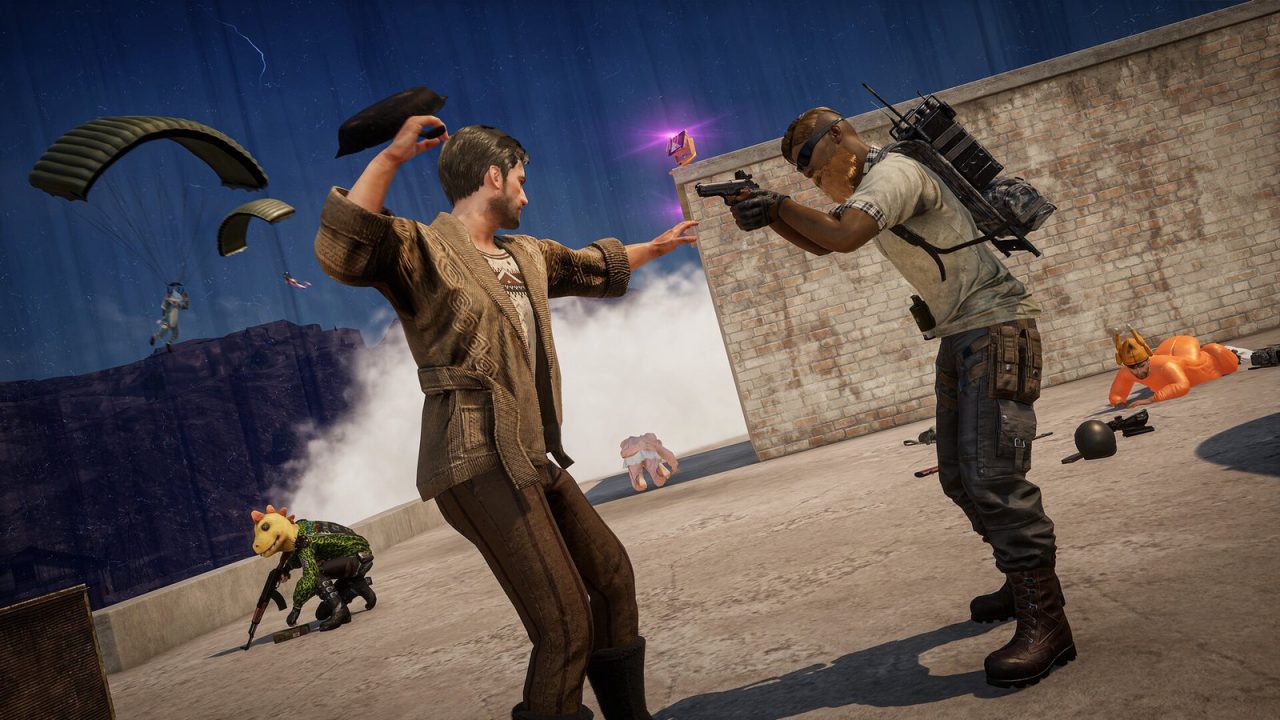
PUBG: Battlegrounds is the game that turned battle royale into a global phenomenon. It entered Steam early access on March 23, 2017, fully released on PC on December 20, 2017, and went free to play on all platforms on January 12, 2022. Compared with newer battle royales, it is slower, more grounded and more punishing: bullets drop over distance, recoil kicks hard, and a single mistake in the open can end your match. That is exactly why many players love it. This guide covers the fundamentals that apply on every map, so your first matches feel less like a lottery.
The format: 100 players, one winner
A standard match holds up to 100 players, playing solo, in duos or in squads of up to four. Everyone starts with nothing and parachutes onto one of several maps. The goal is to be the last player or team alive as the playable area shrinks. If the basic structure of the genre is new to you, our battle royale explainer covers the shared building blocks.
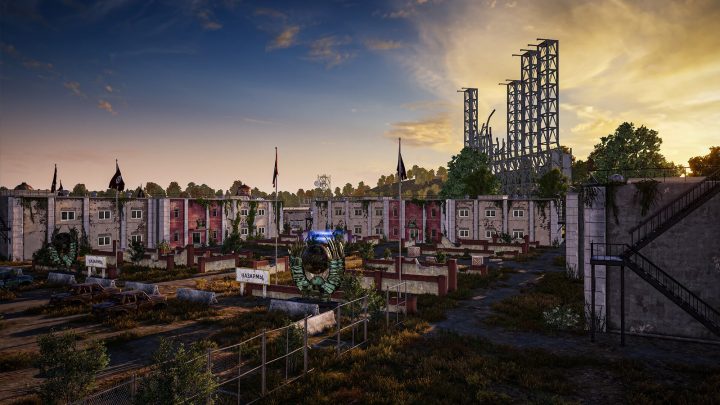
PUBG offers several maps, from the original 8×8 km Erangel to smaller, faster ones. The official site lists Erangel, Miramar, Sanhok, Karakin, Paramo, Taego, Deston, Vikendi and Rondo, though which maps appear in public matchmaking rotates over time. Larger maps play slower and reward patience and vehicles; smaller ones are more intense.
The plane and the drop
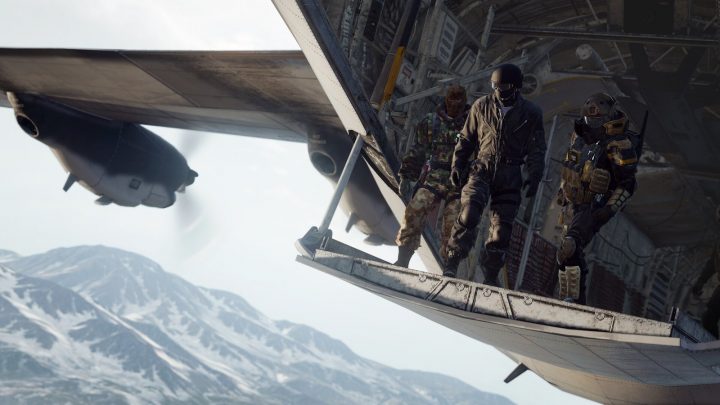
Every match starts aboard a plane that crosses the map on a path that changes each round. You choose when to jump, freefall, and open your parachute (it opens automatically if you wait too long).
Choosing where to land
Large towns and military areas near the flight path attract many players. Spots far from the path are quiet but may leave you a long journey to the safe zone. For your first matches, aim for a cluster of houses a moderate distance from the flight line. You will find enough gear without a crowd.
Landing fast
Diving steeply toward your target before deploying the parachute gets you down faster. Landing a few seconds before a nearby enemy often decides who finds a weapon first.
Looting: weapons, attachments and backpacks
Search buildings room by room. You are looking for, in rough order of priority:
- Any weapon and its matching ammo.
- Armor: a helmet and a vest.
- A backpack, which increases how much you can carry.
- Healing items and boosts.
- Attachments for your weapons.
- A second weapon for a different range, plus throwables such as grenades and smoke.
You can carry two primary weapons plus a sidearm and a melee item. A common beginner combination is an assault rifle for medium range paired with something for long range (a DMR or sniper rifle) or close range (a shotgun or SMG).
Attachments
Attachments make a bigger difference in PUBG than in many shooters, because the gunplay is less forgiving. The main categories:
- Sights and scopes magnify your view for longer ranges. A red dot or holographic sight suits close and mid range; magnified scopes let you engage at long range.
- Muzzle attachments such as compensators reduce recoil, flash hiders hide your muzzle flash, and suppressors reduce the sound of your shots.
- Grips help with recoil control.
- Magazines increase capacity or reload speed.
- Stocks improve stability on some weapons.
Realistic gunplay: bullet drop and recoil
PUBG’s weapons behave more realistically than in arcade shooters:
- Bullet drop. Bullets fall over distance and take time to travel. For long shots you aim slightly above the target, and for moving targets you lead them.
- Recoil. Automatic fire climbs upward. Pull down to compensate, fire in short bursts at range, and use attachments that reduce kick.
- Stance matters. Crouching and lying prone reduce recoil and make you a smaller target.
- Zeroing. Many scopes can be adjusted for distance, which takes the guesswork out of bullet drop on long shots.
Spend time in the training mode to learn how your favorite weapons handle. Short practice sessions make a noticeable difference.
Armor and helmet levels
Helmets and vests come in three levels. Higher levels absorb more damage, and armor loses durability as it is hit. A Level 3 helmet in particular can be the difference between surviving a headshot and being eliminated. Level 3 gear is rare, so treat it as a prize; care packages are one of the more reliable places to find top-tier equipment.
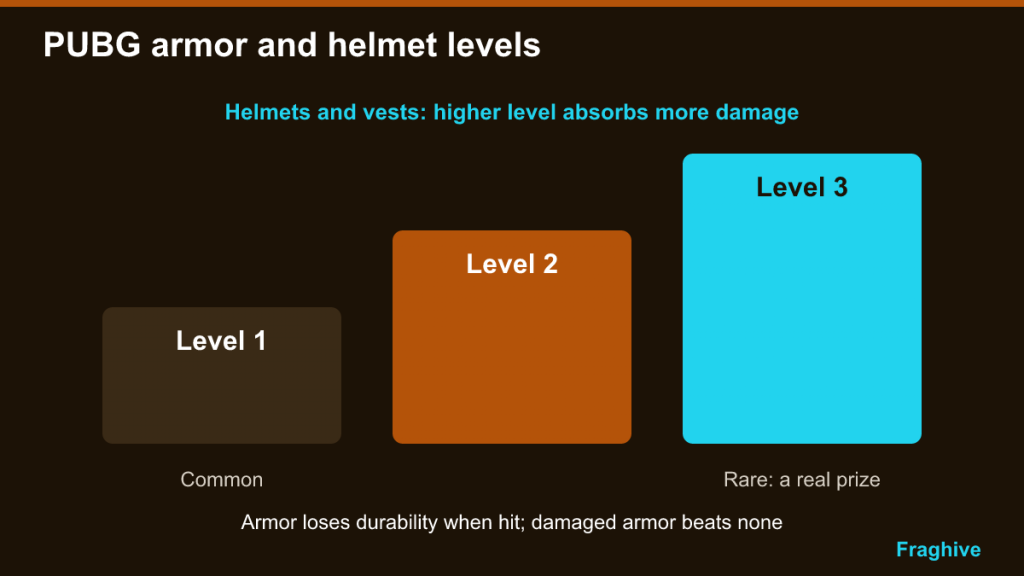
Always pick up a helmet and vest even if they are damaged. Partial protection is much better than none.
Healing and boosts
PUBG separates healing from boosts:
- Bandages heal a small amount over a few seconds.
- First aid kits heal a large amount in one use.
- Med kits restore you to full health but take longer to use.
- Boosts (energy drinks, painkillers and the adrenaline syringe) fill a separate boost meter. While it is filled you slowly regenerate health and, at higher levels, move faster.
Bandages and first aid kits cannot heal you all the way to full; only a med kit or boosts get you there. The efficient approach is to use a first aid kit or bandages, then pop boosts to keep regenerating while you move.
All healing takes time, and you cannot run at full speed while using it. Heal behind solid cover or inside a building with the door closed.
Vehicles
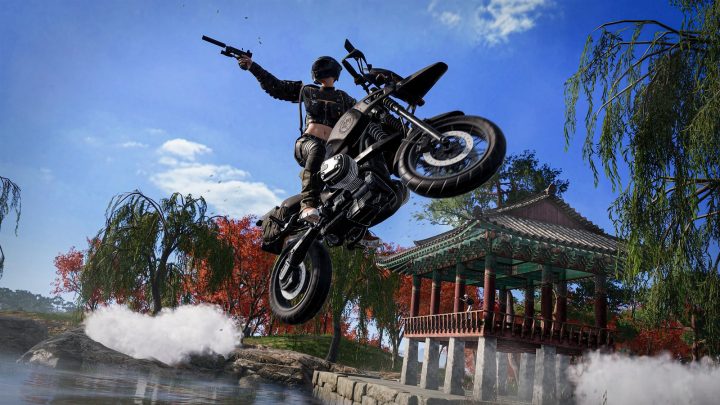
PUBG’s maps are large, and vehicles are often the difference between reaching the safe zone and dying outside it. Cars, buggies, motorbikes and boats appear depending on the map. Things to know:
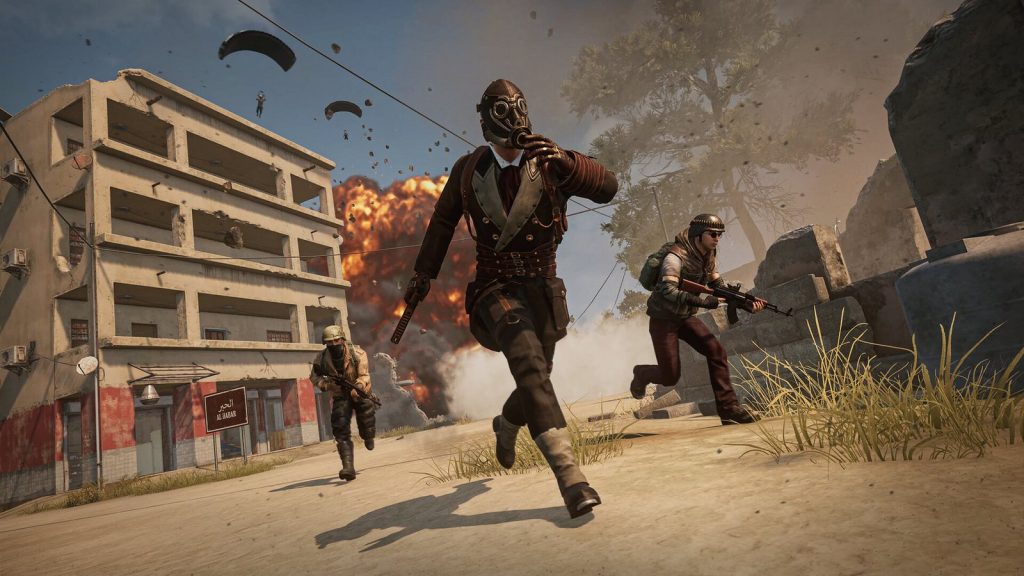
- Vehicles are loud and visible. Expect to be shot at.
- They consume fuel; keep an eye on the gauge and pick up fuel cans if you find them.
- Vehicles can be destroyed, and a burning car will explode. Get out quickly.
- When you stop near enemies, park the vehicle as cover between you and them.
The Blue Zone and the Red Zone
The Blue Zone
PUBG’s playable area is surrounded by the Blue Zone, a shimmering blue wall that closes in every few minutes toward a random location. Anyone caught outside takes damage over time, and later phases hurt much more than early ones. The map shows the current safe area as a white circle and the incoming wall as blue.
Key habits:
- Check the map when a new white circle appears and plan a route.
- In early phases, the damage is low enough that you can loot a little outside the zone, but do not get greedy.
- In late phases, standing outside the zone is fatal very quickly.
- Moving early to a position inside the next circle, such as a building or a ridge, usually beats arriving late and running across open fields under fire.
The Red Zone
At random, a part of the map is highlighted in red and then bombarded. You get a warning before the bombs start falling. If you are inside the red area, get indoors or leave it. Players under a solid roof are much safer than those in the open.
Care packages
During a match, planes drop care packages that float down under parachutes and release red smoke on landing. They contain gear you rarely find on the ground. Flare guns can also call in a package. Care packages attract attention, so before running to one, look at the surrounding terrain; experienced players often wait nearby and ambush whoever arrives first.
Sound: your best early-warning system
PUBG’s audio carries a lot of information, and good headphones are one of the best upgrades you can make. Footsteps reveal players inside buildings, doors creaking tell you someone has entered or left, and vehicle engines can be heard from a long way off. Gunshots tell you the direction of a fight, and with experience you will also recognize which weapon is firing. Open doors are a clue too: if a house you are approaching has its doors open, someone has probably already looted it and may still be inside.
Your own noise matters as much. Sprinting is loud, so walk or crouch when you suspect an enemy is nearby, and close doors behind you when you hide inside a building.
Common beginner mistakes
- Running in straight lines across open ground. Long fields are where most beginners die. Move between cover, and use ridges and tree lines.
- Spraying at long range. Full-auto fire at distance mostly hits the sky. Fire single shots or short bursts.
- Ignoring the helmet. Headshots are deadly. Pick up any helmet you find.
- Leaving it too late to move. On a big map you may need several minutes to reach the next circle. Find a vehicle early if the circle is far away.
- Healing in the open. PUBG’s healing takes several seconds. Find a wall first.
A plan for your first matches
- Land at a moderate distance from the flight path.
- Loot a weapon, helmet, vest and backpack before anything else.
- Add attachments to reduce recoil.
- Learn to fire in short bursts and to go prone when shooting at range.
- Watch the map and move early; use a vehicle on large maps.
- Heal and boost behind cover.
- Avoid open fields in the final circles; move between cover.
PUBG rewards patience above everything. You will lose many matches to a player you never saw. Each time, ask where the shot came from and how you could have avoided being in the open, and your survival rate will climb.