




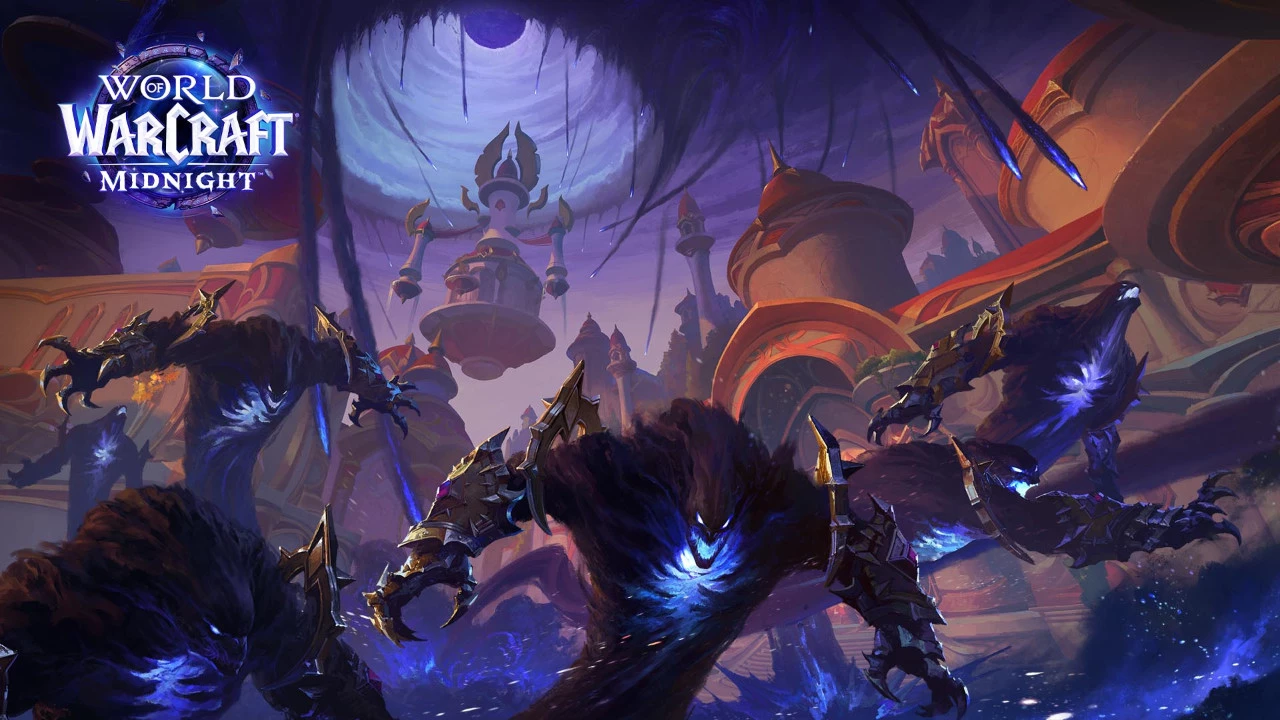
Blizzard Entertainment continues its ambitious effort to make World of Warcraft fully playable without relying on third-party modifications. With the upcoming patch 12.1, the development team is introducing a series of significant interface improvements that aim to reduce players’ dependency on community-created addons. This ongoing initiative represents a fundamental shift in how the legendary MMORPG approaches user experience, potentially changing the landscape of how millions of players interact with the game on a daily basis.
For nearly two decades, World of Warcraft has maintained a unique relationship with its modding community. Unlike many other online games that restrict or prohibit modifications, Blizzard has historically embraced addons, allowing players to customize nearly every aspect of their interface. However, this openness created an unintended consequence: many features that players consider essential have long been available only through third-party addons, effectively making them mandatory for competitive play. Popular modifications like Deadly Boss Mods, Details!, and WeakAuras have become so integral to the raiding and PvP experience that playing without them often feels incomplete.
The Evolution of Blizzard’s Approach to Native Features
Blizzard’s strategy to integrate addon functionality into the base game has been years in the making. The company began this process in earnest during the Battle for Azeroth expansion, when they introduced the native quest tracking system that reduced reliance on addons like Questie. The Shadowlands expansion continued this trend with improved nameplate options and raid frame customization. Now, with patch 12.1, the developers are taking even bolder steps by implementing features that directly address some of the most popular addon categories, including improved combat logging, customizable action bars, and enhanced visual indicators for boss mechanics.
Industry analysts have noted that this approach serves multiple purposes for Blizzard. First, it lowers the barrier to entry for new players who might be intimidated by the prospect of installing and configuring dozens of addons before they can effectively participate in endgame content. Second, it provides a more stable gaming experience, as native features don’t break with each major patch the way third-party addons often do. Finally, it gives Blizzard greater control over the competitive integrity of their game, particularly important for the growing esports scene around the Mythic Dungeon International and Arena World Championship.
Community Response and Developer Philosophy
The World of Warcraft community has shown mixed reactions to Blizzard’s interface improvements. Some veteran players express concern that reducing addon dependency might eventually lead to restrictions on modifications altogether, potentially limiting the creative freedom that has defined the WoW experience. Others welcome the changes, arguing that essential gameplay features should never have required external downloads in the first place. Addon developers themselves have largely remained positive, with many viewing Blizzard’s improvements as an opportunity to focus on more specialized and innovative features rather than basic functionality.
Game Director Ion Hazzikostas has previously addressed these concerns in developer interviews, emphasizing that Blizzard has no intention of eliminating addon support. Instead, the philosophy centers on ensuring that the default game experience meets modern standards while still allowing players who desire additional customization to pursue it. This balanced approach acknowledges both the value that the modding community brings to the game and the responsibility Blizzard has to provide a complete product out of the box. The upcoming patch represents another step in this ongoing journey to find the optimal balance between official features and community creativity.
Looking Ahead: The Future of MMORPG Interfaces
The changes coming in patch 12.1 reflect broader trends in the MMORPG genre. Competitors like Final Fantasy XIV and Guild Wars 2 have long offered more comprehensive built-in interfaces, putting pressure on World of Warcraft to modernize its approach. As gaming audiences continue to expand and diversify, accessibility and user-friendliness have become increasingly important factors in retaining players. Blizzard’s ongoing investment in interface improvements suggests that the company recognizes these market realities and is committed to evolving World of Warcraft for contemporary audiences while respecting its rich heritage as the most customizable MMORPG ever created.
Expert Opinion: Blizzard’s gradual integration of addon functionality represents a smart long-term strategy that balances accessibility with player freedom. We can expect patch 12.1 to set new benchmarks for what players consider standard MMORPG features, potentially influencing the entire genre. The key challenge will be maintaining the delicate ecosystem that has made World of Warcraft’s modding community one of the most vibrant in gaming history while delivering a polished experience for casual players.