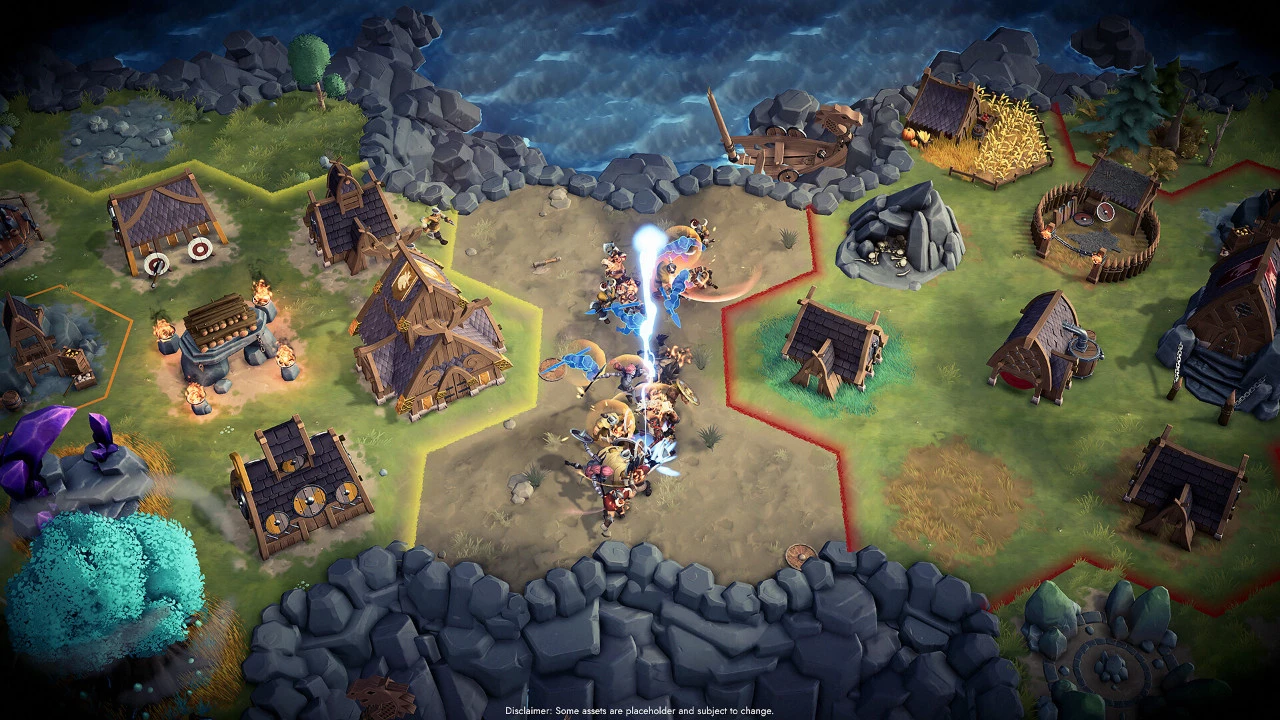



The ambitious MMORPG Anvil Empires has received a substantial update that fundamentally reshapes how players engage in territorial warfare, siege combat, and urban development. The development team has completely reworked the land capture system, introduced early-stage siege weapons, and created deeper interdependencies between player characters and their allies for survival. These changes mark a significant evolution in the game’s approach to large-scale multiplayer conflict.
Anvil Empires, developed by the creators behind the acclaimed Foxhole, continues to push boundaries in the persistent world MMO genre. The game distinguishes itself by offering players a truly player-driven experience where every battle, every structure, and every resource matters in an ongoing continental war. Unlike traditional MMORPGs that rely on instanced content and respawning enemies, Anvil Empires creates a living world where the consequences of player actions ripple across the entire game map.
Revolutionary Changes to Territorial Control
The updated territorial control system represents one of the most significant mechanical overhauls since the game’s early access launch. Previously, capturing territory often devolved into simple numerical superiority contests. The new system introduces multiple factors that determine successful land acquisition, including supply line maintenance, civilian population support, and strategic resource allocation. Players must now think several moves ahead, considering not just immediate military objectives but long-term sustainability of their conquests.
Perhaps the most intriguing addition is the transformation of forested areas into genuine tactical assets. Dense woodlands now provide substantial concealment bonuses, allowing smaller groups of players to ambush larger forces or retreat from unfavorable engagements. This change addresses long-standing community feedback about the game’s terrain feeling decorative rather than strategically meaningful. Forest warfare adds an entirely new dimension to military planning, as commanders must now consider whether to clear forests for visibility or preserve them for defensive purposes.
Early Siege Weapons Change the Assault Dynamic
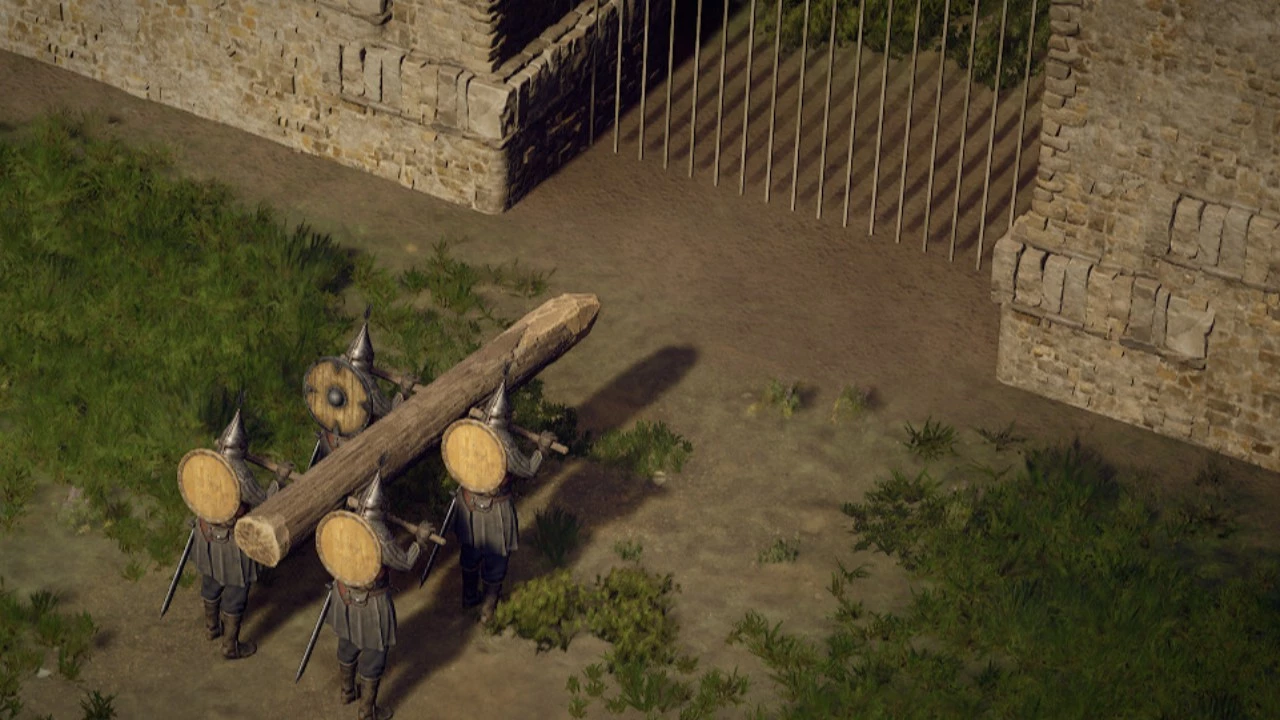
The introduction of early-game siege equipment dramatically alters how players approach fortified positions. Previously, assaulting well-defended towns required extensive preparation and resource investment that only the most organized guilds could manage. The new tiered siege weapon system allows smaller groups to construct basic battering rams and ladder systems, making warfare more accessible while still rewarding the sophisticated engineering efforts of larger factions with more powerful equipment.
This democratization of siege warfare reflects a broader design philosophy shift. The developers have acknowledged that excessive barriers to meaningful participation were causing player retention issues. By creating multiple entry points for siege combat, the update ensures that new players can contribute meaningfully to major conflicts while veterans still have advanced systems to master. Historical siege warfare often relied on simple but effective tools alongside complex machinery, and this update captures that authenticity.
Interdependence and Community Survival
The survival mechanics overhaul introduces genuine consequences for neglecting social bonds within the game. Player characters now depend more heavily on allied support for basic necessities like food, medical care, and equipment maintenance. Lone wolves will find themselves at severe disadvantages, while players who invest in community infrastructure will see tangible benefits. This system encourages the formation of authentic social structures within the game, moving beyond simple combat guilds toward more complex political entities.
City development has also received attention, with new building types that provide passive benefits to all residents. Hospitals reduce respawn penalties, granaries extend food spoilage timers, and training grounds accelerate skill development. These additions create meaningful choices about urban planning that extend far beyond aesthetic preferences. The interconnected nature of these systems means that successful factions must balance military expansion with domestic development, mirroring the challenges faced by historical civilizations.
Looking Forward: The Future of Anvil Empires
This update positions Anvil Empires as a serious contender in the increasingly competitive sandbox MMO market. The game’s willingness to make substantial mechanical changes based on player feedback demonstrates a development philosophy that prioritizes long-term game health over short-term stability. As the early access period continues, players can expect further refinements to these systems and potentially new features that build upon the foundations established by this update. The transformation of passive environmental features into active gameplay elements suggests exciting possibilities for future content.
Expert Opinion: This update signals that Anvil Empires is maturing from an experimental sandbox into a polished strategic experience. The emphasis on interdependence and meaningful terrain could establish new standards for the genre. If the development team maintains this trajectory, Anvil Empires may well become the definitive large-scale warfare MMO within the next year.