





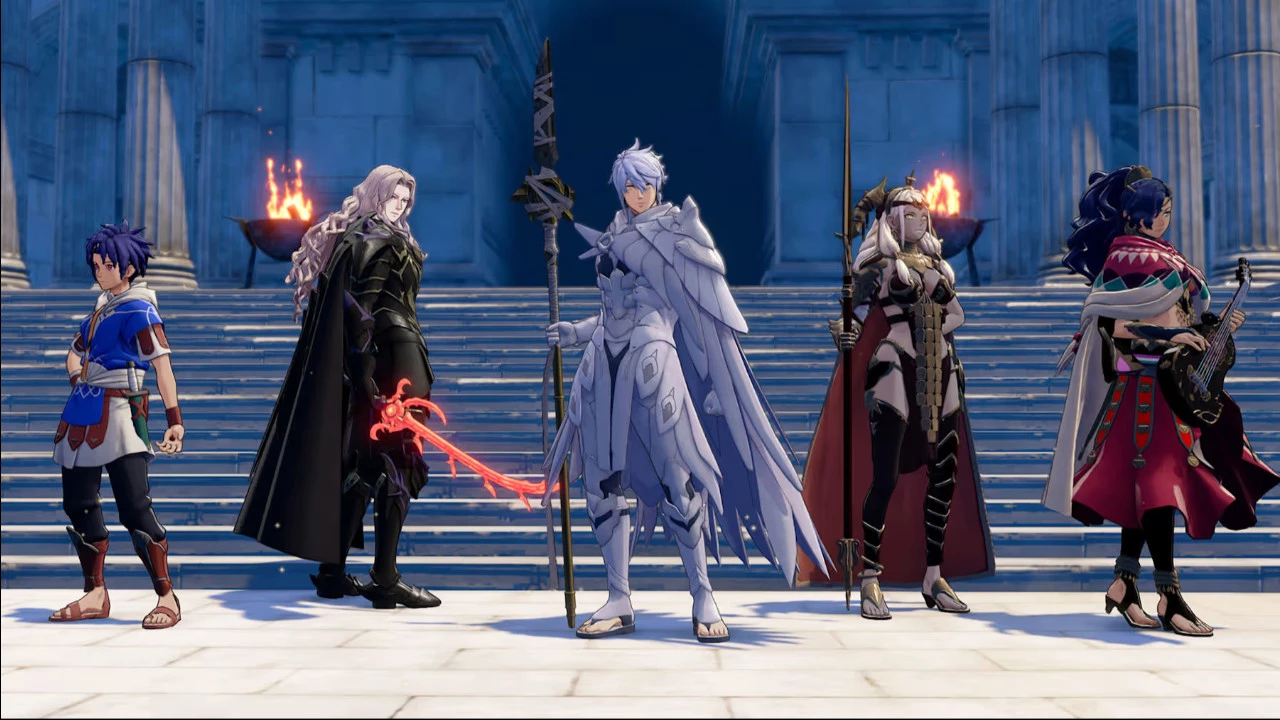
A recent preview of Nintendo’s upcoming tactical RPG Fire Emblem: Fortune’s Weave has sparked heated debate in the gaming community after a Polygon writer dedicated significant attention to the absence of same-sex romance options in the game. The preview, which was meant to offer early impressions of gameplay and mechanics, instead became a flashpoint in the ongoing culture war surrounding video game content and representation. Critics argue that the focus on relationship options overshadowed discussion of the game’s actual strategic elements, while others defend the importance of highlighting inclusivity in modern gaming.
The Fire Emblem Franchise and Romance Systems
Fire Emblem has evolved significantly since its debut in 1990 on the Famicom. Originally a straightforward tactical role-playing game focused on grid-based combat and permadeath mechanics, the series expanded to include relationship-building elements starting with Fire Emblem: Genealogy of the Holy War in 1996. The support system, which allowed characters to develop bonds through conversations, became a franchise staple. Fire Emblem: Awakening (2013) and Fire Emblem Fates (2015) introduced more explicit romance mechanics, including marriage and child characters. Fire Emblem: Three Houses (2019) notably included same-sex romance options for the first time in the main series, though critics noted the options were limited compared to heterosexual pairings.
Fortune’s Weave represents the latest entry in this storied franchise, promising to blend classic tactical gameplay with modern production values. Nintendo has traditionally been more conservative in its approach to mature content, though the company has gradually adapted to changing cultural expectations in Western markets. The decision regarding romance options in any Fire Emblem title is closely watched by fans who have come to expect these features as part of the complete experience.
Gaming Journalism and Review Standards
The incident has reignited longstanding debates about the role of personal politics in game reviews and previews. Traditional gaming journalism focused primarily on technical performance, gameplay mechanics, graphics quality, and overall entertainment value. However, the past decade has seen a shift toward incorporating social commentary and representation analysis into coverage. This approach has divided the gaming community, with some appreciating the broader context while others prefer strictly mechanical assessments. Major outlets like IGN, Kotaku, and Polygon have increasingly incorporated diversity considerations into their coverage, reflecting broader media trends.
Critics of this approach argue that game reviews should prioritize helping consumers make informed purchasing decisions based on gameplay quality rather than ideological alignment. Supporters counter that representation matters to many players and deserves coverage alongside traditional review elements. The gaming industry itself has become more diverse, with developers increasingly considering inclusive design from the outset rather than as an afterthought. This evolution has created tension between different segments of the gaming audience with varying expectations for content.
Industry Response and Market Considerations
Nintendo has not publicly responded to the controversy surrounding the Polygon preview. The Japanese gaming giant typically maintains a measured approach to Western cultural debates, focusing marketing efforts on gameplay features and Nintendo’s family-friendly brand identity. Fire Emblem: Fortune’s Weave is expected to be a significant release for the company, and early previews suggest the tactical gameplay remains as engaging as ever. Industry analysts note that Fire Emblem games have consistently performed well commercially, with Three Houses selling over four million copies worldwide. The franchise’s dedicated fanbase tends to prioritize strategic depth and character development in their purchasing decisions.
The broader gaming market has seen increasing attention to representation in recent years, with some titles making inclusivity a central marketing point while others take more traditional approaches. Studies suggest that diverse character options can expand a game’s appeal without diminishing interest from core audiences. However, developers must balance various regional markets with different cultural expectations, particularly when creating content for global release. Japanese developers in particular often navigate different standards between domestic and international audiences.
Expert Opinion: This controversy reflects the growing divide between traditional gaming enthusiasts and outlets pursuing social commentary agendas. As the gaming industry matures, we can expect continued tension between those who view games purely as entertainment products and those who analyze them through cultural criticism lenses. Ultimately, market forces will determine which approach resonates with consumers, as players vote with their wallets on whether representation considerations influence their purchasing decisions.