



The development team behind the tactical real-time strategy game Broken Arrow has publicly acknowledged that their latest update, version 1.1.0.3, has fallen significantly short of player expectations. Following the patch release, the studio received an overwhelming wave of criticism from the gaming community, primarily concerning the sheer volume of changes transferred from the test branch and several new gameplay mechanics that left many players confused and frustrated. This rare display of transparency from a game developer has sparked both praise for their honesty and concern about the future direction of the ambitious military strategy title.
The Controversial Update and Community Backlash
The problems with version 1.1.0.3 began almost immediately after its deployment. Players reported that numerous changes had been pushed from the experimental test branch directly into the main game without adequate testing or community feedback integration. This approach contradicted the typical development cycle where test branch modifications undergo extensive scrutiny before becoming part of the stable release. The new mechanics introduced in the patch fundamentally altered certain gameplay elements that veteran players had come to rely upon, disrupting established strategies and unit behaviors that formed the core of competitive play.
Community forums and social media platforms were flooded with complaints detailing specific issues ranging from balance problems to user interface changes that negatively impacted the gaming experience. Many long-time supporters of Broken Arrow expressed disappointment not just with the technical issues, but with the apparent disconnect between the development team and their player base. The criticism reached such levels that the developers felt compelled to issue a public statement addressing the situation directly, a move that many in the gaming industry consider both risky and commendable.
Developer Response and Planned Fixes
In their official response, the Broken Arrow team demonstrated an unusual level of accountability rarely seen in the gaming industry. Rather than deflecting blame or remaining silent, the developers explicitly admitted that the update had failed to meet the standards they had set for themselves and that their community rightfully expected. This acknowledgment included a commitment to rapidly develop and deploy fixes that would address the most pressing concerns raised by players. The team outlined a preliminary roadmap for corrections, prioritizing the most game-breaking issues while promising a more thorough review of all changes introduced in the controversial patch.
The studio’s willingness to admit fault represents a significant departure from how many game developers handle similar situations. Historically, companies often release patches quietly or frame changes as intentional design decisions rather than mistakes. Broken Arrow’s approach appears to be building goodwill among their dedicated player base, with many community members expressing appreciation for the honest communication even while remaining critical of the original update. Industry analysts suggest this transparent approach may help retain the game’s player population during what could otherwise be a devastating period for community trust.
The Future of Broken Arrow and Lessons Learned
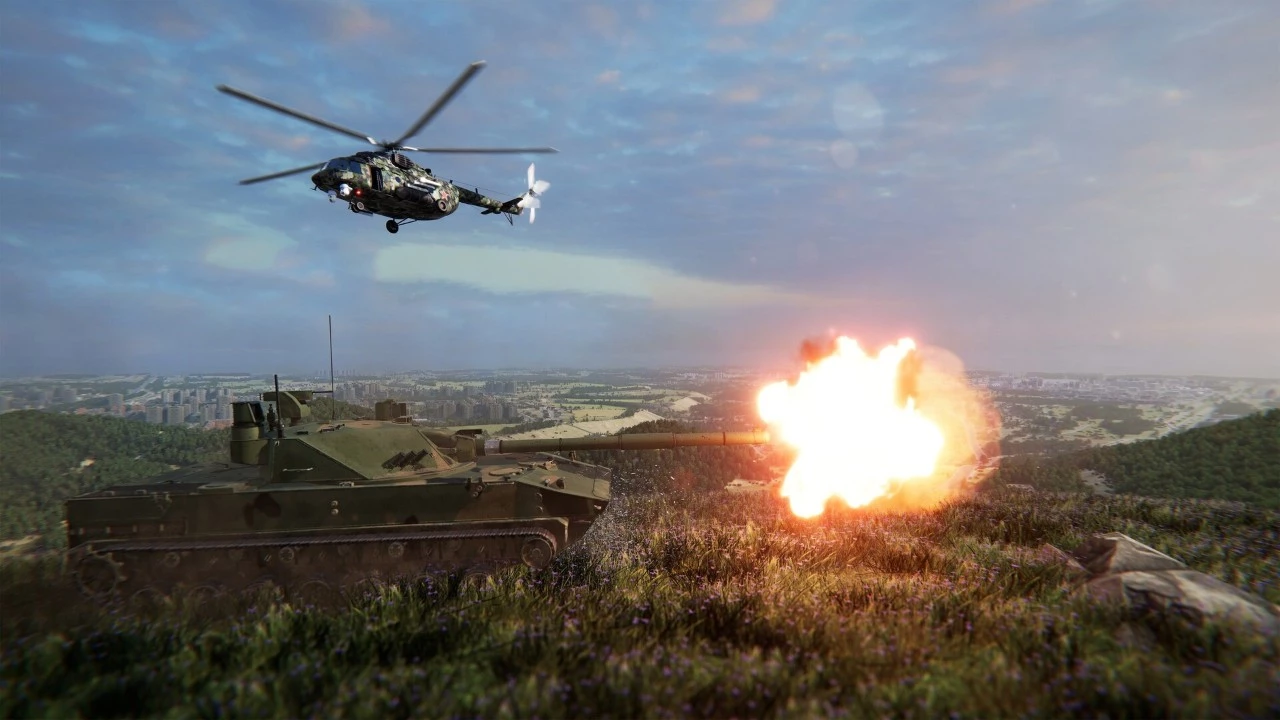
Broken Arrow, which focuses on modern military combat and tactical decision-making, has cultivated a dedicated following since its release. The game distinguishes itself through realistic unit behavior, detailed weapon systems, and complex battlefield dynamics that appeal to strategy enthusiasts seeking authenticity. This dedicated community has been instrumental in providing feedback during the game’s ongoing development, making the disconnect evident in update 1.1.0.3 particularly puzzling to observers. Moving forward, the development team has indicated they will implement more rigorous testing protocols and improve communication channels between the test branch participants and the broader player community.
The incident serves as a valuable case study for the gaming industry regarding the importance of maintaining strong developer-player relationships and the potential consequences of rushing updates to market. As the team prepares their corrective patches, the Broken Arrow community watches closely, hoping that this setback will ultimately lead to improved development practices and a stronger final product. The coming weeks will prove critical in determining whether the developers can successfully rebuild trust and restore the gameplay experience that initially attracted their loyal player base.
Expert Opinion: This situation exemplifies a growing trend in live-service gaming where the pressure to deliver frequent updates can compromise quality assurance. The Broken Arrow team’s transparent acknowledgment of failure may actually strengthen their position long-term, as gaming communities increasingly value honesty over corporate deflection. Industry observers should watch closely whether this open communication approach becomes a model for other studios facing similar crises.