



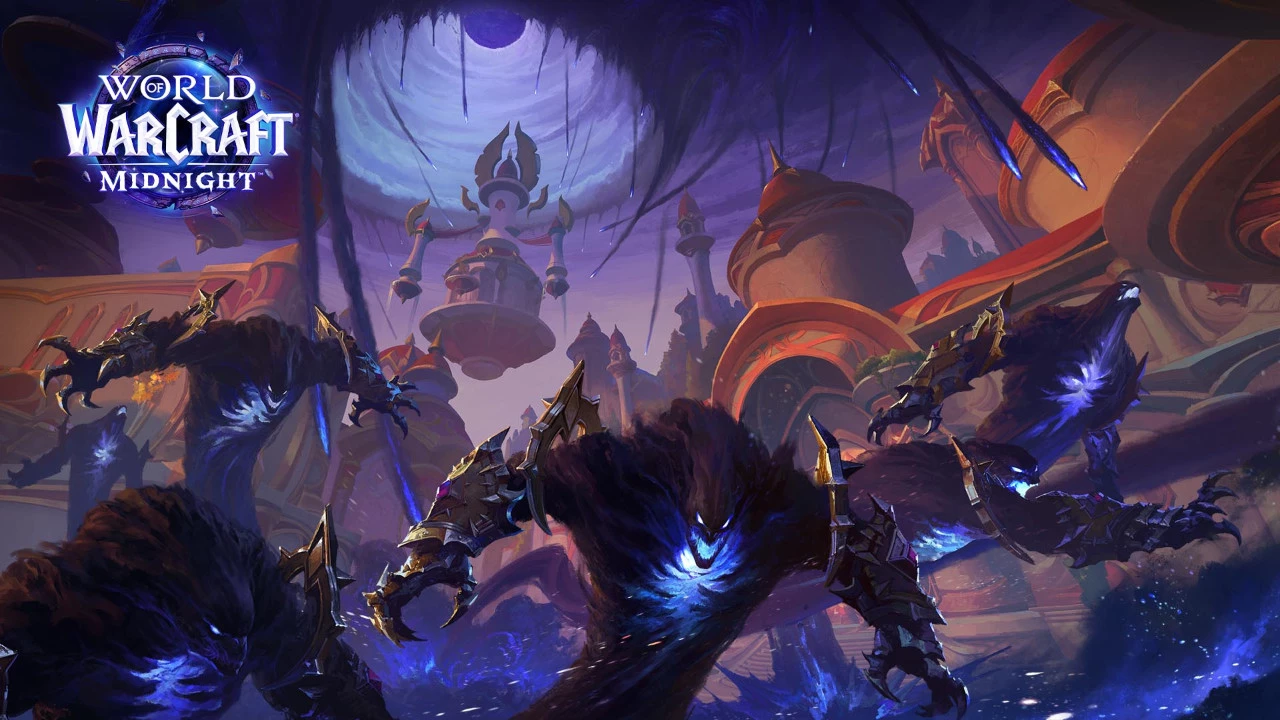
The world of Azeroth is undergoing a significant qualitative transformation as Blizzard Entertainment works to attract audiences with increasingly diverse gaming preferences. In recent statements, World of Warcraft’s leadership has made bold claims about the current state of the legendary MMORPG, suggesting that players have never had access to a better version of the game than what exists today. This assertion comes at a critical time for the franchise, which has weathered numerous challenges over its two-decade history while maintaining its position as one of the most influential games in the industry.
A Bold Statement from Blizzard Leadership
The executive team behind World of Warcraft has expressed unprecedented confidence in the game’s current direction. According to leadership, the combination of multiple game versions, improved quality-of-life features, and responsive development practices has created an environment where players of all types can find their ideal WoW experience. This represents a significant shift from previous eras when the development team faced substantial criticism for controversial design decisions and content droughts that alienated portions of the player base.
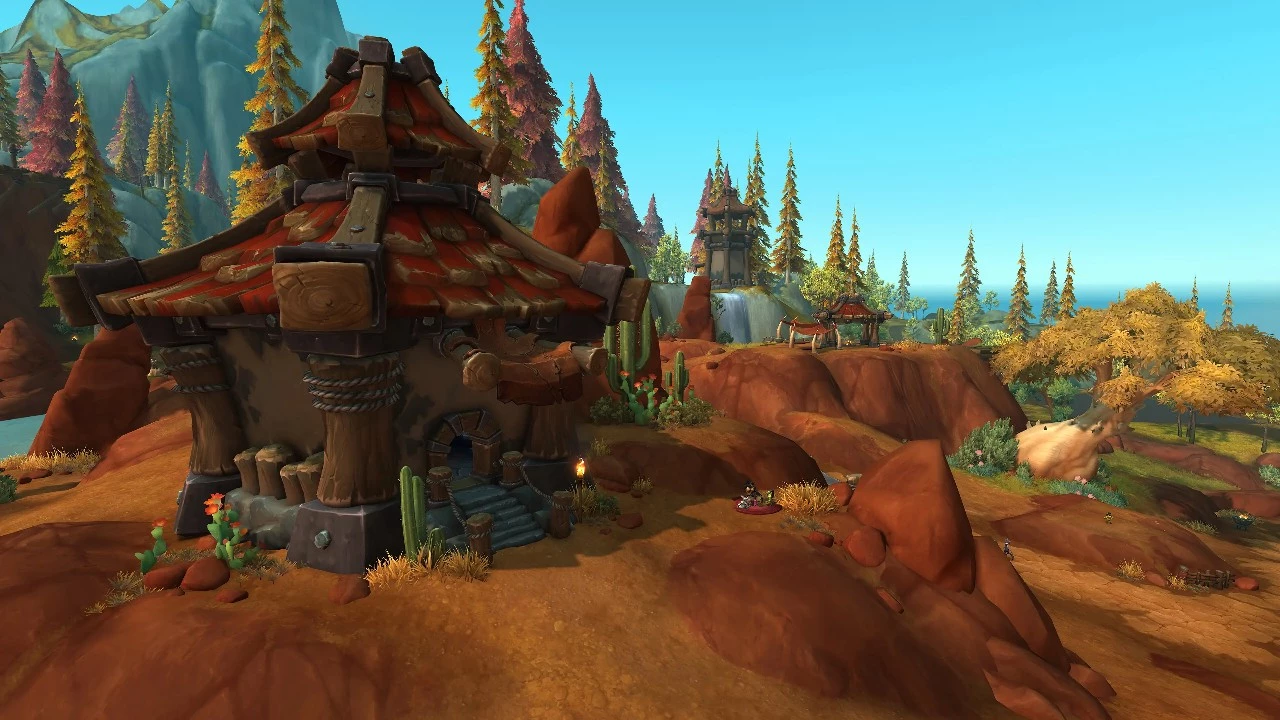
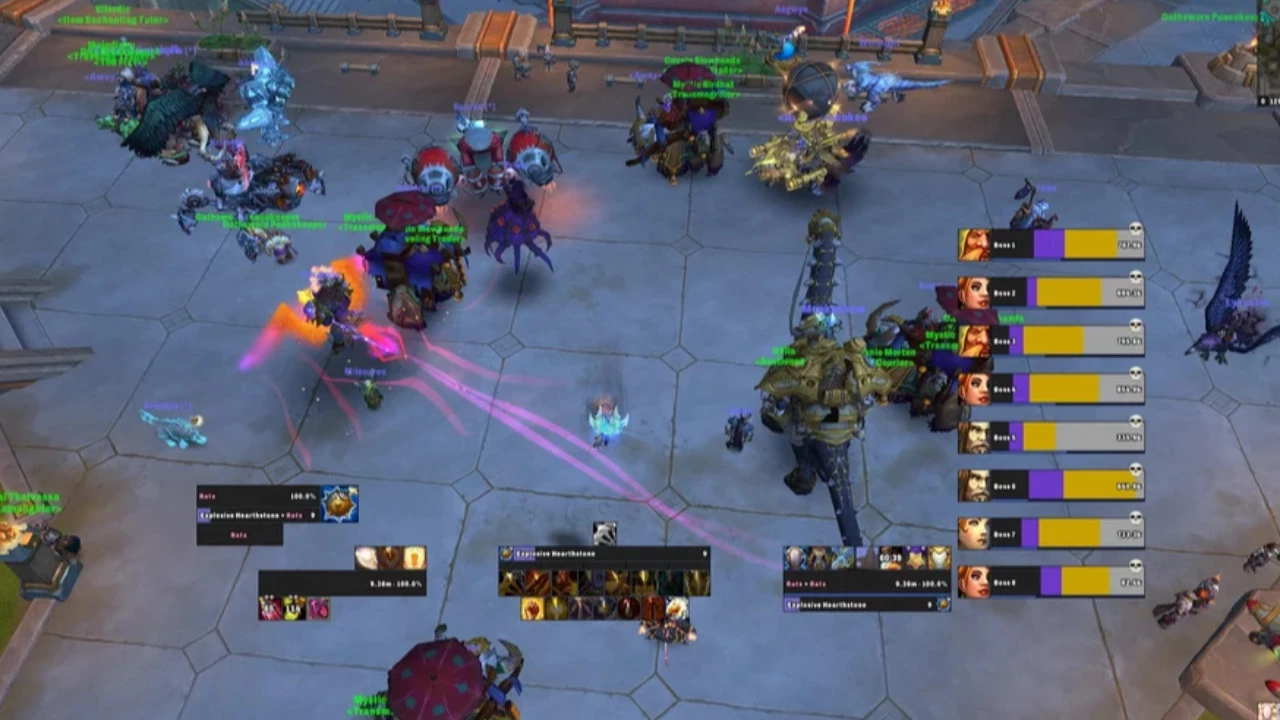
The statement reflects Blizzard’s multi-pronged approach to the franchise. Today’s WoW ecosystem includes the retail version with its latest expansion, WoW Classic servers that recreate earlier eras of the game, and various seasonal offerings that provide fresh experiences for returning players. This diversification strategy acknowledges that different players have different expectations from their MMO experience, whether they prefer modern conveniences or nostalgic gameplay systems.
Historical Context and the Evolution of Azeroth
World of Warcraft launched in November 2004 and quickly became a cultural phenomenon, reaching over 12 million subscribers at its peak during the Wrath of the Lich King expansion in 2010. The game essentially defined the modern MMORPG genre and introduced millions of players to online gaming for the first time. However, the journey from that initial success to today’s market has been anything but smooth. The game has experienced multiple periods of subscriber decline, controversial expansions, and intense competition from newer titles.
The introduction of WoW Classic in 2019 marked a turning point in Blizzard’s philosophy. Initially, company leadership had famously dismissed requests for legacy servers with the phrase “you think you do, but you don’t.” The overwhelming success of Classic proved that demand for older versions of the game was genuine and substantial. This acknowledgment of past mistakes and willingness to provide players with choices has contributed to the current positive sentiment surrounding the franchise.
Competing in Today’s Gaming Landscape
The MMORPG market in 2024 looks dramatically different from when World of Warcraft first dominated the space. Competition has emerged from numerous directions, including Final Fantasy XIV, which has grown to become a legitimate rival, and various free-to-play titles that have attracted casual audiences. Additionally, the rise of live-service games, battle royales, and other gaming formats has fundamentally changed how players allocate their entertainment time. In this environment, WoW’s ability to maintain relevance speaks to the underlying strength of its core gameplay and world-building.
Industry analysts note that Blizzard’s recent focus on player feedback and faster content delivery has helped restore faith in the development team. The Dragonflight expansion received notably positive reviews compared to its immediate predecessors, and the upcoming The War Within expansion has generated significant anticipation. These improvements suggest that the company has learned from past missteps and is committed to delivering quality experiences that respect players’ time and investment.
Looking Toward the Future
As World of Warcraft approaches its third decade, the franchise faces both opportunities and challenges. The gaming industry continues to evolve rapidly, with new technologies like cloud gaming and potential integration of AI-driven content creation on the horizon. How Blizzard adapts to these changes while maintaining the core identity that has made WoW beloved will determine whether the leadership’s confident claims hold true in the years to come. For now, millions of players continue to explore Azeroth, suggesting that despite all the changes in gaming, there remains a substantial audience for epic fantasy adventures in a persistent online world.
Expert Opinion: The current multi-version strategy employed by Blizzard represents a mature understanding of modern gaming demographics. By offering Classic, retail, and seasonal experiences simultaneously, WoW has effectively become a platform rather than a single game, maximizing its appeal across generational player preferences. This approach may well serve as a template for other aging MMORPGs seeking longevity in an increasingly competitive market.