




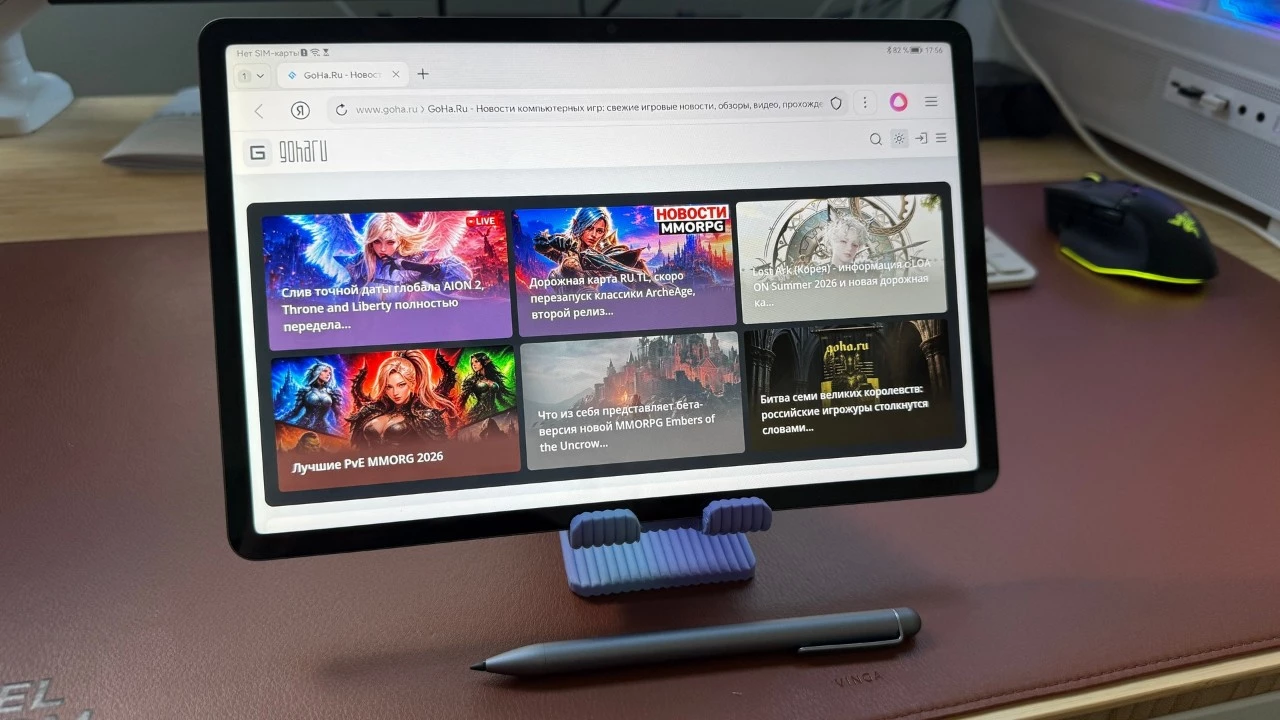
In the competitive world of budget tablets, finding a device that doesn’t sacrifice essential features for a lower price point has always been challenging. Huawei has consistently aimed to bridge this gap, and with the MatePad SE 11 (2026), the Chinese technology giant appears to have struck an impressive balance. Featuring a premium metal construction, generous 128GB storage capacity, M-Pen stylus support, and exceptional battery life, this refreshed entry-level tablet maintains what made its predecessors popular while addressing previous shortcomings. The device represents Huawei’s continued commitment to providing accessible technology without the usual budget-tier compromises.
Design and Build Quality That Defies Its Price Tag
The MatePad SE 11 (2026) immediately impresses with its aluminum unibody construction, a feature typically reserved for more expensive tablets. The metal chassis not only provides a premium feel in hand but also offers improved durability compared to plastic alternatives commonly found in this price segment. Weighing in at approximately 475 grams, the tablet strikes a comfortable balance between portability and sturdiness, making it suitable for extended use whether you’re commuting, studying, or relaxing at home. The bezels surrounding the 11-inch display have been optimized to maximize screen real estate while maintaining enough grip area to hold the device comfortably.
Huawei’s design philosophy with this tablet clearly prioritizes practicality alongside aesthetics. The device measures just 7.15mm in thickness, allowing it to slip easily into bags and backpacks. Available in subtle color options including Graphite Black and Starry Blue, the MatePad SE 11 appeals to both professional users and younger audiences seeking a stylish yet functional device. The button placement and speaker positioning have been thoughtfully arranged to prevent accidental presses during media consumption, a small but appreciated detail that demonstrates Huawei’s attention to user experience.
Display and Performance: Meeting Daily Demands
At the heart of the viewing experience lies an 11-inch IPS LCD panel with a resolution that delivers sharp text and vibrant visuals for everyday tasks. The display supports a standard refresh rate optimized for battery efficiency while still providing smooth scrolling through documents and social media feeds. Color accuracy has been tuned for natural reproduction, making it equally suitable for watching movies, browsing photos, or reviewing documents. Huawei has also implemented their eye comfort mode with TÜV Rheinland certification, reducing blue light emission during extended reading sessions—a feature increasingly important as screen time continues to rise globally.
Under the hood, the MatePad SE 11 (2026) is powered by an efficient processor paired with adequate RAM to handle multitasking scenarios typical of tablet usage. While it won’t compete with flagship devices in benchmark tests, the chipset delivers reliable performance for web browsing, document editing, video streaming, and casual gaming. The 128GB internal storage addresses one of the most common complaints about budget tablets—limited space—and can be expanded via microSD card for users with larger media libraries. This configuration positions the tablet perfectly for students, remote workers, and families seeking a shared entertainment device.
M-Pen Support and Productivity Features
Perhaps one of the most significant additions to this generation is the support for Huawei’s M-Pen stylus, opening up creative and productivity possibilities previously unavailable at this price point. The stylus integration allows for natural handwriting, note-taking, and basic illustration work, making the tablet considerably more versatile. Educational users particularly benefit from this feature, as it enables annotating PDFs, solving mathematical problems by hand, and creating mind maps directly on the screen. While the stylus is sold separately, its compatibility represents genuine added value for users willing to invest in the accessory.
The tablet runs HarmonyOS, Huawei’s proprietary operating system that has matured significantly since its introduction. The interface offers intuitive navigation, efficient resource management, and seamless integration with other Huawei ecosystem devices. Multi-window functionality allows users to run applications side by side, enhancing productivity for tasks like referencing documents while composing emails. The AppGallery continues to expand its offerings, though users should research app availability for their specific needs, as some popular applications may require alternative sources or workarounds due to ongoing software ecosystem challenges Huawei faces in certain markets.
Battery Life and Everyday Reliability
The MatePad SE 11 (2026) houses a substantial battery that Huawei claims can deliver up to 14 hours of video playback on a single charge. Real-world usage patterns involving mixed activities typically yield full-day battery life with moderate use, eliminating the need for constant charging that plagues many budget devices. The included charger supports relatively fast charging speeds, allowing users to quickly top up the battery during breaks. This combination of capacity and efficiency makes the tablet particularly suitable for travelers, students attending long lecture days, or anyone who needs reliable performance away from power outlets.
Connectivity options include WiFi 6 support for faster wireless speeds on compatible networks, Bluetooth 5.1 for accessory connections, and a USB-C port for charging and data transfer. The tablet also features dual speakers that produce surprisingly full sound for a device in this category, enhancing the entertainment experience without requiring external speakers for casual viewing. A 5-megapixel front camera handles video calls adequately, while the rear camera serves basic documentation purposes—both meeting the practical needs of the target audience without unnecessary hardware inflation.
Expert Opinion: The Huawei MatePad SE 11 (2026) represents a strategic move in the increasingly competitive budget tablet market, directly challenging offerings from Samsung and Lenovo. By incorporating premium materials and stylus support at this price point, Huawei is effectively reshaping consumer expectations for entry-level devices. As remote work and digital education continue to evolve, tablets offering this balance of affordability and capability are positioned to capture significant market share, particularly in emerging markets where value proposition remains the primary purchasing driver.