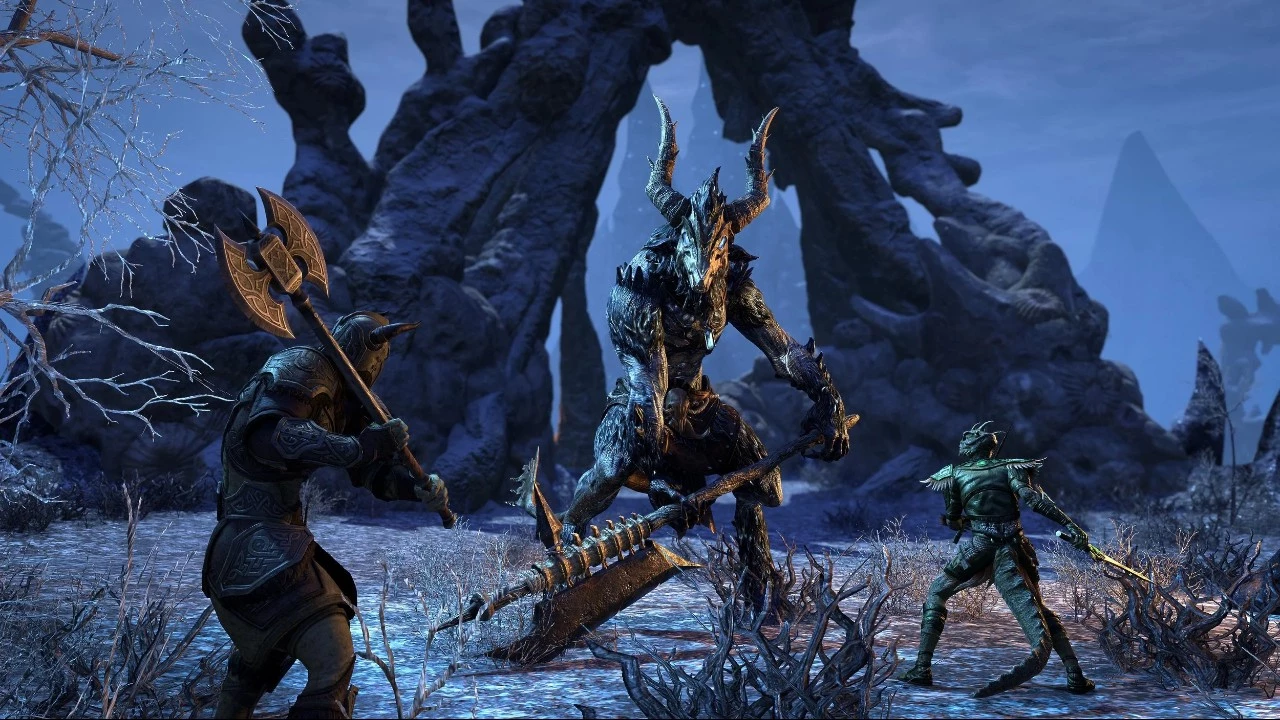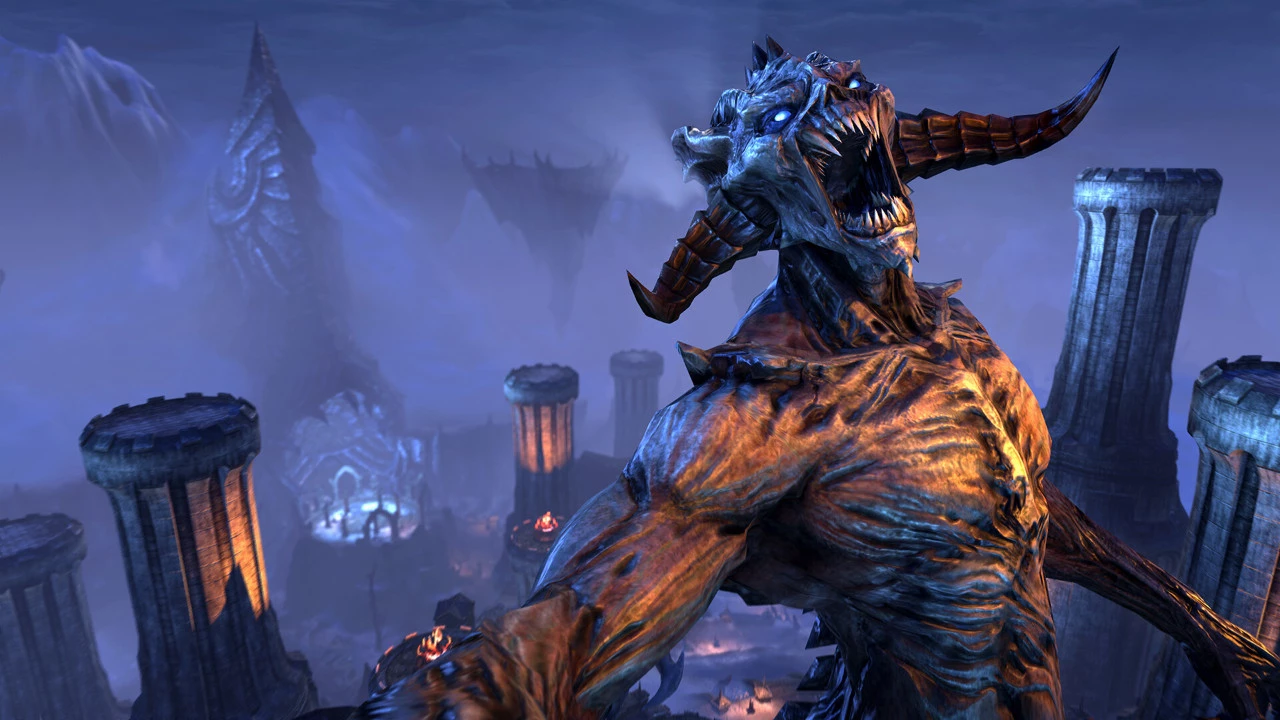





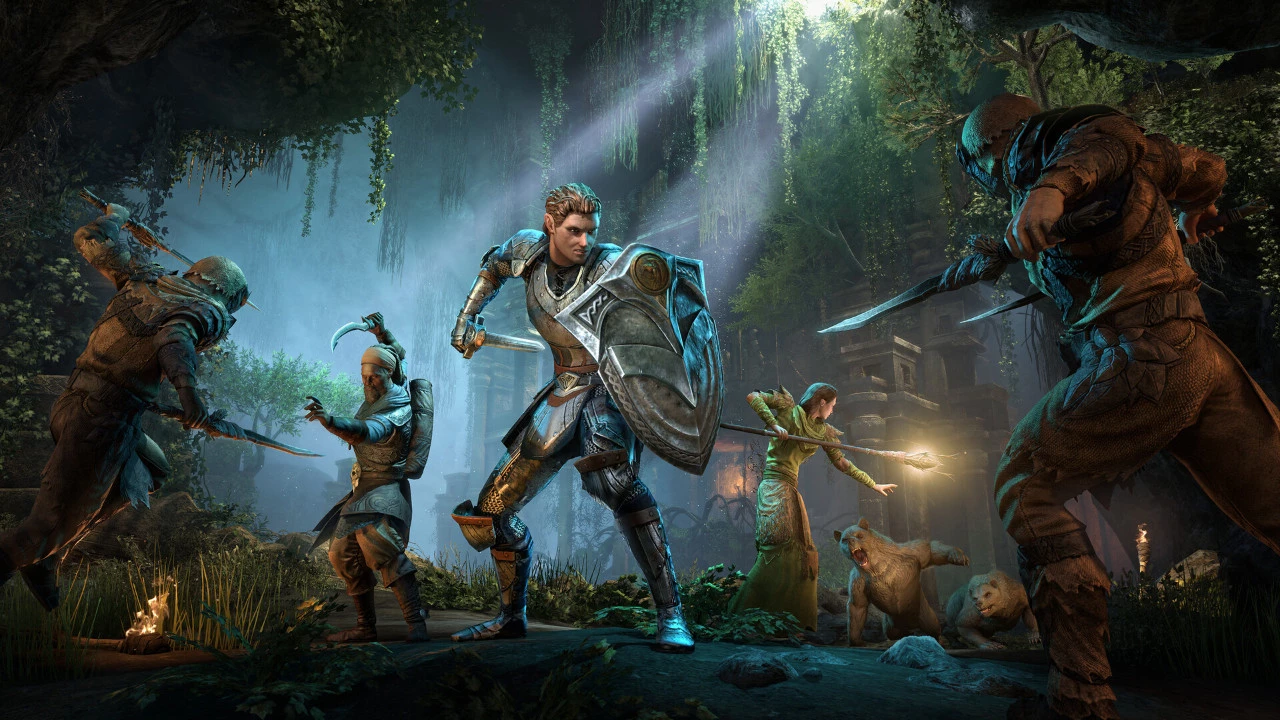
The gaming community is buzzing with apprehension following significant workforce reductions at ZeniMax Online Studios, the development team behind the beloved massively multiplayer online role-playing game The Elder Scrolls Online. The layoffs have sparked widespread speculation about the long-term viability of the game that has captivated millions of players since its launch over a decade ago. As dedicated fans express their concerns across social media platforms and gaming forums, questions about the future direction and continued support for ESO have become increasingly prominent in online discussions.
The Scope of the Layoffs and Their Immediate Impact
The recent wave of layoffs at ZeniMax Online Studios represents part of a broader trend affecting the gaming industry throughout 2024 and into 2025. While the exact number of affected employees has not been officially disclosed, reports suggest that the cuts have impacted multiple departments within the studio, including developers, designers, and support staff who have been instrumental in maintaining and expanding ESO’s vast virtual world of Tamriel. These reductions come at a particularly sensitive time for the game, which has relied on consistent content updates and community engagement to maintain its player base in an increasingly competitive MMO market.
The Elder Scrolls Online launched in April 2014 and has since grown into one of the most successful subscription-free MMORPGs on the market. The game has released numerous expansions, including major chapters such as Morrowind, Summerset, Elsweyr, Greymoor, Blackwood, High Isle, Necrom, and most recently Gold Road. Each expansion has added new regions, storylines, and gameplay mechanics, keeping the experience fresh for both veteran players and newcomers. The consistent delivery of quality content has been a hallmark of ZeniMax Online Studios, making the current layoffs particularly alarming for those who have invested years into the game.
Community Reactions and Industry Analysis
The fan community has responded to the news with a mixture of disappointment, anger, and genuine concern for both the affected employees and the future of their favorite game. Long-time players have taken to platforms like Reddit, Discord, and the official ESO forums to share their thoughts, with many expressing fears that reduced staffing could lead to less frequent updates, diminished content quality, or even the eventual sunset of the game. Some players have pointed to similar situations in other MMOs where major layoffs preceded significant changes in development direction or service reduction.
Industry analysts have noted that the gaming sector has faced unprecedented challenges in recent years, with numerous studios experiencing layoffs despite the overall growth of the video game market. The shift in economic conditions, rising development costs, and changing player expectations have forced many companies to reevaluate their workforce requirements. However, critics argue that these corporate decisions often prioritize short-term financial metrics over the long-term health of both games and the talented professionals who create them. Microsoft’s acquisition of ZeniMax Media, Bethesda’s parent company, in 2021 has also led some observers to speculate about how corporate restructuring might be influencing decisions at individual studios.
Historical Context and The MMO Landscape
The concerns surrounding ESO’s future must be understood within the broader context of the MMORPG genre’s evolution. The market has seen numerous once-thriving games struggle or shut down entirely when development support waned. Titles like WildStar, Asheron’s Call, and countless others serve as cautionary tales for dedicated player communities. However, it’s worth noting that ESO has demonstrated remarkable resilience over its lifetime, successfully pivoting from a subscription-based model to a buy-to-play format with optional subscriptions, which significantly expanded its player base and revenue streams.
ZeniMax Online Studios and Bethesda have not yet issued comprehensive statements addressing the community’s concerns about the game’s future development roadmap. Players are eagerly awaiting official communication that might clarify how the studio plans to maintain its commitment to regular content updates and ongoing support for the game’s extensive systems and features. The upcoming months will likely prove critical in determining whether these fears are justified or if ESO can weather this storm and continue to thrive as a flagship title in the Elder Scrolls franchise.
Expert Opinion: The layoffs at ZeniMax Online Studios reflect a troubling industry-wide pattern where successful live-service games face staffing cuts despite generating substantial revenue. While ESO has proven remarkably adaptable throughout its decade-long lifespan, reduced development capacity inevitably affects content pipeline and quality over time. Players should monitor the studio’s communication and upcoming content releases closely, as the next six to twelve months will be decisive in revealing whether ESO can maintain its position as a premier MMORPG or will begin a gradual decline similar to other titles that faced comparable circumstances.