



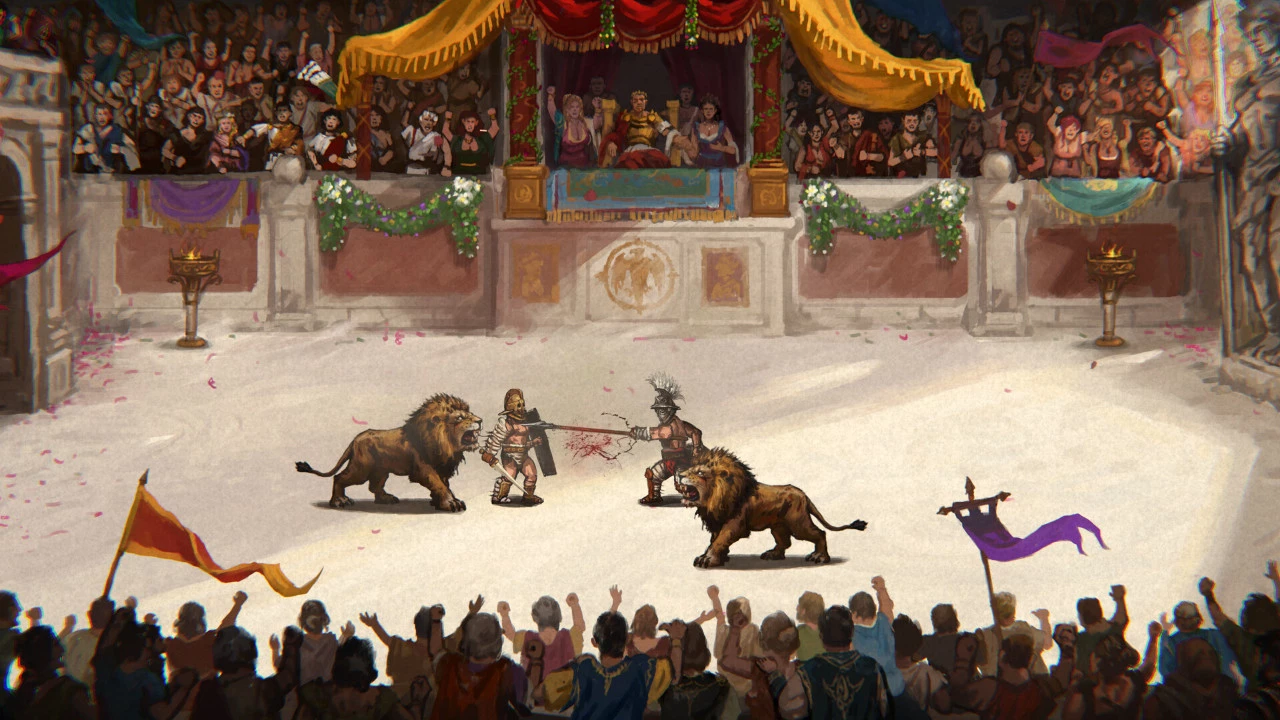
The gaming community is buzzing with anticipation as the demo version of Dominus Gladiatus is set to release on August 18, offering players the unique opportunity to step into the sandals of a ludus manager in the brutal world of ancient Roman gladiatorial combat. This upcoming simulator promises to deliver an authentic experience of running a modest gladiator school, where life and death hang in the balance with every decision players make.
The game places players in the role of a dominus, the owner and master of a gladiatorial training facility known as a ludus. In ancient Rome, these institutions were essential components of the entertainment industry, producing the warriors who would fight and die for the amusement of the masses in grand amphitheaters across the empire. The dominus held absolute power over the gladiators under their command, responsible for their training, equipment, housing, and ultimately their fate in the arena.
Historical Context and Authenticity
Gladiatorial combat was one of the most significant cultural phenomena of ancient Rome, spanning nearly seven centuries from the third century BCE until its official prohibition in 404 CE. The ludus system that Dominus Gladiatus seeks to recreate was a sophisticated business operation that combined elements of military training, sports management, and entertainment production. Famous gladiator schools like the Ludus Magnus in Rome, which was connected to the Colosseum by an underground tunnel, could house hundreds of fighters and support staff. Historical records indicate that successful gladiator school owners could amass considerable wealth and political influence through their enterprises.
The management simulation genre has seen numerous attempts to capture various historical periods, but gladiatorial combat has remained relatively underexplored in gaming. Previous titles like Gladius and Shadow of Rome touched upon gladiatorial themes but focused primarily on direct combat rather than the business and management aspects of running a ludus. Dominus Gladiatus appears to fill this niche by emphasizing the strategic and economic elements of gladiator school ownership.
Gameplay Features and Expectations
While specific details about the full game remain limited, the demo is expected to showcase the core mechanics that will define the Dominus Gladiatus experience. Players will likely need to recruit promising fighters, oversee their training in various combat disciplines, manage resources and finances, and make critical decisions about which gladiators to send into the arena. The harsh realities of ancient gladiatorial life meant that owners had to balance the desire for victory and prestige against the very real possibility of losing valuable fighters to death or career-ending injuries.
The timing of this demo release coincides with a growing interest in ancient Roman settings within the gaming industry. Recent years have seen successful titles like Expeditions: Rome and Total War: Rome Remastered capture player attention, suggesting a healthy appetite for historically-inspired gaming experiences. Management simulators in particular have enjoyed a renaissance, with games spanning everything from theme park operations to medieval dynasty building finding dedicated audiences.
What the Demo Promises
The demo for Dominus Gladiatus will allow players to begin their journey with a humble gladiator school, facing the challenges of building reputation and success in the cutthroat world of Roman entertainment. Starting small reflects the historical reality that many ludus owners began with modest operations before potentially growing into major power brokers. This approach should provide an accessible entry point for players unfamiliar with the genre while offering depth for strategy enthusiasts seeking a challenging experience. The demo release will give developers valuable feedback from the community as they continue development toward the full release, which gaming enthusiasts are eagerly anticipating.
Expert Opinion: The niche combination of historical Roman setting with management simulation mechanics positions Dominus Gladiatus to capture an underserved market segment. If the developers successfully balance historical authenticity with engaging gameplay loops, this title could establish itself as a cornerstone of the ancient history simulation genre and potentially spawn interest in similar historically-grounded management games.