

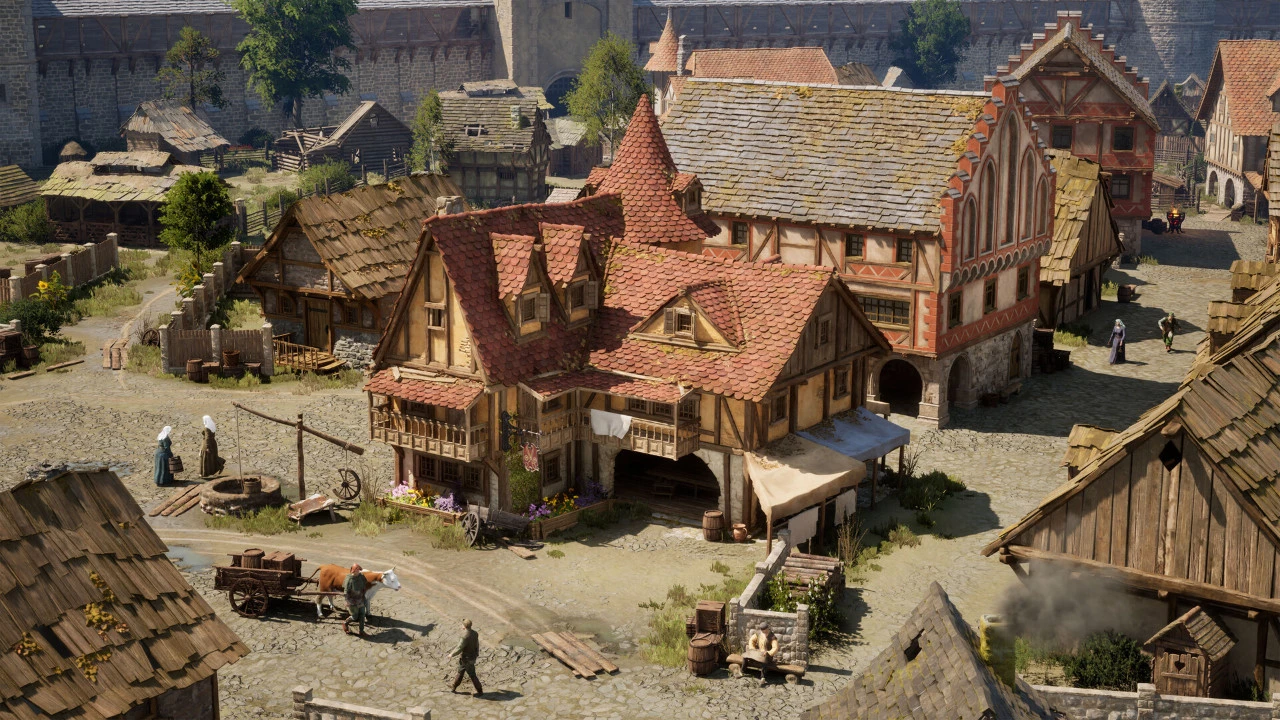
In a surprising announcement that caught many fans off guard, publisher THQ Nordic and developer Ashborne Games have revealed a significant rebranding of their upcoming medieval strategy title. What was previously known simply as The Guild – Europa 1410 will now be called The Guild 1 Remake: Europa 1410, officially positioning the game as a faithful recreation of the beloved original rather than an entirely new entry in the franchise. This unexpected pivot has sparked considerable discussion within the gaming community about the nature of remakes, reboots, and how publishers market their titles to maximize appeal.
The announcement represents a strategic shift in how the game is being positioned to potential buyers. By explicitly labeling the project as a remake of the first Guild game, THQ Nordic appears to be targeting the nostalgia of longtime fans who have fond memories of the original 2002 release. This marketing approach has become increasingly common in the gaming industry, as publishers recognize the powerful draw of established intellectual properties with dedicated fanbases.
The Legacy of The Guild Franchise
The Guild series holds a special place in the hearts of strategy game enthusiasts. The original game, released in 2002, offered a unique blend of economic simulation, role-playing elements, and dynasty management set against the backdrop of late medieval Europe. Players could build trading empires, engage in political intrigue, and establish family dynasties that would span generations. The game’s ambitious scope and detailed simulation of medieval life earned it a cult following that persists to this day.
The franchise continued with The Guild 2 in 2006, which expanded upon the original’s concepts while introducing improved graphics and gameplay mechanics. Several expansions and standalone additions followed, including Renaissance and Pirates of the European Seas. However, the series stumbled significantly with The Guild 3, which launched in 2017 to mixed reviews and was criticized for technical issues and unfulfilled potential. This troubled history makes the decision to return to the franchise’s roots with a remake of the first game particularly meaningful for dedicated fans.
The Growing Trend of Video Game Remakes
The rebranding of this project reflects a broader industry trend toward remakes and remasters of classic titles. In recent years, games like Resident Evil 2, Final Fantasy VII Remake, and System Shock have demonstrated that faithful recreations of beloved classics can achieve both critical acclaim and commercial success. This approach allows publishers to leverage existing brand recognition while delivering modern production values that appeal to contemporary audiences. For THQ Nordic, which has built much of its business model around acquiring and revitalizing dormant gaming franchises, this strategy aligns perfectly with their corporate philosophy.
Industry analysts suggest that the timing of this rebranding may be deliberate, as it allows the publisher to differentiate the product more clearly in a crowded market. By establishing clear expectations that this is a remake rather than a sequel or spinoff, potential buyers can better understand what they are purchasing. This transparency could help avoid the disappointment that sometimes accompanies games that fail to meet audience expectations based on unclear marketing.
What Players Can Expect
While specific details about the gameplay changes and improvements remain limited, the remake designation suggests that Ashborne Games is focusing on preserving the core experience that made the original Guild so memorable while updating it for modern systems. This typically includes enhanced graphics, improved user interfaces, quality-of-life improvements, and potentially expanded content. The Europa 1410 subtitle indicates that the game will maintain its focus on the early 15th century setting, a period of significant economic and political transformation in European history.
For fans who have been waiting decades for a worthy successor to the original Guild experience, this announcement offers renewed hope. The explicit acknowledgment that this project is a remake rather than something entirely new suggests a commitment to honoring the source material while bringing it to a new generation of players. Whether this approach will successfully revitalize the franchise remains to be seen, but the strategic repositioning demonstrates that THQ Nordic is listening carefully to its audience and adjusting accordingly.
Expert Opinion: This rebranding decision signals THQ Nordic’s recognition that The Guild franchise’s most valuable asset is its original vision rather than its subsequent iterations. By returning to the series’ roots with a faithful remake, the publisher is effectively pressing the reset button on a franchise that lost its way with The Guild 3. If executed properly, this remake could serve as a foundation for rebuilding the series’ reputation and potentially pave the way for a truly next-generation sequel.