





This past weekend, the ESO Tavern event took place in Germany, bringing together passionate fans and developers of The Elder Scrolls Online. While the gathering was overshadowed by recent workforce reductions at ZeniMax Online Studios, the development team maintained a cautiously optimistic tone when discussing the future of the beloved massively multiplayer online role-playing game. The event provided a rare opportunity for direct dialogue between creators and the community during what has been a challenging period for the studio.
The layoffs, which affected a significant portion of the development team earlier this year, sent shockwaves through the gaming community. ZeniMax Online Studios, a subsidiary of Microsoft following the tech giant’s acquisition of Bethesda’s parent company ZeniMax Media in 2021, has been navigating the same turbulent waters that have impacted the broader gaming industry. Throughout 2023 and 2024, major publishers and studios worldwide have announced substantial workforce reductions, with thousands of talented developers losing their positions amid economic uncertainties and shifting market conditions.
Community Concerns and Developer Responses
During the ESO Tavern event, developers directly addressed fan concerns about how the reduced team size might affect ongoing content development and the overall quality of future updates. The Elder Scrolls Online has maintained a consistent content schedule since its launch in 2014, releasing annual chapter expansions alongside quarterly downloadable content updates. This steady stream of new adventures has been crucial to keeping the player base engaged and the game financially viable in an increasingly competitive MMO market.
The development team acknowledged the difficulties posed by having fewer hands on deck but emphasized their commitment to delivering meaningful content. They pointed to the dedicated community and the game’s strong foundation as reasons for continued confidence. The Elder Scrolls Online has evolved significantly since its rocky launch a decade ago, transforming from a subscription-based model to a buy-to-play format that has proven more sustainable and accessible to new players.
A Decade of Growth and Adaptation
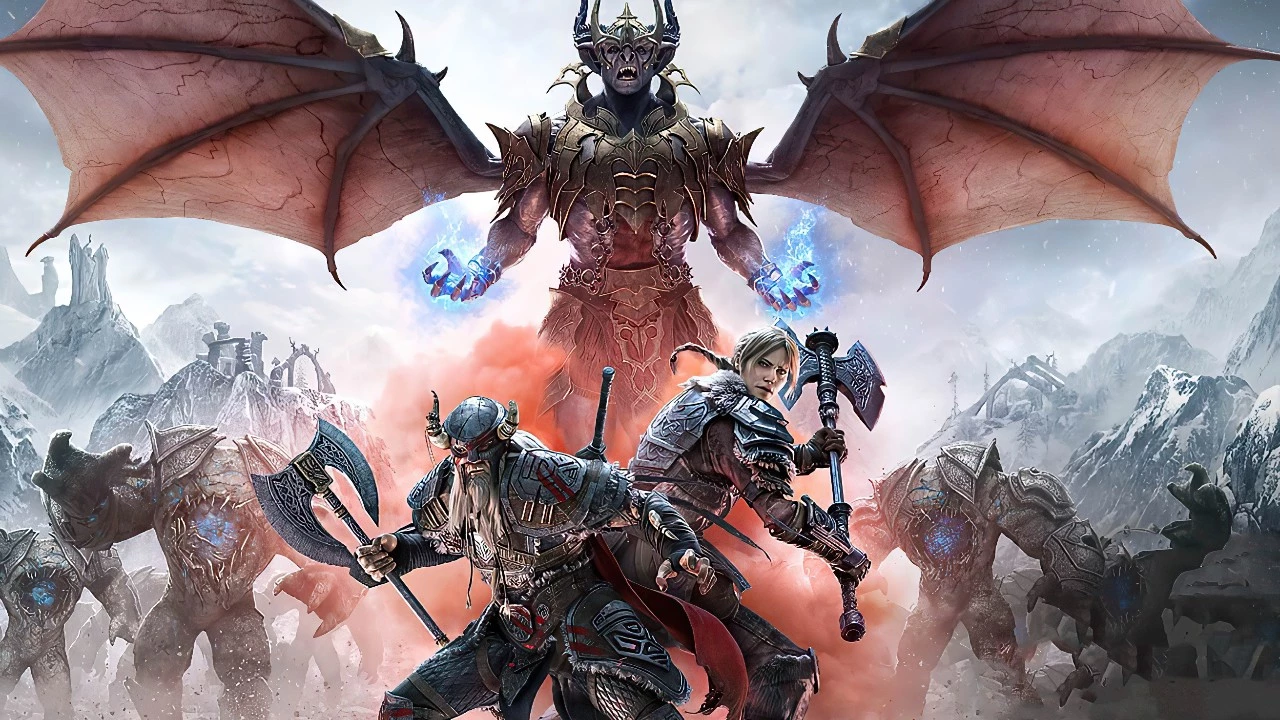
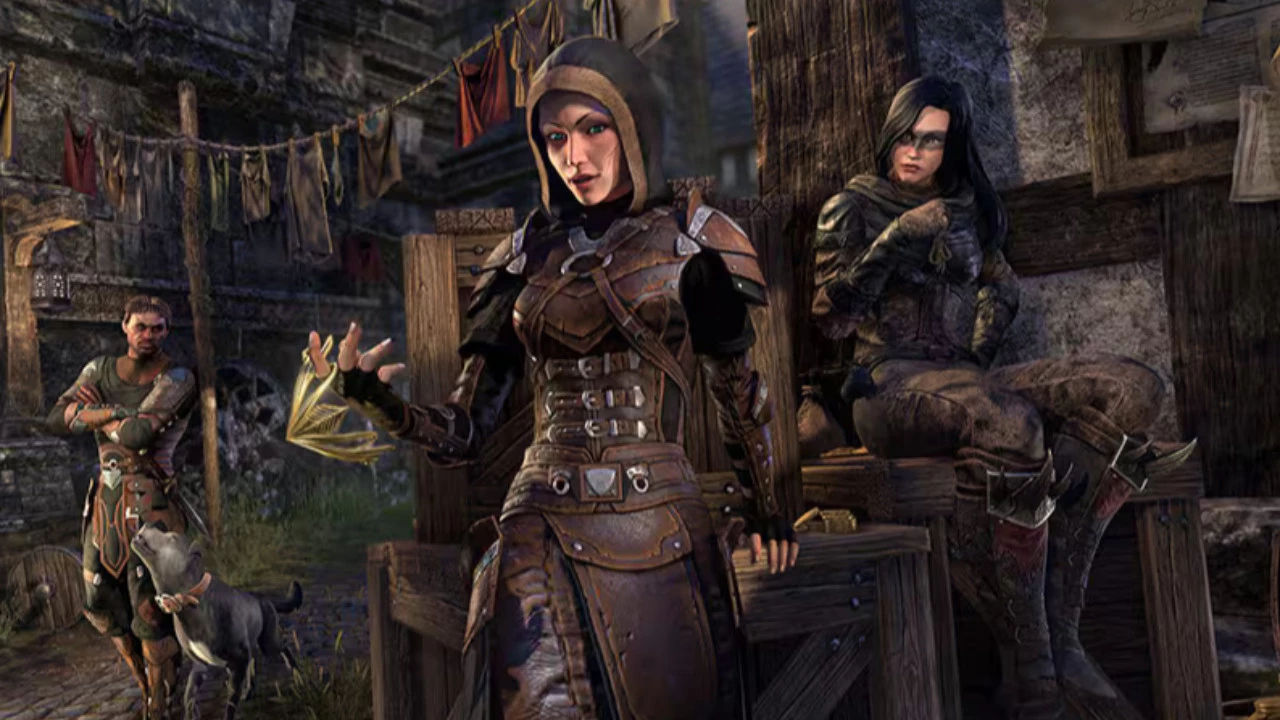
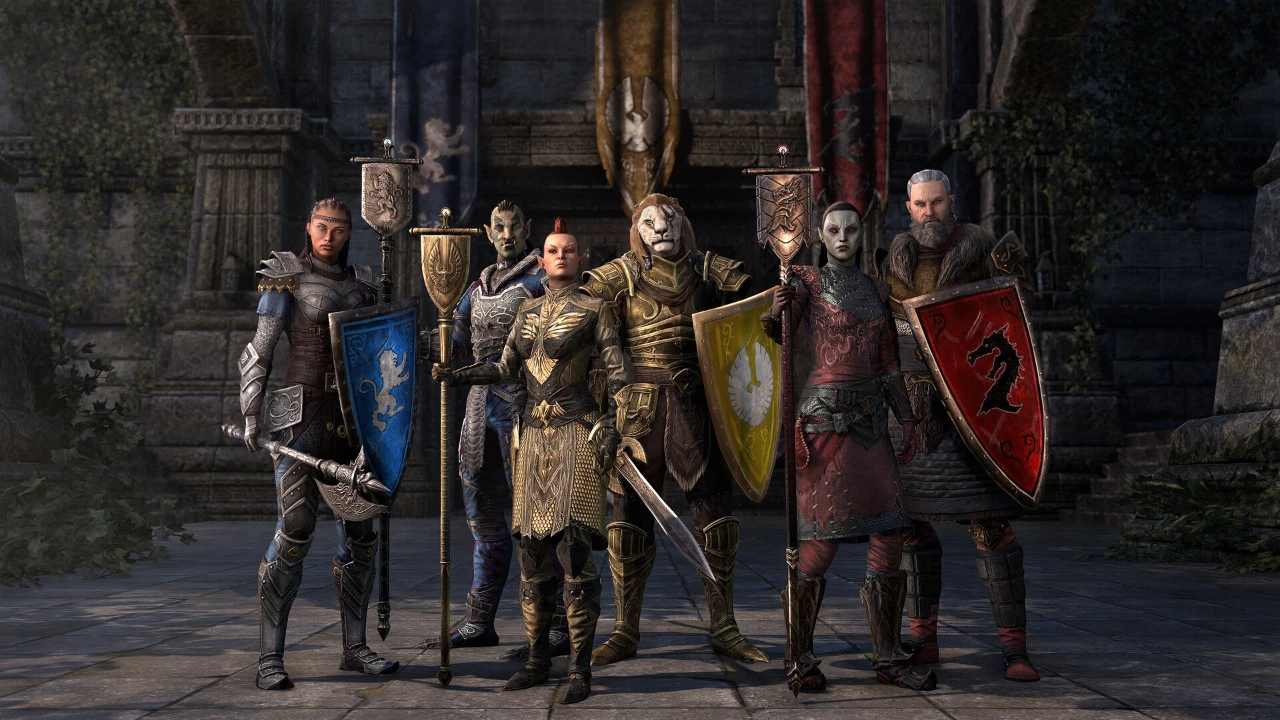
The Elder Scrolls Online represents one of the most successful adaptations of a beloved single-player franchise into the MMO space. Set approximately 1,000 years before the events of Skyrim, the game allows players to explore nearly every corner of Tamriel, from the ashlands of Morrowind to the jungles of Elsweyr. Over its ten-year lifespan, the game has accumulated an impressive catalog of content, including major expansions that have taken players to iconic locations from the mainline Elder Scrolls series.
Industry analysts note that live-service games like The Elder Scrolls Online face unique challenges during periods of studio restructuring. Unlike single-player titles that can be delayed or scaled back, MMOs require constant maintenance, server support, and regular content updates to retain their player communities. The loss of experienced developers can create knowledge gaps that take months or even years to fill, potentially affecting everything from bug fixes to the implementation of new features.
Looking Toward the Future
Despite the challenges, the developers at the ESO Tavern event shared glimpses of upcoming content and reassured fans that the game’s roadmap remains largely intact. The team emphasized that player feedback continues to drive development priorities and that the community’s support during difficult times has been invaluable. With The Elder Scrolls VI still years away from release, ESO remains the primary way for fans to experience new adventures in the Elder Scrolls universe, making its continued success important not just for ZeniMax Online Studios but for the franchise as a whole.
The broader context of gaming industry layoffs has prompted discussions about sustainability and work practices in game development. Many industry veterans have called for more stable employment models and better planning to avoid the boom-and-bust cycles that have become increasingly common. For The Elder Scrolls Online and its community, the coming months will be crucial in determining whether the optimism expressed at the ESO Tavern translates into continued quality content and a thriving game world.
Expert Opinion: The ESO development team’s transparent communication during this turbulent period demonstrates a mature approach to community management that could serve as a model for other studios facing similar challenges. However, the true test will come with the next major content releases, where players will be able to judge whether the reduced workforce has impacted the quality and scope of new additions. Given ESO’s established content pipeline and dedicated fanbase, the game is well-positioned to weather this storm, though Microsoft’s broader strategy for its gaming division will ultimately determine the studio’s long-term trajectory.