



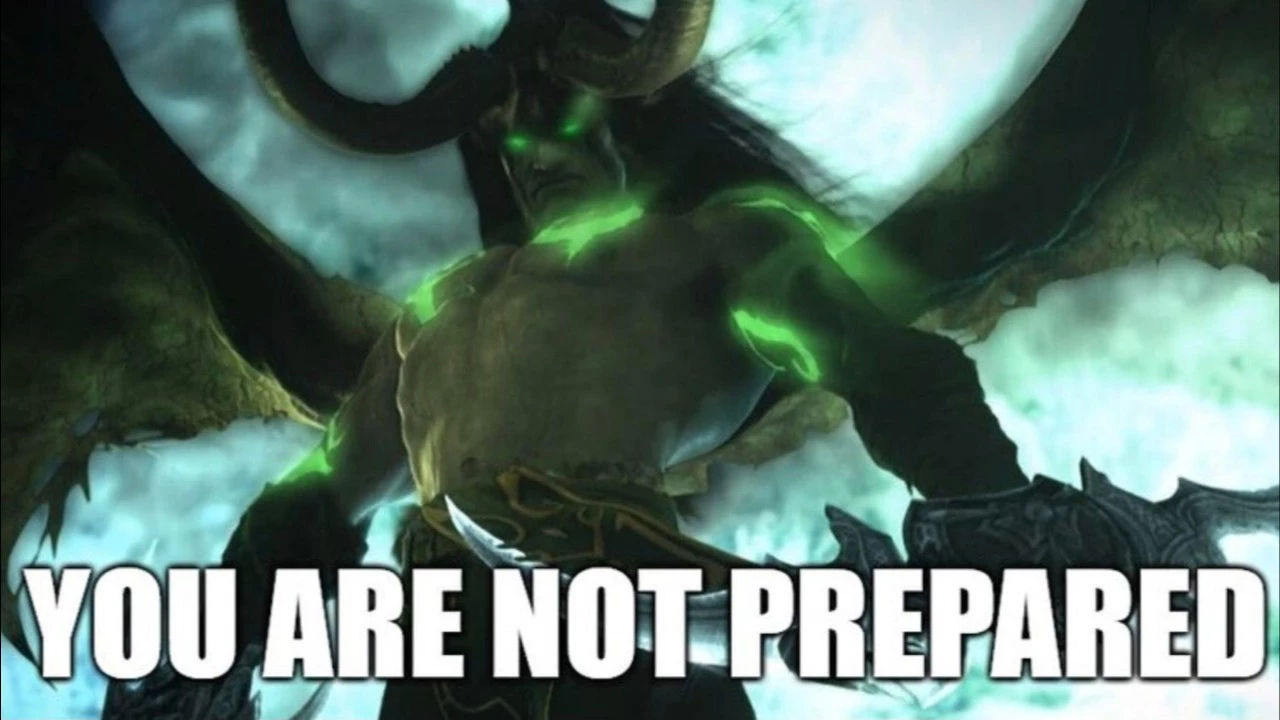
The World of Warcraft community has been engulfed in heated debate following recent story revelations about the origins of the Harronir, elves, and trolls. These interconnected races have long been central to Azeroth’s mythology, and new lore developments have sparked passionate discussions among players who have invested years in understanding the game’s rich narrative tapestry. In response to the mounting questions and speculation, Senior Quest Designer Keith Reilly stepped forward to address the community’s concerns, though his response has done little to settle the debate definitively.
Reilly’s clarification, while attempting to explain Blizzard’s official stance on the matter, ultimately confirmed what many fans suspected: the developers are intentionally keeping certain mysteries unresolved. This approach, while frustrating to some lore enthusiasts, aligns with Blizzard’s long-standing tradition of leaving narrative threads open for future exploration. The company has historically used ambiguity as a storytelling tool, allowing the world of Azeroth to feel alive and full of undiscovered secrets.
The Origin Controversy Explained
At the heart of the controversy lies the revelation connecting the Harronir—a relatively new race introduced in recent expansions—to the ancient lineages of elves and trolls. For nearly two decades, World of Warcraft lore established that trolls were among Azeroth’s oldest mortal races, with night elves evolving from dark trolls who settled near the Well of Eternity. This origin story became foundational to understanding the game’s racial dynamics and historical conflicts. The introduction of the Harronir and their apparent connection to these established races has prompted players to reconsider everything they thought they knew about Azerothian prehistory.
The debate has been particularly intense on community forums, Reddit, and social media platforms where lore scholars have spent countless hours analyzing quest text, item descriptions, and developer interviews. Some players argue that the new information contradicts established canon, while others suggest it merely adds another layer to an already complex mythology. The passion behind these discussions reflects the deep investment World of Warcraft’s player base has in the game’s narrative—a testament to nearly twenty years of world-building that began with the original Warcraft: Orcs & Humans in 1994.
Blizzard’s Philosophy of Mystery
Keith Reilly’s response highlighted an important aspect of Blizzard’s narrative design philosophy: not every question needs an immediate answer. This approach has precedent throughout the franchise’s history. Mysteries like the true nature of the Old Gods, the origins of the Titans, and the fate of various legendary characters have often remained unresolved for years before being addressed in subsequent expansions. This strategy keeps players engaged and speculating, creating a sense of ongoing discovery that has helped maintain World of Warcraft’s relevance in an increasingly competitive gaming landscape.
However, this philosophy is not without its critics. Some veteran players argue that Blizzard has retconned established lore too frequently, creating confusion rather than intrigue. The company has acknowledged past storytelling missteps and has reportedly made efforts to maintain greater consistency in recent years. The Chronicles book series, released starting in 2016, was specifically designed to establish a definitive timeline and mythology, though even these publications have seen minor adjustments as the game’s narrative evolves.
Community Reaction and Future Implications
The community’s reaction to Reilly’s statement has been mixed. Some players appreciate the transparency and the acknowledgment that their questions are being heard, even if answers aren’t immediately forthcoming. Others express frustration at what they perceive as deliberately vague storytelling that prioritizes mystery over coherence. This tension between narrative ambiguity and player satisfaction is a challenge faced by all long-running franchises, particularly in games-as-service models where stories must continuously evolve to justify new content.
Looking ahead, the Harronir origin mystery likely represents just one of many story threads that will be gradually revealed as World of Warcraft continues its expansion cycle. With the franchise celebrating its twentieth anniversary and showing no signs of slowing down, Blizzard has both the time and the platform to eventually address these lingering questions. For now, players are left to theorize, debate, and immerse themselves in the speculation—which, for many, is part of what makes World of Warcraft’s world feel genuinely alive and worth exploring.
Expert Opinion: Blizzard’s deliberate maintenance of lore mysteries represents a calculated narrative strategy that, while occasionally frustrating players, has proven effective at sustaining long-term engagement. The Harronir origin controversy will likely serve as a foundation for future expansion content, with Blizzard gradually revealing answers across multiple updates to maximize player retention and story impact. This approach, though risky in an era of instant information gratification, continues to distinguish World of Warcraft as a living narrative experience rather than a static fantasy setting.