





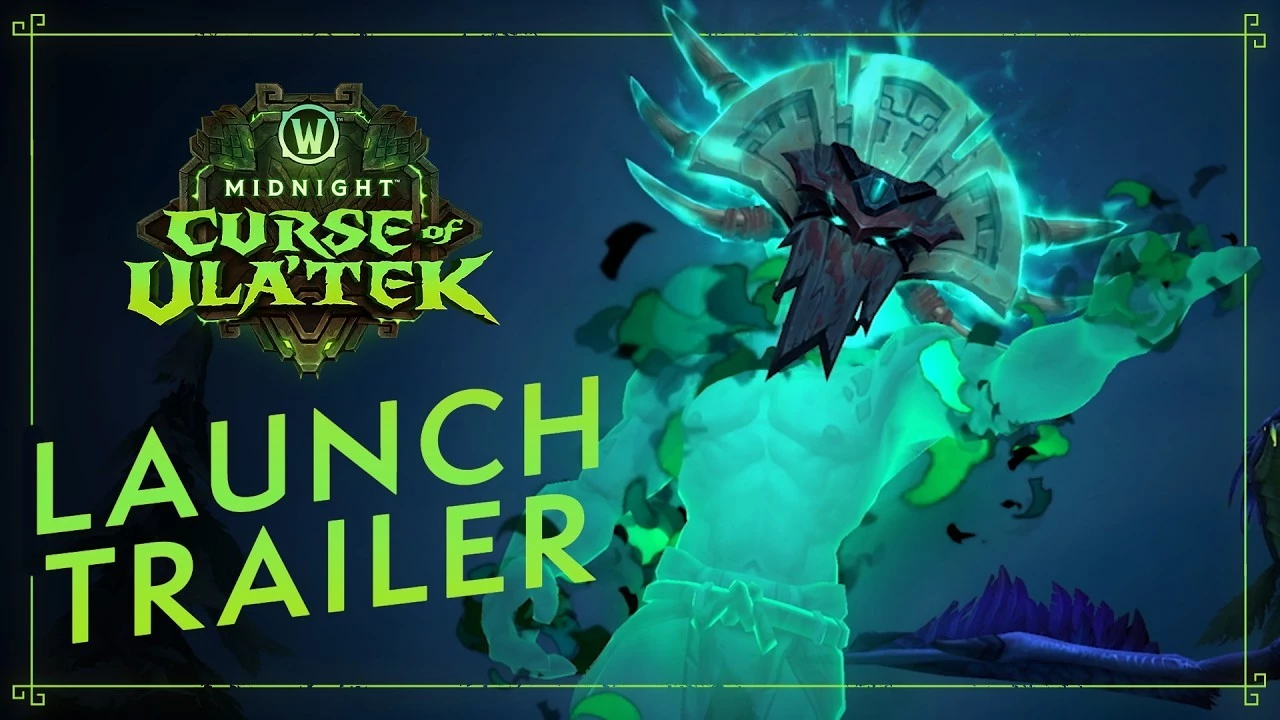
World of Warcraft developer Blizzard Entertainment has rolled out an urgent hotfix affecting one of the challenging encounters in the game’s newest raid content. The adjustment targets the Ula’thek boss fight within the Poisoned Void raid, specifically modifying the mechanics on Normal and Heroic difficulty settings. The changes address the “Spectral Rings” ability, which had proven particularly problematic during large-group encounters where coordination becomes increasingly complex.
The modification comes as part of Blizzard’s ongoing commitment to raid balance, ensuring that encounters remain challenging yet fair for guilds progressing through end-game content. Players had reported significant difficulties with the Spectral Rings mechanic, especially in scenarios where raids operated with higher player counts approaching the maximum capacity of 30 participants.
Understanding the Spectral Rings Mechanic
The Spectral Rings ability represents one of the signature mechanics of the Ula’thek encounter, requiring players to navigate carefully positioned ring patterns while simultaneously managing other boss mechanics. In its original implementation, the ability scaled in a way that created exponentially more difficult scenarios as raid sizes increased. This scaling issue meant that larger guilds attempting progression faced disproportionately harder challenges compared to smaller, more tightly coordinated groups.
Blizzard’s adjustment appears to have modified either the number of rings spawned, their positioning logic, or the damage scaling associated with failed mechanics. While the company has not released detailed patch notes explaining the precise technical changes, player feedback from the community suggests the fight now feels more consistent across different raid compositions. This type of mid-tier hotfix is common in World of Warcraft’s raid release cycle, as developers gather real-world data from thousands of attempts to fine-tune encounters.
Historical Context of Raid Balancing
Emergency raid adjustments have been a staple of World of Warcraft’s endgame experience since the earliest expansions. Blizzard maintains a dedicated team of encounter designers who monitor progression data in real-time, particularly during the competitive Race to World First events where elite guilds compete to defeat bosses before anyone else. The Poisoned Void raid represents the latest challenge for these dedicated players, and ensuring mechanical fairness remains paramount to the competitive integrity of these events.
The company has historically taken swift action when abilities demonstrate unintended behavior or create unfair advantages for specific raid compositions. Previous examples include adjustments to encounters in Sepulcher of the First Ones, Castle Nathria, and numerous other raids throughout the game’s twenty-year history. These changes reflect Blizzard’s design philosophy of iterative improvement, where player feedback and performance data directly influence ongoing development.
Community Response and Future Implications
The World of Warcraft community has generally responded positively to the rapid hotfix, appreciating Blizzard’s responsiveness to player concerns. Forums and social media platforms showed players expressing relief that the Spectral Rings mechanic would no longer present such a significant roadblock to progression. Guild leaders particularly welcomed the change, as it reduces the pressure to artificially limit raid sizes or bench experienced players to overcome the mechanical challenges.
Looking ahead, this adjustment may signal Blizzard’s increased attention to scalability issues in raid design. As the game continues to evolve with each major content patch, ensuring that encounters function properly across the full spectrum of supported raid sizes remains an ongoing challenge. The development team has previously acknowledged the complexity of designing encounters that feel equally engaging whether attempted by 10 players or 30, and refinements like this one demonstrate their commitment to achieving that balance. Players can expect continued monitoring and potential additional adjustments as more guilds progress through the Poisoned Void raid in the coming weeks.
Expert Opinion: This hotfix reflects a broader industry trend where live-service games require constant mechanical refinement based on real-world player data. Blizzard’s quick response demonstrates the maturity of their raid development pipeline, though the initial oversight suggests that internal testing with maximum raid sizes may need additional attention before future content releases. Expect similar adjustments to other Poisoned Void encounters as guilds continue pushing higher difficulty tiers.