





Recent statistical analysis from the tracking service DataforAzeroth has revealed what veteran players have long suspected: the Paladin continues to hold its position as the most popular class in World of Warcraft, maintaining a commanding lead over all competing classes. This dominance is not a recent phenomenon but rather a trend that has persisted throughout much of the game’s two-decade history, reflecting the enduring appeal of this versatile hybrid class that combines holy magic with martial prowess.
The Paladin’s Enduring Appeal
The Paladin class has captivated World of Warcraft players since the game’s original launch in November 2004. Originally available exclusively to the Alliance faction, the class was designed as the embodiment of righteousness and divine power, drawing inspiration from classic fantasy archetypes and Dungeons & Dragons traditions. What makes the Paladin particularly attractive to players is its remarkable flexibility: the class can fulfill all three primary roles in group content — tanking enemies as a Protection Paladin, healing allies as a Holy Paladin, or dealing damage as a Retribution Paladin. This versatility means players never feel locked into a single playstyle and can adapt to whatever their group or raid needs most.
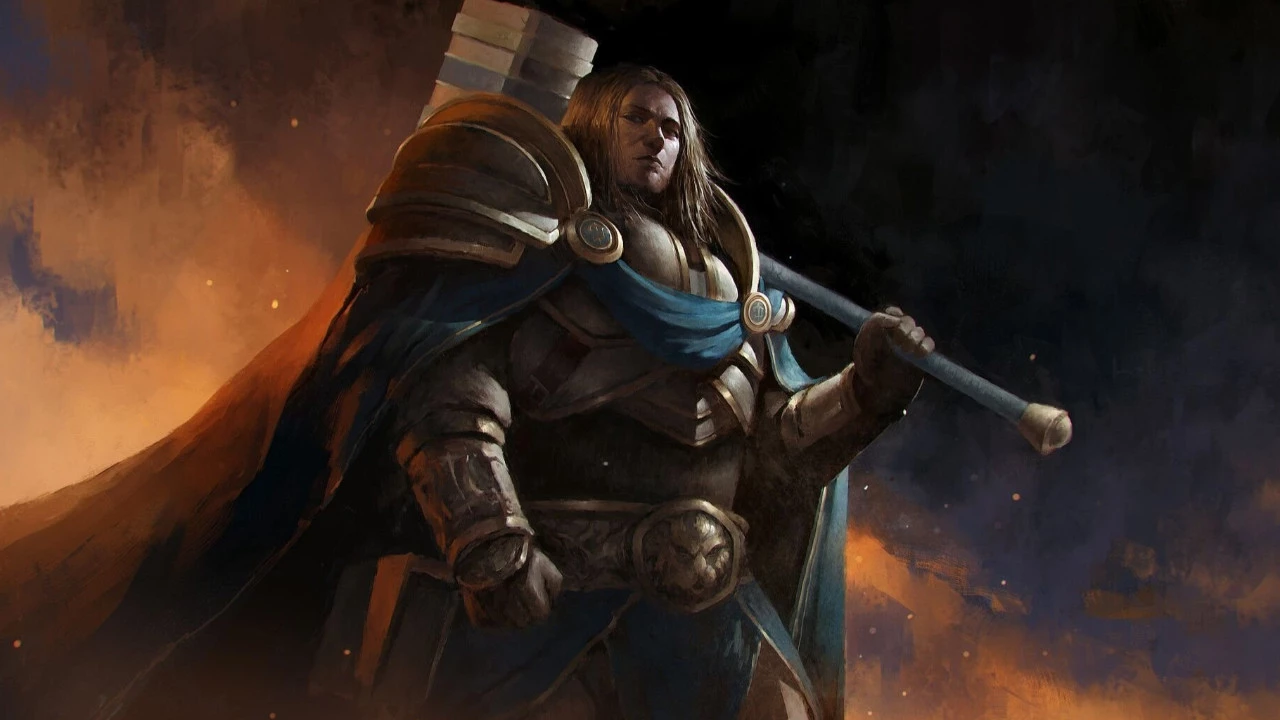
Beyond mechanical advantages, the Paladin class carries significant thematic weight within Warcraft lore. Characters like Uther the Lightbringer, Tirion Fordring, and Turalyon stand among the most celebrated heroes in the franchise’s expansive narrative. Players who choose this class often feel they are stepping into the boots of legendary champions, wielding the Light itself against the forces of darkness. This powerful fantasy resonance has helped maintain the Paladin’s popularity across countless expansions and game updates.
Statistical Dominance and Historical Trends
The data from DataforAzeroth paints a clear picture of class distribution across the game’s massive player base. While Blizzard Entertainment does not officially release detailed class popularity statistics, third-party tracking services have consistently shown Paladins commanding between 12-15% of the total player population — a significant margin when spread across twelve distinct classes. The closest competitors typically include other hybrid classes like Druids and Death Knights, which offer similar role flexibility but lack some of the Paladin’s unique utility abilities such as Blessing of Protection and Lay on Hands.
Historically, class popularity in World of Warcraft has shifted with each major expansion as Blizzard rebalances abilities and introduces new content. However, the Paladin has demonstrated remarkable resilience to these meta shifts. Even during periods when the class was considered underpowered in competitive environments, its player base remained loyal. Industry analysts suggest this stability reflects how deeply the Paladin fantasy resonates with the core World of Warcraft demographic, transcending pure performance metrics.
The Future of Class Balance in Azeroth
As World of Warcraft continues to evolve under Blizzard’s ongoing development, class balance remains a perpetual challenge. The company has repeatedly attempted to make less popular classes more appealing through mechanical improvements and lore-focused storylines. Recent expansions have given significant attention to classes like Evokers, the newest addition introduced in Dragonflight, and revamped older classes through talent tree redesigns. Despite these efforts, the fundamental appeal of the Paladin — its combination of self-sustainability, group utility, and compelling class fantasy — continues to draw both new players and returning veterans alike. With World of Warcraft celebrating its twentieth anniversary and preparing for future content, the Paladin’s reign shows no signs of ending anytime soon.
Expert Opinion: The Paladin’s sustained popularity across twenty years of World of Warcraft demonstrates that players value versatility and strong thematic identity over raw numerical performance. This trend suggests that future MMO developers should focus on creating classes with flexible role options and compelling lore connections rather than simply optimizing damage numbers. As the gaming industry continues to evolve, the Paladin’s dominance serves as a masterclass in character class design that resonates with players on both mechanical and emotional levels.