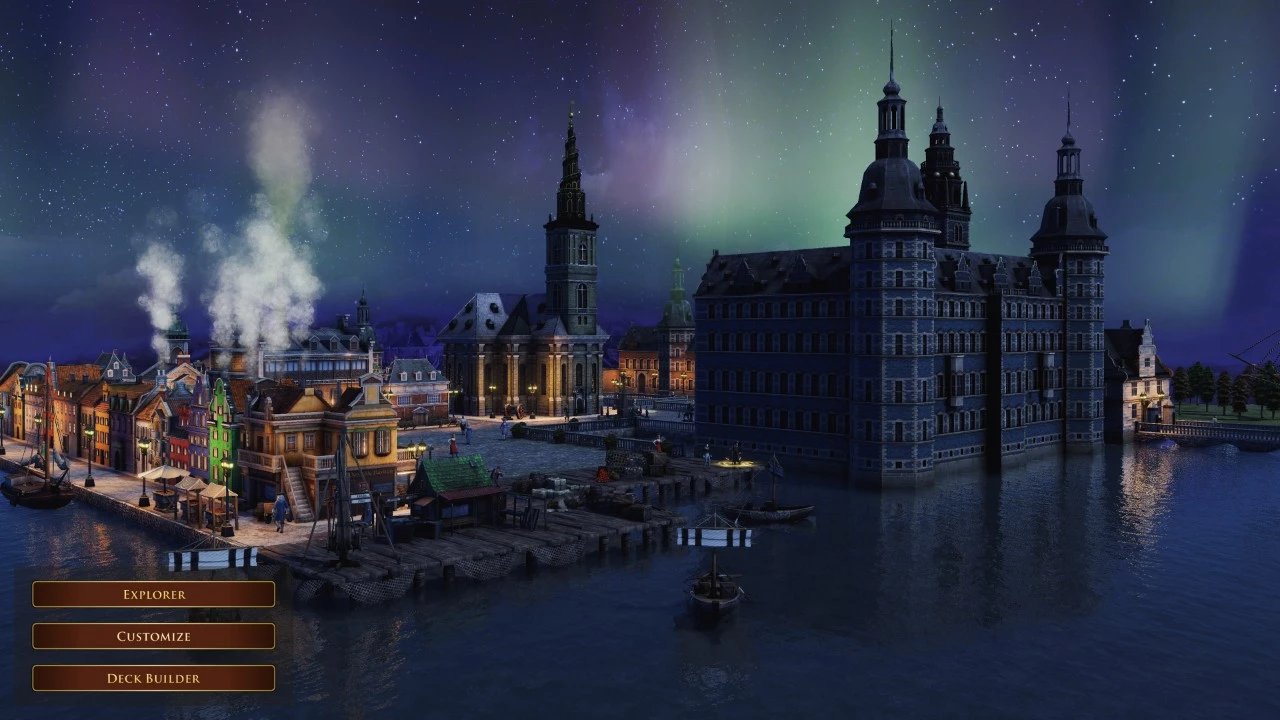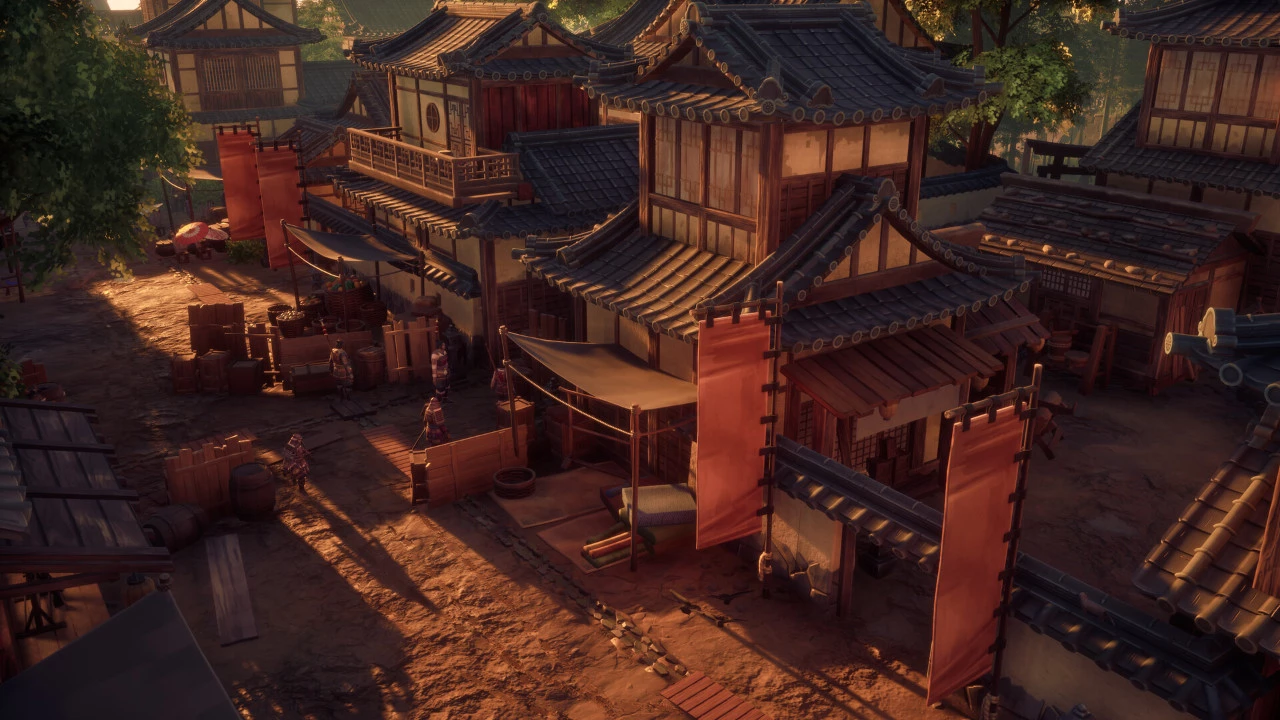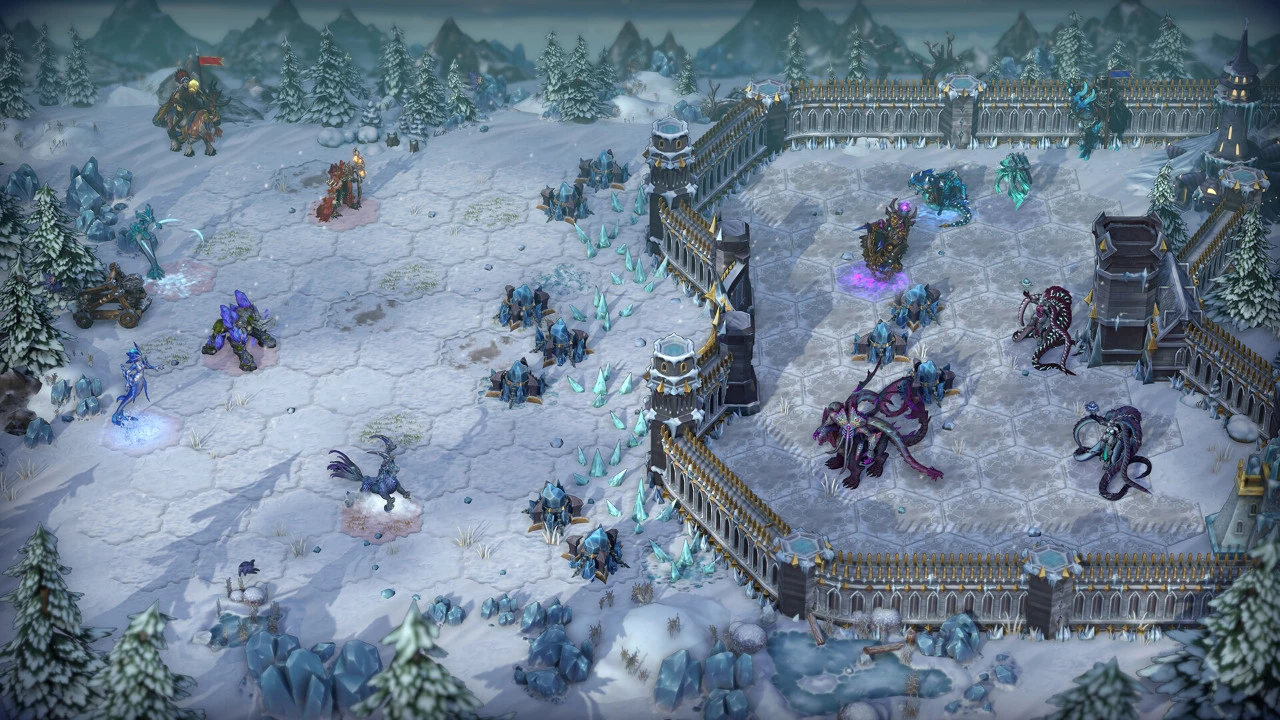




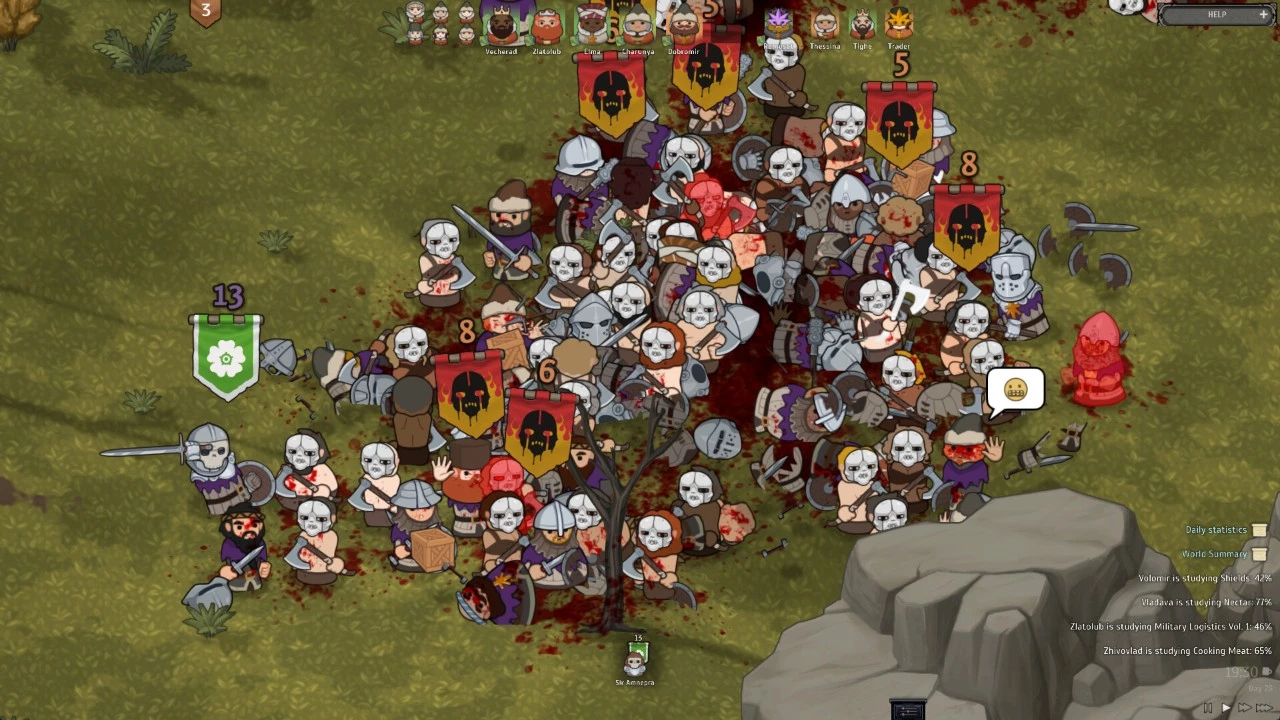
The developers of Norland have released an intriguing update in the beta branch, introducing a new system called the ‘Event Director.’ According to the creators, this feature makes each playthrough more varied and fair, with testers already so accustomed to the innovation that they simply don’t want to return to the old version of the game. This significant addition marks a new chapter in the evolution of the medieval colony simulation genre, promising to address one of the most common criticisms of settlement management games: repetitive gameplay loops.
Understanding the Event Director System
The Event Director system represents a sophisticated approach to dynamic gameplay that has been gaining popularity in modern game design. Rather than relying on purely random events or scripted sequences, this type of system analyzes the current state of the game and player behavior to generate contextually appropriate challenges and opportunities. The technology draws inspiration from similar systems implemented in games like Left 4 Dead, where an AI Director controlled zombie spawns and item placement based on player performance, creating a more balanced and engaging experience.
In Norland’s implementation, the Event Director appears designed to monitor various aspects of your settlement’s progress, including economic stability, population happiness, military strength, and diplomatic relations. When the system detects periods of stagnation or excessive prosperity, it can introduce events that challenge players without feeling unfair or arbitrary. This creates a more organic narrative flow, where kingdoms rise and fall based on a combination of player decisions and dynamic world events rather than pure randomness or predetermined scripts.
The Evolution of Settlement Simulation Games
Norland, which launched into early access in 2024, has quickly established itself as a notable entry in the settlement simulation genre. The game combines elements of colony management with medieval political intrigue, allowing players to guide a noble family through generations of rule. Players must manage not only resources and construction but also the complex interpersonal relationships between family members and subjects, creating emergent storytelling opportunities that set it apart from more traditional city builders.
The addition of the Event Director system addresses a fundamental challenge that has plagued settlement simulation games for decades. Games in this genre often suffer from a predictable mid-to-late game experience, where players have optimized their settlements to the point where challenges become trivial. By introducing a dynamic system that responds to player success, developers can maintain tension and engagement throughout the entire playthrough. This approach has been successfully implemented in various forms across the gaming industry, from roguelike games to survival horror titles, demonstrating its versatility and effectiveness.
Player Reception and Future Implications
The overwhelmingly positive response from beta testers suggests that Hooded Horse, the publisher behind Norland, and the development team have struck the right balance with this new system. When playtesters report that they cannot imagine returning to the previous version of a game, it typically indicates a feature that fundamentally improves the core experience rather than simply adding superficial content. This level of enthusiasm bodes well for the game’s continued development and the broader implementation of similar systems in future titles.
The success of the Event Director in Norland could influence the design philosophy of other settlement simulation games currently in development. As players increasingly demand more dynamic and replayable experiences, developers must find innovative ways to break free from the limitations of static content. The challenge lies in creating systems that feel responsive and intelligent without becoming predictable or manipulative. Early indications suggest that Norland has achieved this delicate balance, potentially setting a new standard for the genre. The update is currently available in the beta branch for players eager to experience the new system, with a full release expected to follow once testing is complete and final adjustments have been made based on community feedback.
Expert Opinion: The implementation of AI-driven event systems like Norland’s Event Director represents a significant shift in how developers approach player engagement and game longevity. As procedural generation technology continues to mature, we can expect more titles to adopt similar adaptive systems that respond to individual playstyles. This evolution could fundamentally change the economics of game development, allowing smaller teams to create experiences with near-infinite replayability without requiring massive content budgets.