




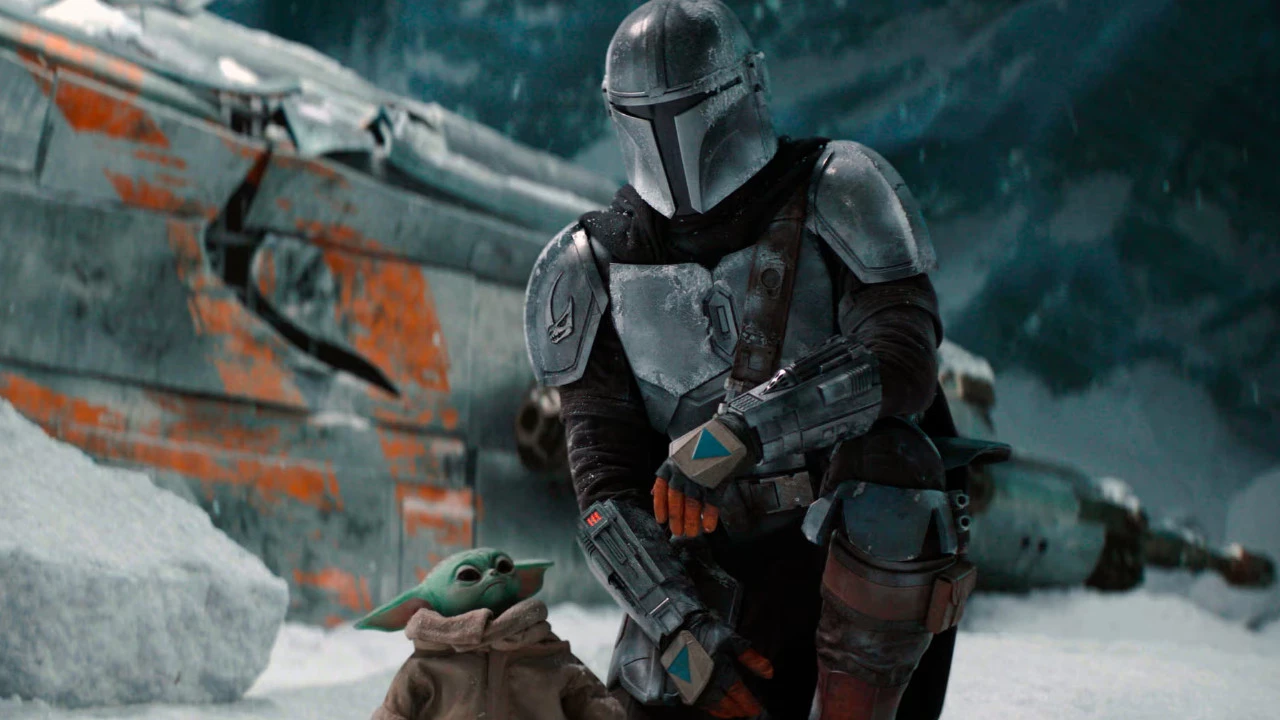
“The Mandalorian & Grogu” has officially concluded its theatrical run, recording a final box office total of $340.4 million worldwide. This disappointing figure marks a historic low point for the Star Wars franchise, making it the lowest-grossing theatrical release in the saga’s nearly five-decade history. The film, which transitioned the beloved Disney+ series to the big screen, failed to capture the magic that once made Star Wars a guaranteed box office juggernaut.
The movie brought back the popular duo of Din Djarin, the helmeted bounty hunter, and Grogu, the adorable Force-sensitive creature affectionately known as “Baby Yoda” by fans worldwide. Despite the characters’ massive popularity that sparked a merchandising phenomenon when the series debuted in 2019, their theatrical adventure struggled to attract audiences in sufficient numbers. The film opened to modest expectations but saw steep weekly declines that signaled trouble early in its run.
A Franchise in Decline
To put this performance in perspective, the original Star Wars film from 1977 earned over $775 million worldwide, equivalent to several billion dollars when adjusted for inflation. Even the much-criticized prequel trilogy and sequel trilogy managed to generate substantial returns, with “The Force Awakens” (2015) shattering records with over $2 billion globally. “The Rise of Skywalker” (2019), despite mixed reviews, still earned over $1 billion. The stark contrast with “The Mandalorian & Grogu” reveals just how dramatically audience appetite for Star Wars content has shifted.
Industry analysts point to several factors contributing to this underperformance. Franchise fatigue has become a significant concern, as Disney has released numerous Star Wars projects across both film and streaming platforms since acquiring Lucasfilm in 2012 for $4 billion. The oversaturation of content may have diluted the brand’s special event status that once guaranteed massive opening weekends. Additionally, some fans questioned whether a story that worked well as episodic television truly warranted a theatrical release.
The Streaming to Cinema Challenge
The transition from streaming to theatrical release presented unique challenges that the production team may have underestimated. Television audiences have different viewing habits and expectations compared to theatrical moviegoers. Many potential viewers may have felt content waiting for the film’s eventual streaming debut rather than purchasing cinema tickets. This phenomenon represents a broader industry challenge as studios navigate the complex relationship between their streaming platforms and traditional theatrical distribution.
The production budget for “The Mandalorian & Grogu” reportedly exceeded $150 million, not including substantial marketing costs that typically add another $100 million or more for major franchise releases. With the standard rule that films need to earn approximately 2.5 times their production budget to break even after accounting for theatrical splits and marketing expenses, the $340.4 million gross suggests the film may have struggled to turn a profit for Disney. This financial reality could significantly impact future Star Wars theatrical plans.
What This Means for Star Wars’ Future
Disney and Lucasfilm now face difficult decisions about the franchise’s direction. The company has several Star Wars projects in various stages of development, including films from directors like Taika Waititi and a long-discussed project from Kevin Feige, the architect of Marvel’s success. However, this disappointing performance may lead to a reassessment of theatrical strategies, potentially resulting in longer gaps between releases to rebuild anticipation and demand.
The failure also raises questions about which Star Wars content truly resonates with modern audiences. While Baby Yoda merchandise flew off shelves and the character became a cultural phenomenon during the pandemic era, converting that popularity into theatrical attendance proved far more challenging. Some industry observers suggest that Star Wars may need to take more creative risks and explore entirely new corners of the galaxy rather than relying on familiar characters and nostalgia-driven storytelling to recapture the magic that made the franchise a cultural institution.
Expert Opinion: This box office disappointment signals a critical inflection point for the Star Wars franchise. Disney must recognize that content oversaturation has fundamentally altered audience relationships with once-untouchable properties. The path forward likely requires strategic patience—fewer, higher-quality theatrical releases with genuine creative vision rather than safe extensions of existing storylines. Without meaningful creative renewal, Star Wars risks becoming a streaming-first property, losing the theatrical prestige that defined its legacy.