





Blizzard Entertainment continues its aggressive campaign to reshape the World of Warcraft experience ahead of the highly anticipated Midnight expansion, maintaining firm restrictions on third-party combat modifications that have divided the game’s passionate community. The developer has been working to convince longtime players that removing these deeply ingrained tools represents a positive evolution for the iconic MMORPG, rather than a limitation of player choice and customization that has defined the game for nearly two decades.
The controversy centers around combat addons—player-created modifications that have historically provided tactical advantages during raids, dungeons, and player-versus-player encounters. These tools, which include features like automated ability suggestions, boss mechanic timers, and optimized rotation helpers, have become so integral to high-end gameplay that many players consider them essential rather than optional. Blizzard’s decision to restrict their functionality has sparked intense debate across forums, social media platforms, and community gatherings worldwide.
The History of Addons in World of Warcraft
World of Warcraft’s relationship with third-party modifications stretches back to its 2004 launch, when Blizzard made the groundbreaking decision to provide an open API that allowed players to create custom interface elements. This accessibility spawned a thriving addon ecosystem that grew to include thousands of modifications, from simple quality-of-life improvements to sophisticated combat assistance tools. Popular addons like Deadly Boss Mods, WeakAuras, and various DPS meters became standard installations for serious players, fundamentally changing how the community approached challenging content.
Over the years, the line between helpful interface customization and automated gameplay assistance became increasingly blurred. Some addons evolved to essentially play portions of the game for users, telling them exactly when to use abilities, where to stand during boss fights, and how to optimize every aspect of their performance. This created a significant disparity between players who used these tools and those who preferred a more vanilla experience, leading to concerns about fairness and the integrity of competitive content.
Blizzard’s Rationale and Community Response
Blizzard has articulated several justifications for the addon restrictions, emphasizing their desire to create a more level playing field and encourage genuine player skill development. Company representatives have argued that over-reliance on combat addons diminished the sense of accomplishment that comes from mastering difficult encounters, as success became more about following automated instructions than developing personal expertise. The developers also expressed concern that encounter design had become constrained by the assumption that players would use specific addons, limiting creative possibilities for future content.
The community response has been predictably mixed, with passionate arguments emerging on both sides of the debate. Hardcore raiders and competitive players have expressed frustration at losing tools they consider fundamental to their gameplay experience, while others have welcomed the change as an opportunity for the game to return to its roots. Some veteran players recall earlier eras of World of Warcraft when addon functionality was more limited, arguing that those periods produced some of the most memorable and skill-intensive encounters in the game’s history.
Looking Ahead to Midnight
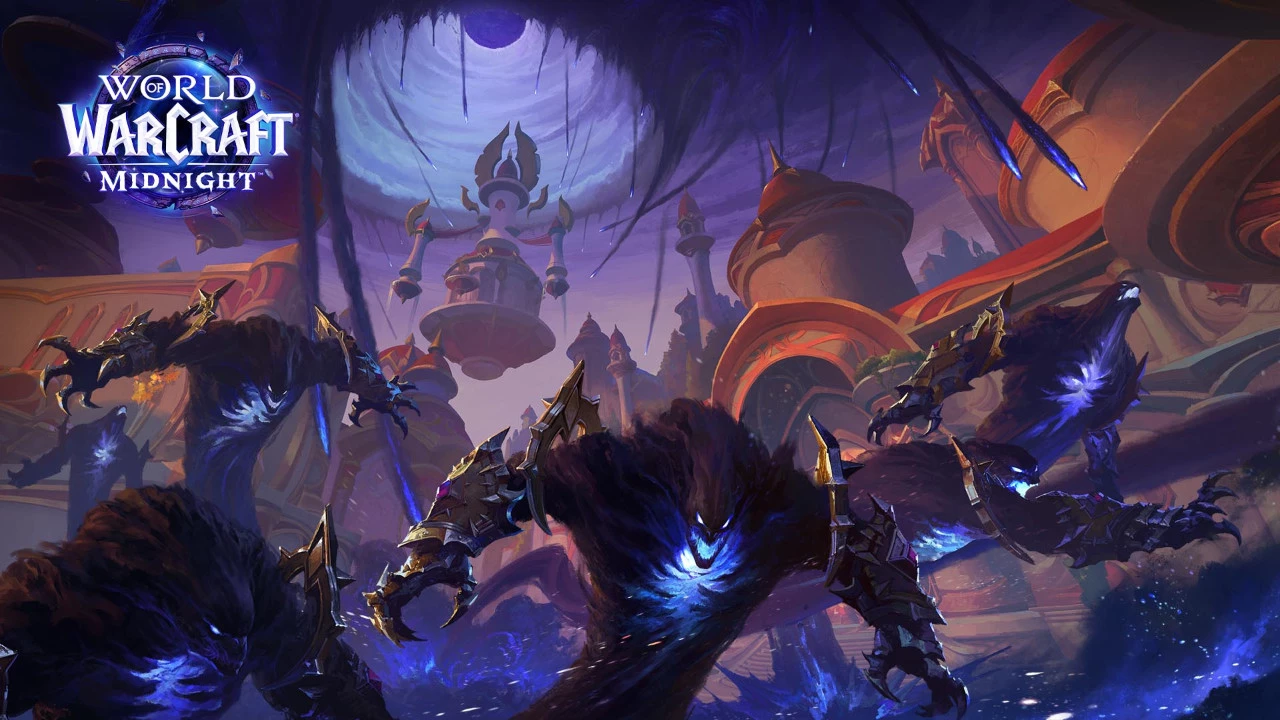
As the Midnight expansion approaches, Blizzard faces the challenge of demonstrating that their vision for a less addon-dependent World of Warcraft can deliver equally engaging and satisfying gameplay. The expansion promises to introduce new encounter designs that leverage the reduced addon functionality, potentially featuring mechanics that would have been trivialized by previous combat assistance tools. Early previews suggest that Blizzard is committed to creating content that rewards player awareness, coordination, and adaptability rather than rote memorization of addon-guided responses.
The success or failure of this initiative will likely influence the future direction of not only World of Warcraft but potentially the broader MMORPG genre. Other developers are watching closely to see whether Blizzard can successfully wean its playerbase off deeply entrenched tools without catastrophic subscriber losses. The coming months will reveal whether this bold gamble represents a visionary return to form for the legendary franchise or a miscalculation that alienates the dedicated community that has sustained World of Warcraft for two decades.
Expert Opinion: Blizzard’s addon restrictions represent a calculated risk that could redefine competitive MMORPG gameplay standards industry-wide. If successfully implemented, this approach may inspire other developers to reconsider the balance between player customization and designed experiences. However, the real test will come in the first major raid tier of Midnight—if completion rates drop dramatically or player frustration reaches critical mass, Blizzard may be forced to reverse course, potentially damaging their credibility with the hardcore community they’ve spent years cultivating.