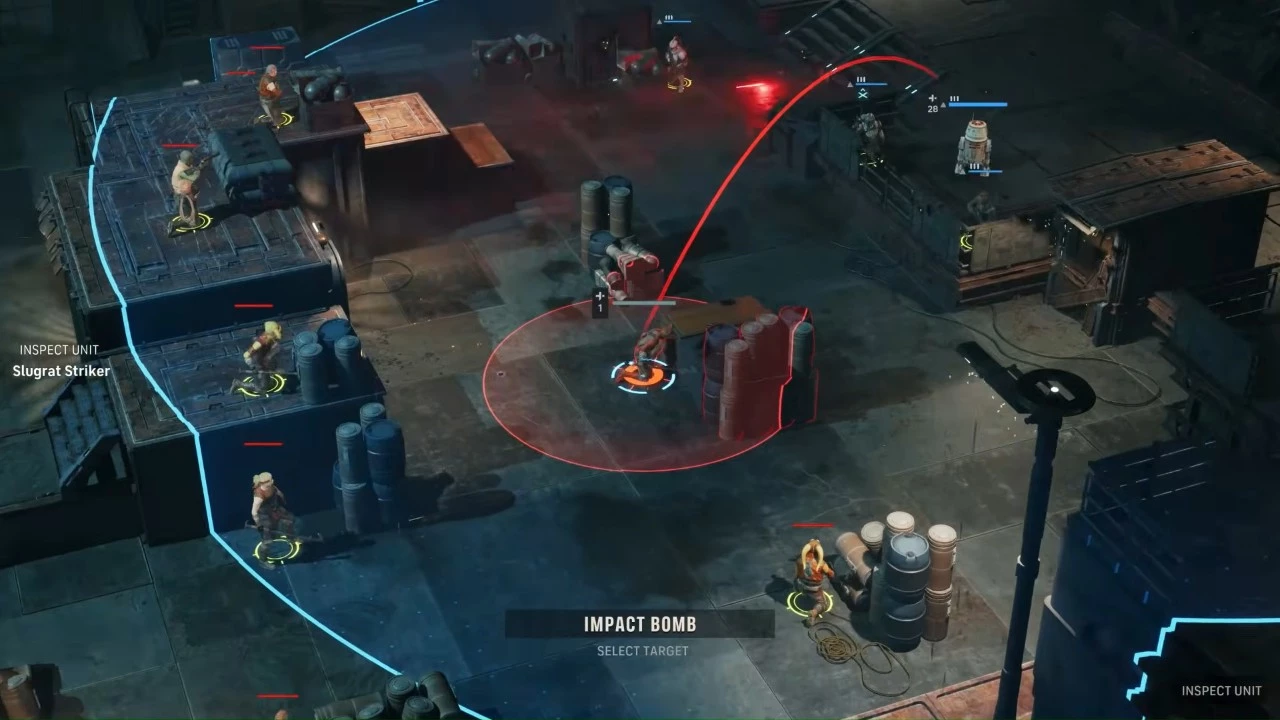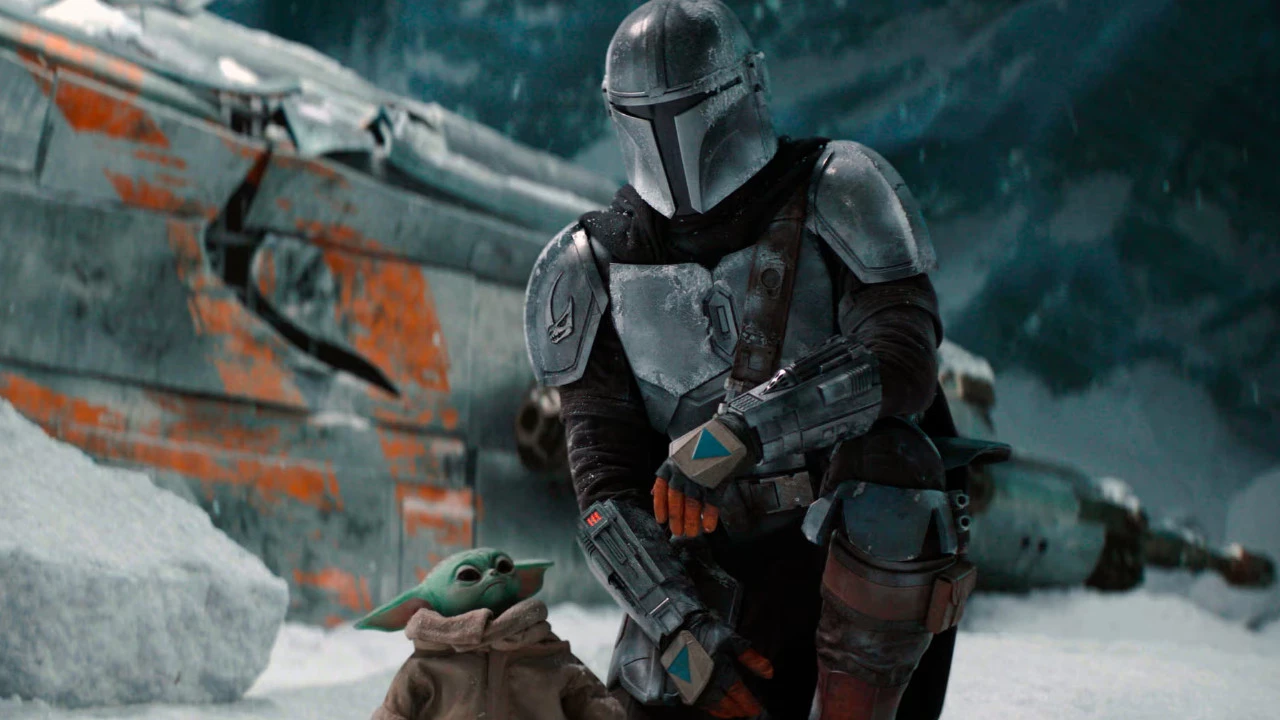




The newly released online multiplayer game Monopoly: Star Wars Heroes vs. Villains, developed by Behaviour Interactive in collaboration with Ubisoft, has debuted across all major gaming platforms to what can only be described as a catastrophic reception. Despite combining two of the world’s most recognizable entertainment franchises — the classic Monopoly board game and the Star Wars universe — the title has struggled to attract players and has faced harsh criticism from the gaming community. Within hours of its launch, the game peaked at a mere 227 concurrent players on Steam, while user reviews have settled at a dismal 45% positive rating, placing it firmly in the “Mixed” category that often signals trouble for online-dependent titles.
The timing of this release couldn’t be more problematic for Ubisoft, a company that has been struggling with multiple high-profile failures over the past several years. The French gaming giant has seen its stock price decline significantly and has faced mounting pressure from investors and industry analysts to turn around its fortunes. Recent releases like Skull and Bones, which had a notoriously troubled development cycle spanning over a decade, and the underwhelming performance of other titles have put the company in a precarious position. The failure of Monopoly: Star Wars Heroes vs. Villains adds another entry to this growing list of disappointments.
A Perfect Storm of Problems
Several factors appear to have contributed to this disastrous launch. First and foremost, the game’s pricing model and monetization structure have drawn significant criticism from players. In an era where gamers are increasingly wary of aggressive microtransaction systems, the title’s approach to monetization has been called out as exploitative and unnecessary. Additionally, technical issues and server problems plagued the launch, with many players reporting connectivity issues and bugs that prevented them from enjoying the basic gameplay experience. For an online-only game, such problems can be fatal, as first impressions often determine a title’s long-term success.
The collaboration between Behaviour Interactive and Ubisoft raised some eyebrows in the gaming community from the announcement. Behaviour is best known for developing Dead by Daylight, an asymmetric multiplayer horror game that has maintained a dedicated player base for years. However, their expertise in that genre doesn’t necessarily translate to creating compelling board game adaptations. Meanwhile, Ubisoft’s publishing decisions have been questioned repeatedly, with critics suggesting that the company has lost touch with what modern gamers actually want. The combination of a studio working outside its comfort zone and a publisher with recent credibility issues may have doomed the project from the start.
The Broader Context of Licensed Games
Licensed games based on popular franchises have a notoriously checkered history in the gaming industry. While some titles have achieved remarkable success — such as the various LEGO franchise games or Insomniac’s Spider-Man series — many others have failed to capture the magic of their source material. Star Wars games in particular have experienced both incredible highs, like the original Knights of the Old Republic, and devastating lows, such as the controversial launch of Star Wars Battlefront II in 2017. The Monopoly franchise itself has seen numerous digital adaptations over the years, with varying degrees of quality and player reception. Combining these two franchises seemed like a potentially winning formula on paper, but execution has clearly fallen short of expectations.
The game attempts to blend traditional Monopoly gameplay mechanics with Star Wars theming, featuring characters from across the franchise’s extensive history divided into heroes and villains factions. Players can choose to play as iconic figures while competing to dominate the game board through strategic property acquisition and resource management. However, early player feedback suggests that the Star Wars elements feel superficial rather than transformative, failing to meaningfully enhance the core Monopoly experience. Critics have noted that the game feels like a quick cash grab rather than a thoughtful adaptation that respects both franchises.
What This Means for Ubisoft’s Future
This latest failure raises serious questions about Ubisoft’s strategic direction and decision-making processes. The company has announced plans to focus on its core franchises and reduce risk by developing smaller, more experimental titles alongside its major releases. However, partnerships like this one suggest that the company may still be pursuing projects that don’t align with market demands or player expectations. Industry analysts have suggested that Ubisoft needs to fundamentally reassess its approach to game development and publishing, focusing on quality over quantity and rebuilding trust with its increasingly skeptical player base. Whether the company can successfully pivot remains to be seen, but launches like Monopoly: Star Wars Heroes vs. Villains certainly don’t inspire confidence.
For now, the game joins a growing list of online multiplayer titles that have failed to find an audience, potentially facing a rapid decline toward shuttered servers and abandoned development. Players who did purchase the game are left wondering whether it will receive the updates and support necessary to address its current problems, or if it will simply fade into obscurity as another cautionary tale about the risks of licensed game development.
Expert Opinion: This launch exemplifies the dangerous combination of brand complacency and inadequate market research that has plagued major publishers in recent years. Ubisoft’s continued struggles suggest that without significant structural changes to their development and publishing strategy, we may see the company become a prime acquisition target within the next 18-24 months. The gaming industry’s patience for underwhelming licensed products has clearly reached its limit, and only publishers who prioritize genuine player value over brand recognition will thrive in this increasingly competitive landscape.