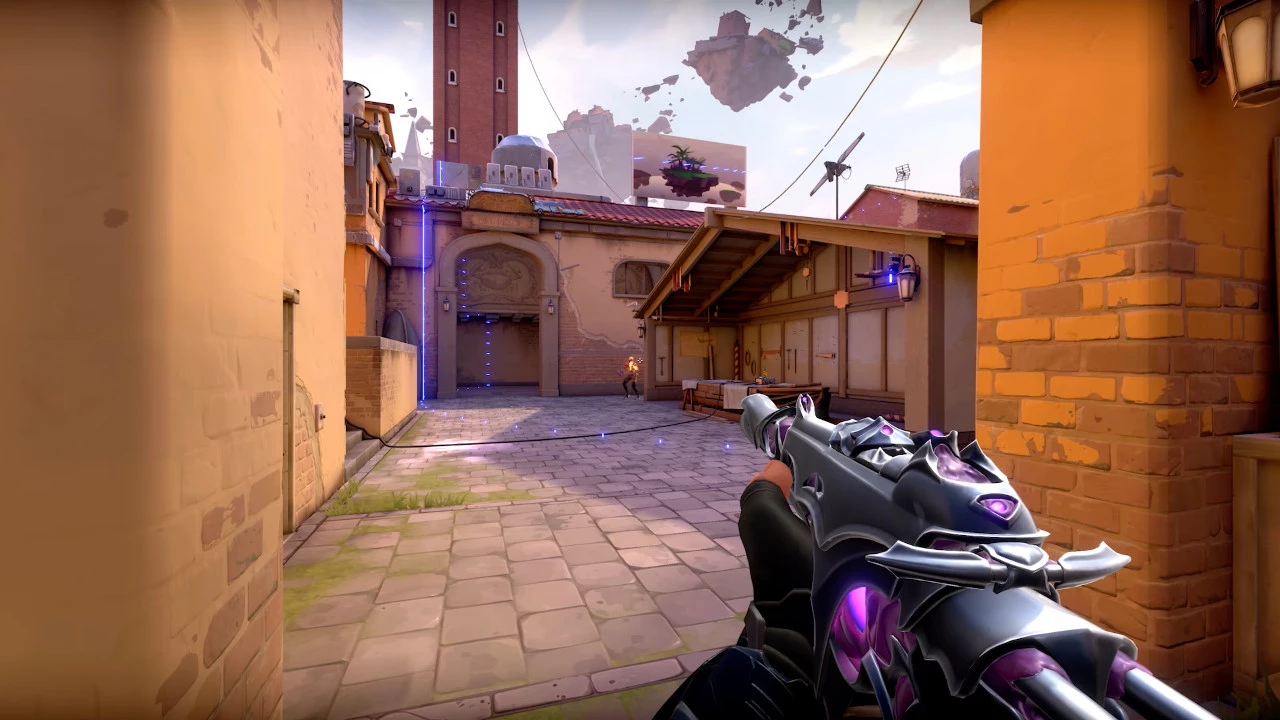







Riot Games has swiftly intervened to quash a wave of rumors that had been spreading rapidly throughout the gaming community. The company issued an official statement denying claims that their Vanguard anti-cheat system was causing permanent damage to users’ computers, commonly referred to as “bricking” devices. The allegations had sparked significant concern among players of popular titles like Valorant and League of Legends, prompting the studio to address the situation directly and transparently.
The controversy erupted when several social media posts and forum discussions began circulating claims that the kernel-level anti-cheat software was causing serious hardware malfunctions. Some users alleged that after installing games protected by Vanguard, their computers became completely unresponsive or suffered irreversible damage. These claims quickly gained traction across gaming communities on Reddit, Twitter, and various Discord servers, creating a wave of panic among potential and existing players.
Understanding Vanguard: The Controversial Anti-Cheat Technology
Vanguard is Riot Games’ proprietary anti-cheat system that operates at the kernel level of Windows operating systems. Introduced in 2020 alongside the release of Valorant, the software was designed to combat cheating by running continuously from system startup, even when games are not being played. This deep level of system access has been a point of contention since its inception, with privacy advocates and security experts raising concerns about the potential risks associated with kernel-level software.
The kernel-level approach allows Vanguard to detect cheats that might load before the game itself starts, making it significantly more effective than traditional anti-cheat solutions. However, this same capability has made it a frequent target of criticism and suspicion. Critics argue that any software with such deep system access presents inherent security risks, while supporters maintain that the aggressive approach is necessary to maintain competitive integrity in esports titles.
Riot Games’ Official Response and Technical Clarification
In their official response, Riot Games categorically denied that Vanguard has the capability to permanently damage hardware. Company representatives explained that while the anti-cheat software does operate at a privileged system level, it is designed with multiple safeguards to prevent any interaction that could harm physical components. The studio emphasized that their software undergoes rigorous testing and security audits before any updates are deployed to users.
Riot Games also pointed out that many of the reported issues were likely caused by other factors, including incompatible drivers, pre-existing hardware problems, or conflicts with other software. The company encouraged users experiencing genuine technical difficulties to contact their support team for personalized assistance. They also noted that millions of players use Vanguard-protected games daily without encountering such issues, suggesting that the reported incidents were isolated rather than systemic.
The Broader Context of Anti-Cheat Controversies
This incident reflects a broader tension in the gaming industry between the need for effective anti-cheat measures and user concerns about privacy and system security. Similar controversies have surrounded other anti-cheat solutions, including Easy Anti-Cheat and BattlEye, which are used by numerous popular games. The gaming community remains divided on whether kernel-level protection is a necessary evil or an unacceptable intrusion into users’ systems.
Historically, the arms race between cheat developers and anti-cheat systems has driven increasingly sophisticated solutions on both sides. As competitive gaming and esports have grown into multi-billion dollar industries, the stakes for maintaining fair play have never been higher. Games like Valorant, with its thriving competitive scene and professional leagues, rely heavily on player trust in the integrity of matches, making robust anti-cheat measures a business imperative as much as a technical necessity. Despite the current controversy, Riot Games has reiterated its commitment to both security and transparency, promising to continue communicating openly with its player base about Vanguard’s functionality and any future updates to the system.
Expert Opinion: This situation highlights the ongoing challenge game developers face in balancing aggressive anti-cheat measures with user trust. As kernel-level solutions become more common, companies will need to invest heavily in transparent communication and third-party security audits to maintain player confidence. The industry may eventually see the emergence of standardized certification processes for anti-cheat software to address these recurring concerns.