

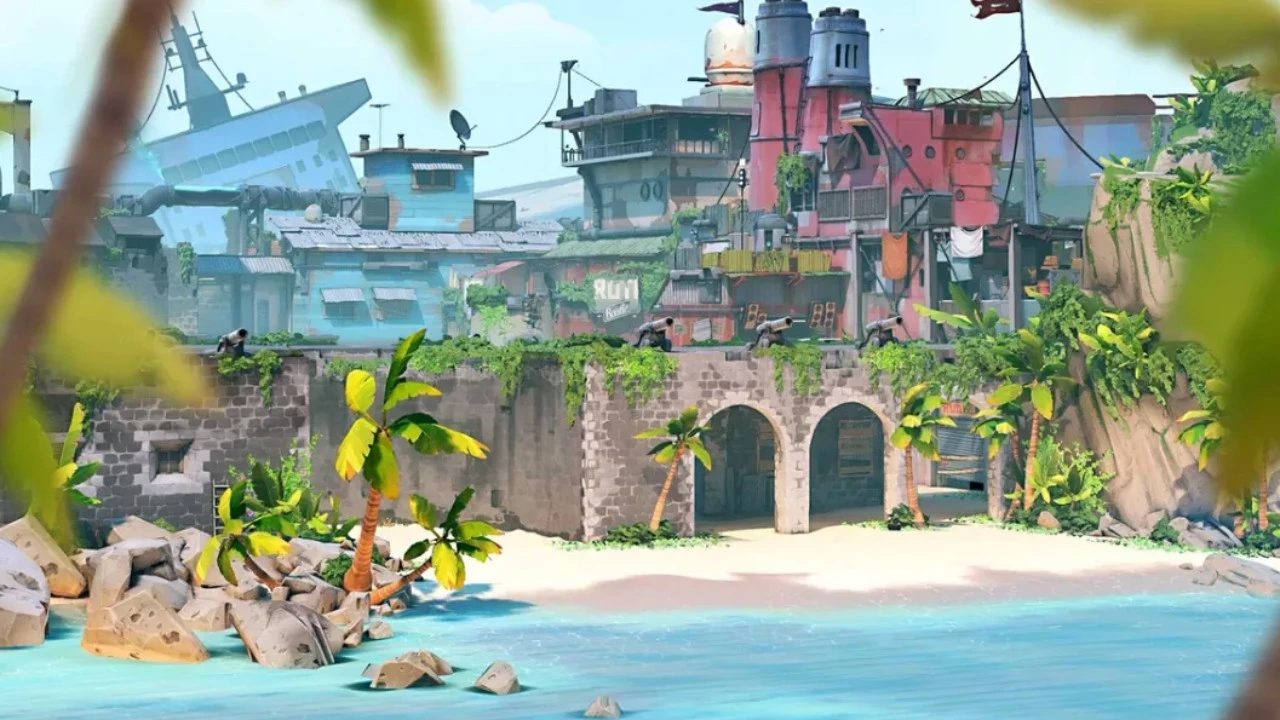
Riot Games has taken swift action to temporarily disable the popular Breeze map from Valorant’s competitive and unranked playlists following the discovery of a critical gameplay bug that fundamentally undermined the map’s tactical integrity. The issue, which was quickly identified by the game’s vigilant community, revealed that certain environmental objects meant to provide cover were instead behaving as mere visual decorations, allowing abilities and projectiles to pass through them unimpeded. This unexpected flaw transformed what should have been strategic defensive positions into potentially fatal traps for unsuspecting players.
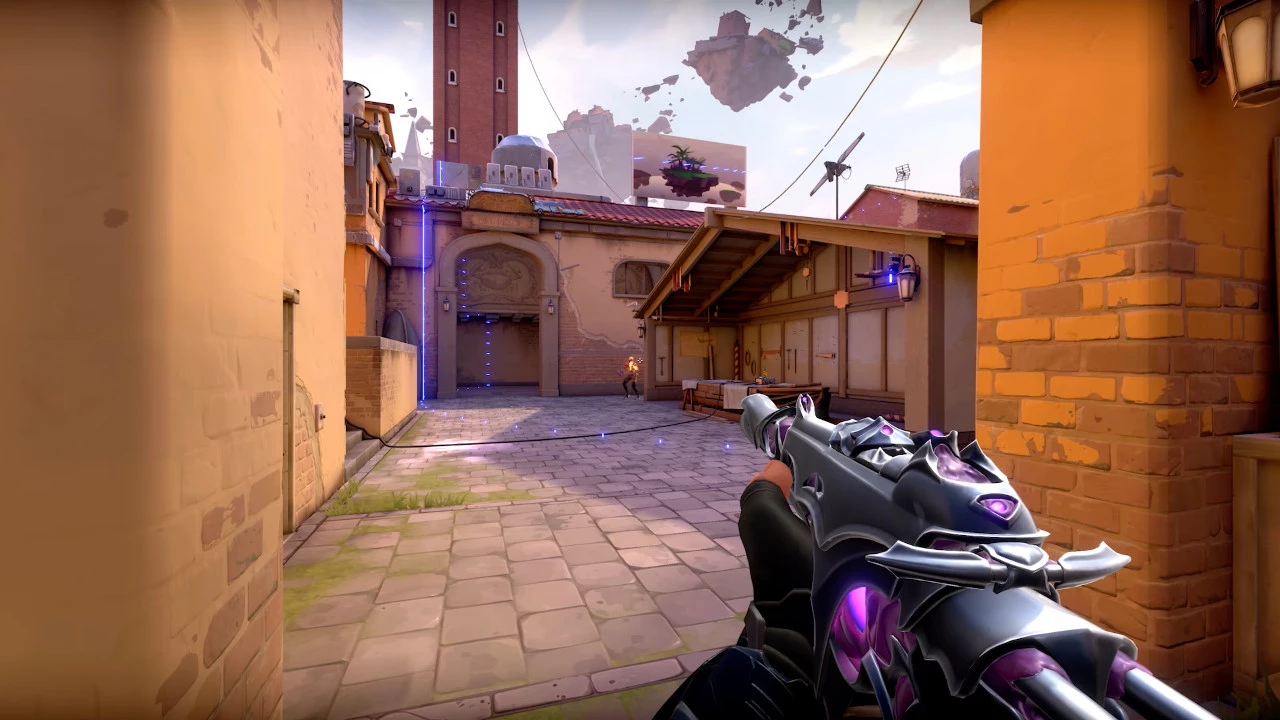
The problematic bug specifically affected the crates located near the A Shop area of the map, one of the most contested zones in competitive play. Players discovered that flashbangs, reconnaissance drones, and various other utility abilities could seamlessly penetrate through these supposedly solid objects, completely negating the cover they were designed to provide. This meant that teams attempting to use these crates as protection while executing site takes or holding defensive positions were unknowingly exposing themselves to enemy abilities, giving opponents an unfair and unintended tactical advantage.
Impact on Competitive Integrity
The discovery of this bug sent ripples through the Valorant competitive community, as Breeze has long been considered one of the most strategically complex maps in the game’s rotation. With its open sightlines and emphasis on utility usage, even minor inconsistencies in how abilities interact with the environment can dramatically shift the balance of power between attacking and defending teams. Professional players and content creators quickly began documenting the issue, demonstrating how drones could fly through solid crates and how flashbangs could blind players who believed they were safely positioned behind cover.
Riot Games has built its reputation on maintaining strict competitive integrity across all of its titles, and Valorant is no exception. The company’s rapid response to disable the map entirely, rather than leaving it active with a known exploit, reflects their commitment to fair play. This approach, while inconvenient for players who enjoy the map, ensures that no matches are decided by who happens to know about the bug rather than by genuine skill and teamwork. The development team has not yet announced a specific timeline for the fix, but given the severity of the issue, a patch is expected within days.
Historical Context of Map Issues in Valorant
This is not the first time Riot has been forced to temporarily remove content from Valorant due to game-breaking bugs. Throughout the game’s history, which began with its official launch in June 2020, the developers have occasionally pulled maps, agents, and even weapons from rotation to address critical issues. The Breeze map itself, which was introduced in April 2021 as the game’s fifth map, has undergone numerous balance adjustments and bug fixes since its release. Its distinctive tropical aesthetic and unique layout featuring wide open spaces have made it both beloved and challenging for the competitive community.
The Valorant development team maintains an active presence on social media and community forums, regularly communicating with players about known issues and upcoming fixes. This transparent approach has helped build trust between the developers and the player base, even when problems like the Breeze crate bug emerge. Players generally appreciate the quick action taken to preserve competitive fairness, understanding that temporary inconvenience is preferable to playing on a fundamentally broken map. The community’s role in identifying and reporting such bugs has become an invaluable part of the game’s quality assurance process, with dedicated players often discovering issues that internal testing might miss.
What Players Can Expect Moving Forward
While Breeze remains disabled, players will continue to have access to Valorant’s other maps in the competitive rotation. Riot Games typically provides updates through their official channels when fixes are deployed, and players can expect the map to return once the crate collision issues have been thoroughly resolved and tested. The company’s track record suggests that fixes for high-priority bugs like this one are usually implemented within a matter of days, though complex issues occasionally require longer development cycles. In the meantime, the competitive community continues to adapt, focusing their practice and strategies on the remaining available maps while awaiting Breeze’s return to the rotation.
Expert Opinion: This incident highlights the increasingly complex nature of modern competitive game development, where even minor collision detection errors can have cascading effects on gameplay balance. Riot’s decision to remove the map entirely rather than issue a temporary workaround demonstrates industry-leading prioritization of competitive integrity over player convenience. As Valorant continues to grow as an esport, we can expect the development team to maintain this zero-tolerance approach to game-breaking bugs, which will ultimately benefit the long-term health of the competitive ecosystem.