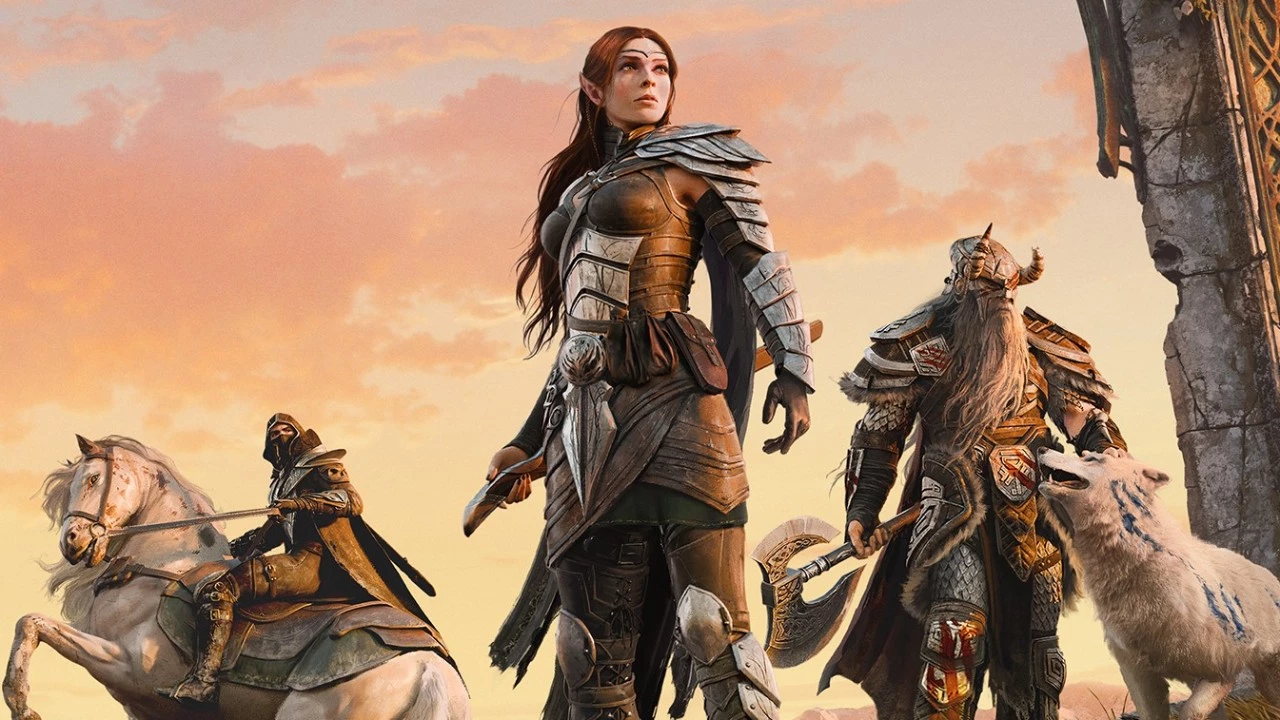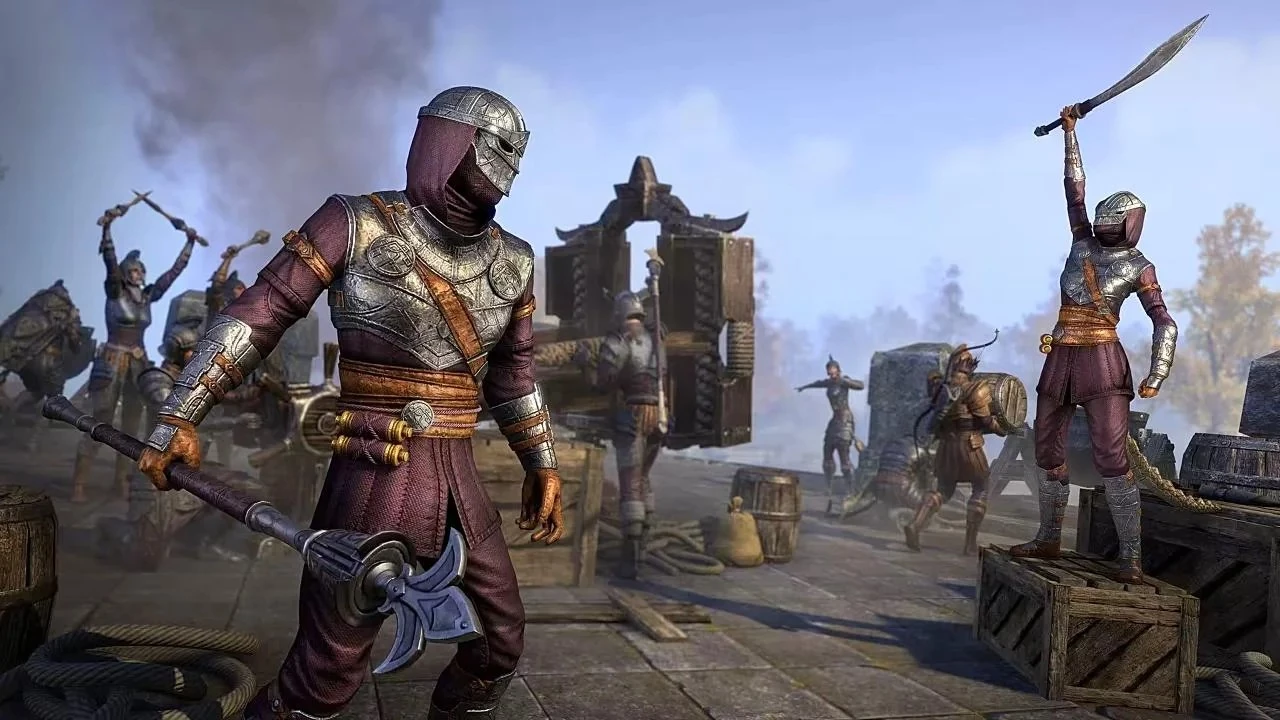





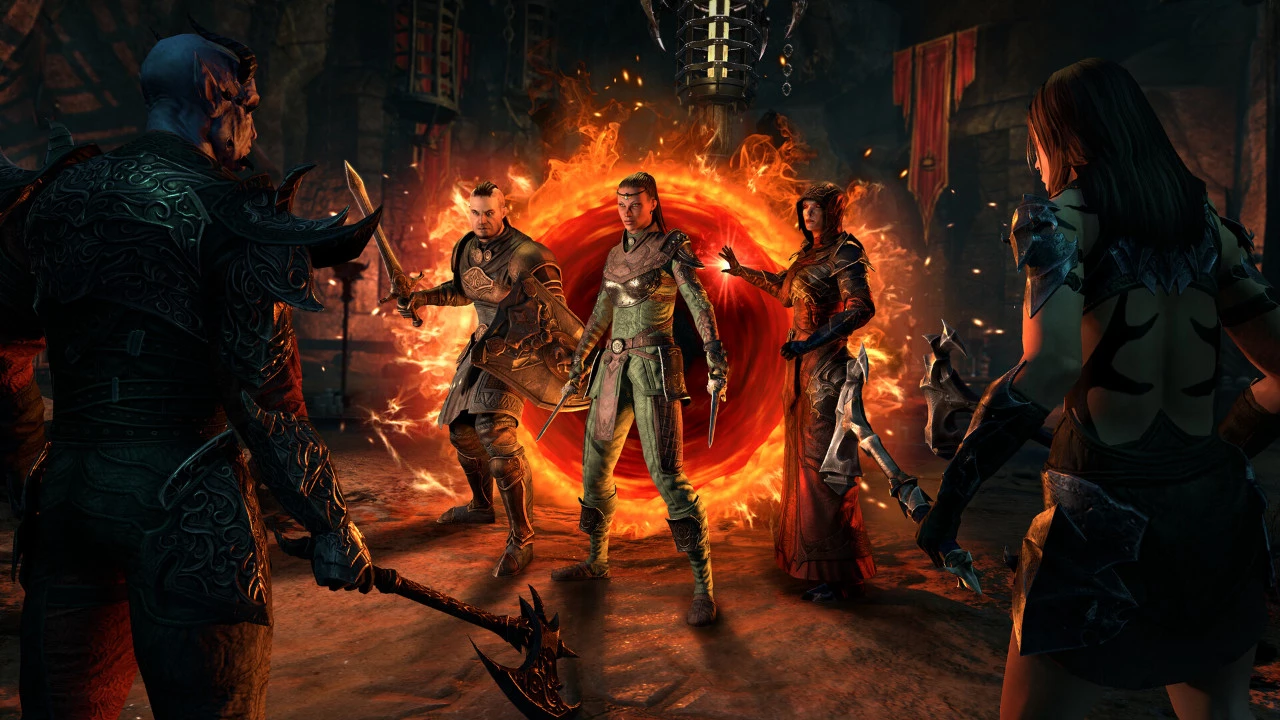
Bethesda’s long-running massively multiplayer online role-playing game The Elder Scrolls Online is undergoing significant changes as developers work to make older content more accessible to solo players. During the third week of the current public test server cycle, the development team has begun testing two revamped dungeons — Moon Hunter Keep and March of Sacrifices — as part of their ongoing initiative to adapt group-focused content for individual adventurers.
This latest round of testing represents a continuation of ZeniMax Online Studios’ commitment to ensuring that all players, regardless of their preferred play style, can experience the full breadth of content the game has to offer. Both dungeons originally launched as part of the Wolfhunter DLC pack in 2018 and were designed with four-player groups in mind, featuring challenging boss encounters and mechanics that required coordinated teamwork.
A Strategic Shift Toward Accessibility
The decision to retrofit older dungeons for solo play reflects broader trends in the MMO industry, where developers are increasingly recognizing that not all players have the time, desire, or social connections to participate in traditional group content. Elder Scrolls Online has built much of its reputation on being one of the most solo-friendly MMORPGs on the market, allowing players to experience the main storylines and zone content without requiring party members.
However, dungeons have traditionally remained a bastion of mandatory group play. By scaling these encounters and adjusting mechanics to be manageable for individual players, ZeniMax is effectively opening up hundreds of hours of previously locked content to a significant portion of their player base. This approach also benefits returning players who may find it difficult to queue for older, less popular dungeons due to reduced player interest.
Moon Hunter Keep and March of Sacrifices Background
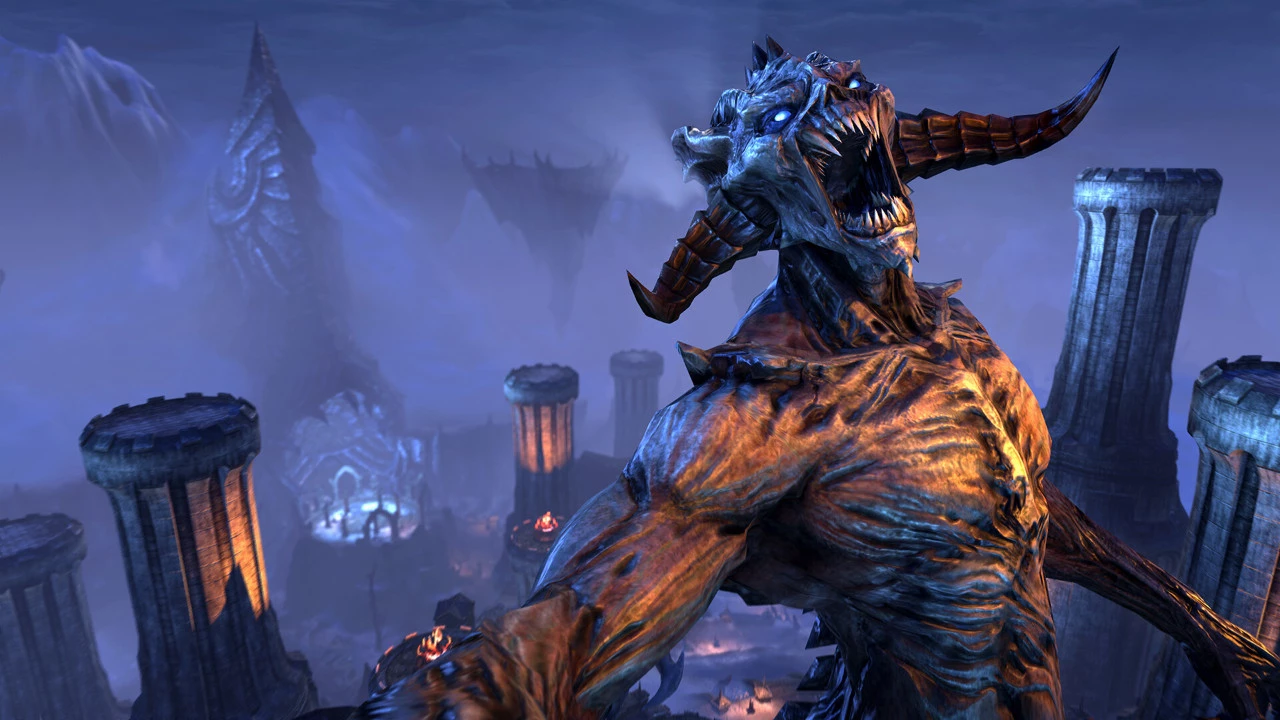
Both dungeons being tested carry significant lore implications within the Elder Scrolls universe. Moon Hunter Keep centers around a conflict with werewolves and the hunters who pursue them, featuring atmospheric Gothic environments and enemies tied to Hircine, the Daedric Prince of the Hunt. March of Sacrifices takes players directly into Hircine’s Hunting Grounds, a plane of Oblivion where mortals are forced to participate in deadly games for the entertainment of the Daedric Prince.
The Wolfhunter DLC was notable for its dark tone and challenging veteran modes, which made these dungeons favorites among hardcore players seeking difficult content. The solo adaptations will need to carefully balance preserving the atmospheric experience while ensuring that mechanics designed for tank-healer-damage dealer compositions remain engaging for a single player.
Community Response and Future Implications
The Elder Scrolls Online community has generally responded positively to previous solo-friendly updates, with many players expressing appreciation for the opportunity to experience story content at their own pace. However, some veteran players have voiced concerns about the potential dilution of challenging content, arguing that the social and mechanical complexity of group dungeons is a core part of the MMO experience.
ZeniMax has attempted to address these concerns by maintaining the original group versions alongside the new solo modes, ensuring that players seeking traditional difficulty can still find it. The public test server feedback period will be crucial in determining whether the current balance achieves the developers’ goals of accessibility without sacrificing the dungeons’ identity. As the game approaches its eleventh anniversary, these adaptations represent an important investment in keeping the content relevant for both new and returning players across all platforms.
Expert Opinion: The trend toward solo-friendly content in MMORPGs reflects a maturing genre that must accommodate diverse player demographics, including working adults with limited gaming time. ZeniMax’s approach of maintaining parallel difficulty modes could become an industry standard, allowing studios to maximize content utilization while preserving challenges for dedicated groups. This strategy may prove essential for the long-term sustainability of subscription and live-service games competing for players’ increasingly fragmented attention.