





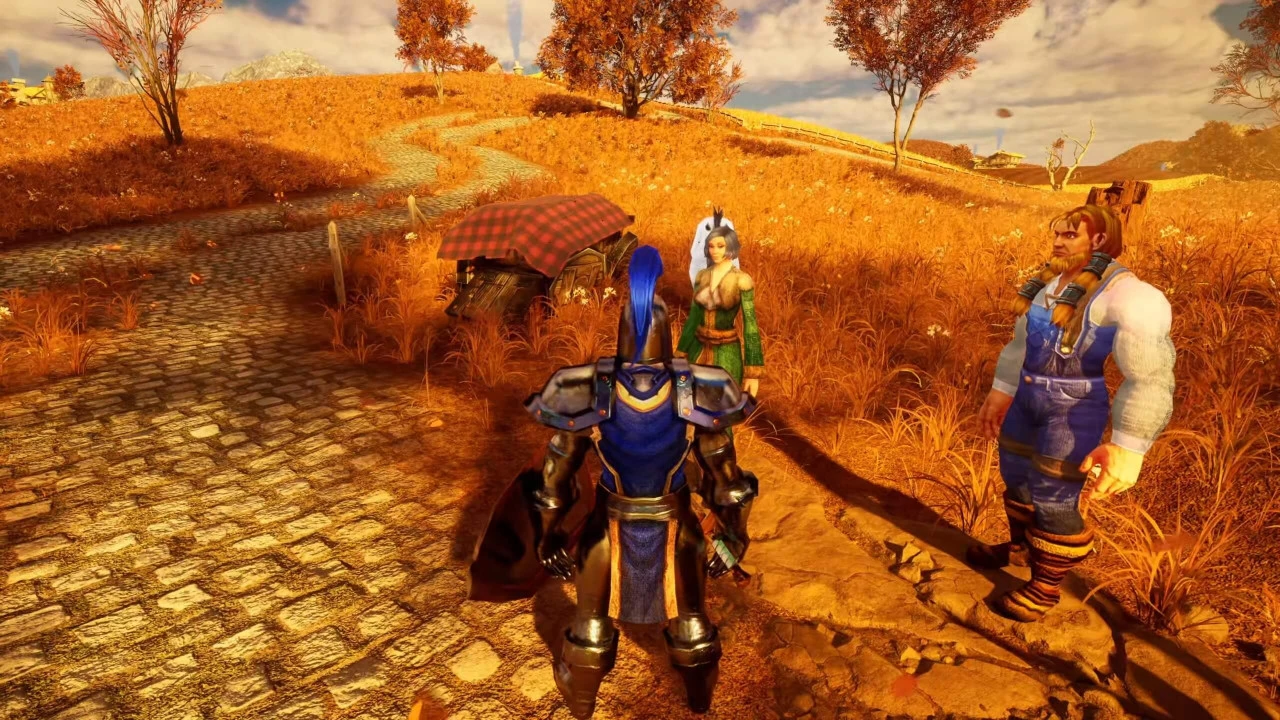
The development team behind Unreal Azeroth, an ambitious fan-made client for World of Warcraft, along with the classic vanilla server Emberveil, has announced a comprehensive restructuring of their organizational framework. This strategic move aims to shield the projects from potential legal action by Blizzard Entertainment, the original creators and rights holders of the iconic MMORPG franchise. The announcement has sent ripples through the private server community, highlighting the ongoing tension between passionate fan projects and corporate intellectual property enforcement.
Understanding the Private Server Phenomenon
Private servers have been a contentious issue in the gaming industry for decades, particularly within the World of Warcraft community. These unofficial servers allow players to experience older versions of the game that are no longer available through official channels, or to play without subscription fees. Unreal Azeroth represents a particularly ambitious project, as it attempts to recreate the World of Warcraft experience using Epic Games’ Unreal Engine, potentially offering enhanced graphics and modern technical improvements while maintaining the beloved gameplay of the original. Emberveil, on the other hand, focuses on providing an authentic vanilla World of Warcraft experience, recreating the game as it existed during its initial 2004-2006 era before any expansion packs were released.
The relationship between Blizzard and private server operators has historically been adversarial. The company has pursued numerous legal actions against such projects over the years, most notably the shutdown of Nostalrius in 2016, a popular vanilla server that boasted hundreds of thousands of active players. That closure sparked massive community backlash and eventually contributed to Blizzard’s decision to launch World of Warcraft Classic in 2019, their official recreation of the vanilla experience. Despite this official alternative, many players continue to seek out private servers for various reasons, including different rule sets, community preferences, or access to specific game versions.
Strategic Restructuring for Legal Protection
The restructuring undertaken by the Unreal Azeroth and Emberveil teams appears designed to create legal and operational separation between various components of the projects. While specific details of the reorganization remain somewhat guarded, such strategies typically involve distributing development across multiple jurisdictions, separating the hosting infrastructure from the development team, and implementing decentralized organizational structures that make it difficult for legal action to target a single entity. Some projects have gone so far as to operate through anonymous channels or establish presence in countries with less stringent intellectual property enforcement.
Legal experts familiar with gaming intellectual property disputes note that such restructuring efforts represent a growing trend among fan projects. The fundamental legal position of private servers remains precarious under most jurisdictions’ copyright laws, as they typically require distribution of copyrighted game client files or server-side code that replicates proprietary software. However, the practical challenges of enforcing judgments across international boundaries, combined with the distributed nature of modern internet infrastructure, can make shutdown efforts significantly more complex and costly for rights holders. This reality has created a cat-and-mouse dynamic between major publishers and dedicated fan communities.
The Broader Implications for Gaming Preservation
The situation raises important questions about video game preservation and the rights of players to access older versions of games they love. Unlike films or books, video games often exist in constantly evolving states, with updates and patches fundamentally changing the experience over time. When publishers like Blizzard modify or discontinue older versions of their games, the only way to experience those original versions often becomes through unofficial channels. Advocates for game preservation argue that projects like Unreal Azeroth and Emberveil serve a legitimate cultural function, preserving gaming history that would otherwise be lost. Critics, however, maintain that such projects undermine the business models that fund continued game development and constitute clear intellectual property violations regardless of their preservation value.
The World of Warcraft community will be watching closely to see whether the restructured projects can successfully continue operations while avoiding Blizzard’s legal reach. The outcome could set important precedents for how fan projects approach organizational structure in an era of increasingly aggressive intellectual property enforcement. For now, the teams behind Unreal Azeroth and Emberveil appear committed to continuing their work, betting that their new structure will provide the protection needed to keep these passion projects alive for the dedicated communities that support them.
Expert Opinion: This restructuring reflects a maturing approach among private server operators who are learning from previous legal takedowns. While Blizzard has shown willingness to compromise with fan communities in some cases, as evidenced by WoW Classic’s creation, projects that directly compete with current offerings remain at significant risk. The long-term viability of such decentralized structures will likely depend on Blizzard’s appetite for pursuing complex international litigation versus focusing resources on improving their official products.