


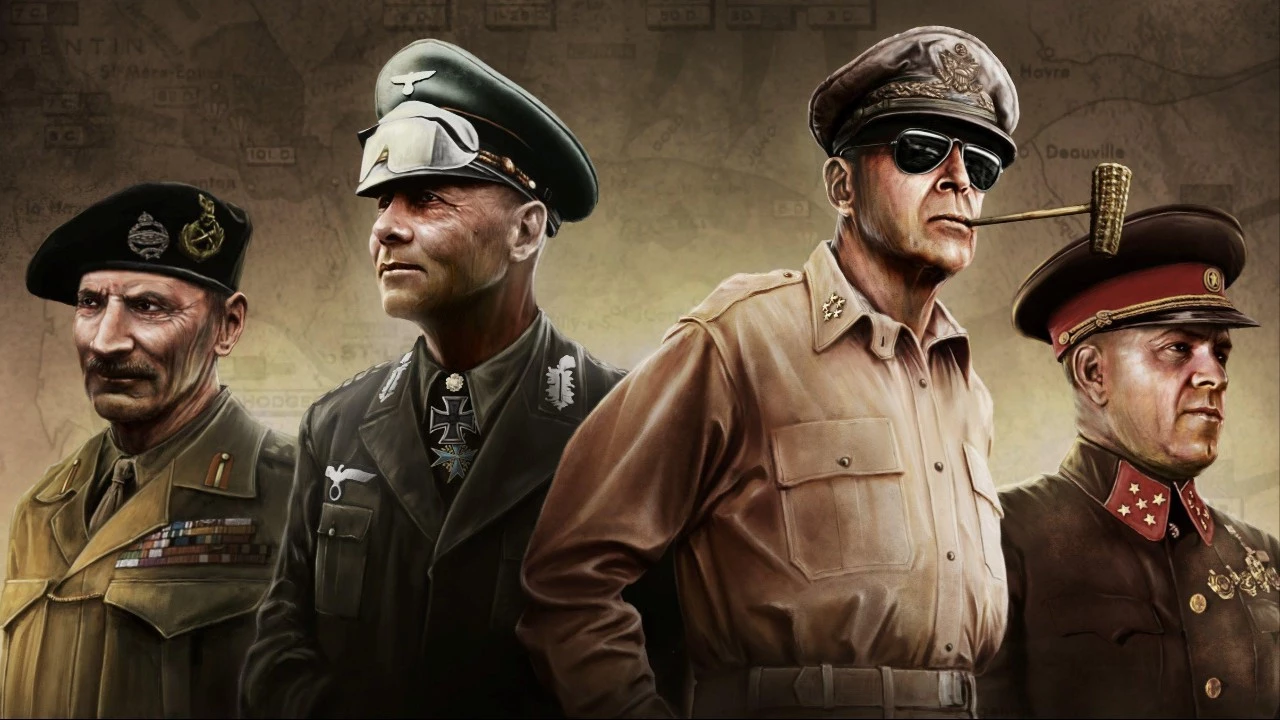
Paradox Interactive has announced plans to fundamentally rethink the experience and reinforcement systems in their popular World War II grand strategy game, Hearts of Iron IV. The Swedish developer believes that armies from different nations have become too similar in gameplay, with historical differences often reduced to mere static modifiers that fail to capture the unique military doctrines and traditions that defined various fighting forces during the Second World War.
The proposed changes aim to address a long-standing concern within the Hearts of Iron community: the lack of meaningful differentiation between elite formations and regular conscript units. Currently, while players can technically create specialized divisions, the mechanical differences often feel superficial. Paradox wants elite units to genuinely stand out on the battlefield, reflecting the historical reality where forces like German Panzer divisions, Soviet Guards units, or American Airborne troops operated with distinct advantages born from superior training, equipment, and experience.
The Current System’s Limitations
Hearts of Iron IV, released in 2016, has received numerous expansions and updates over its nearly decade-long lifespan. However, the core experience system has remained relatively unchanged. Units gain experience through combat, but the impact of this experience often feels disconnected from historical reality. A freshly trained division can, with proper equipment and numerical superiority, perform similarly to battle-hardened veterans. This creates situations where the game’s strategic depth is diminished, as players focus primarily on production capacity rather than developing and preserving experienced formations.
The reinforcement mechanics have also drawn criticism from the community. When units take casualties, replacements arrive as generic manpower, regardless of the original unit’s elite status. This means that a prestigious Guards division that suffered heavy losses could theoretically be refilled with untrained conscripts, losing the essence of what made it special. Historically, elite formations received priority reinforcements and maintained strict selection standards, something the current game mechanics fail to represent adequately.
Historical Context and Community Expectations
The importance of unit quality versus quantity was a defining characteristic of World War II military operations. Germany’s Wehrmacht, despite being numerically inferior to its opponents, achieved remarkable early successes partly due to superior training and innovative tactics. The Soviet Union, after suffering catastrophic losses in 1941, gradually developed its own elite Guards units that received better equipment and experienced leadership. Japan’s special naval landing forces, Britain’s commandos, and America’s Rangers all represented attempts to create formations that punched above their weight.
Paradox’s commitment to addressing these issues reflects their ongoing dedication to improving Hearts of Iron IV, which remains the definitive grand strategy game covering the 1936-1948 period. The game has sold millions of copies and maintains an active modding community. Recent expansions have added features like supply logistics overhauls and improved naval mechanics, suggesting that the development team isn’t afraid to revisit fundamental systems when necessary.
Looking Ahead: What Players Can Expect
While specific details about the implementation remain scarce, the development team has indicated that changes will likely affect how experience is gained, retained, and translated into battlefield performance. Players might see new mechanics for designating elite status, special reinforcement pools for prestigious units, and more meaningful penalties for diluting experienced formations with green replacements. The goal is to create difficult strategic choices: do you preserve your elite units for crucial operations, or do you commit them early and risk losing irreplaceable veterans?
The announcement has generated significant discussion within the Hearts of Iron community, with many players expressing enthusiasm for changes that could add another layer of strategic depth. Some veteran players have noted that similar mechanics exist in other Paradox titles and in popular mods, suggesting potential implementation paths. As with all Paradox development announcements, the final form of these changes will likely evolve through community feedback and extensive testing before official release.
Expert Opinion: This overhaul represents Paradox’s recognition that grand strategy games must evolve beyond simple production mathematics to capture the human elements of warfare. By making elite units genuinely distinctive, Hearts of Iron IV could finally deliver on its promise of authentic World War II strategic simulation. Expect these changes to significantly impact multiplayer meta-strategies and potentially revitalize interest among players who felt the current system lacked sufficient depth.