





In a surprising turn of events in the gaming industry, Warhounds — the international version of the Russian tactical strategy game ‘Sparta 2035’ — has demonstrated remarkably strong sales performance on Steam, significantly outpacing its original Russian counterpart in terms of player engagement and commercial success. The game’s launch has sparked discussions about regional gaming markets, localization strategies, and the global appeal of tactical military games.
The Origins of Sparta 2035 and Its International Transformation
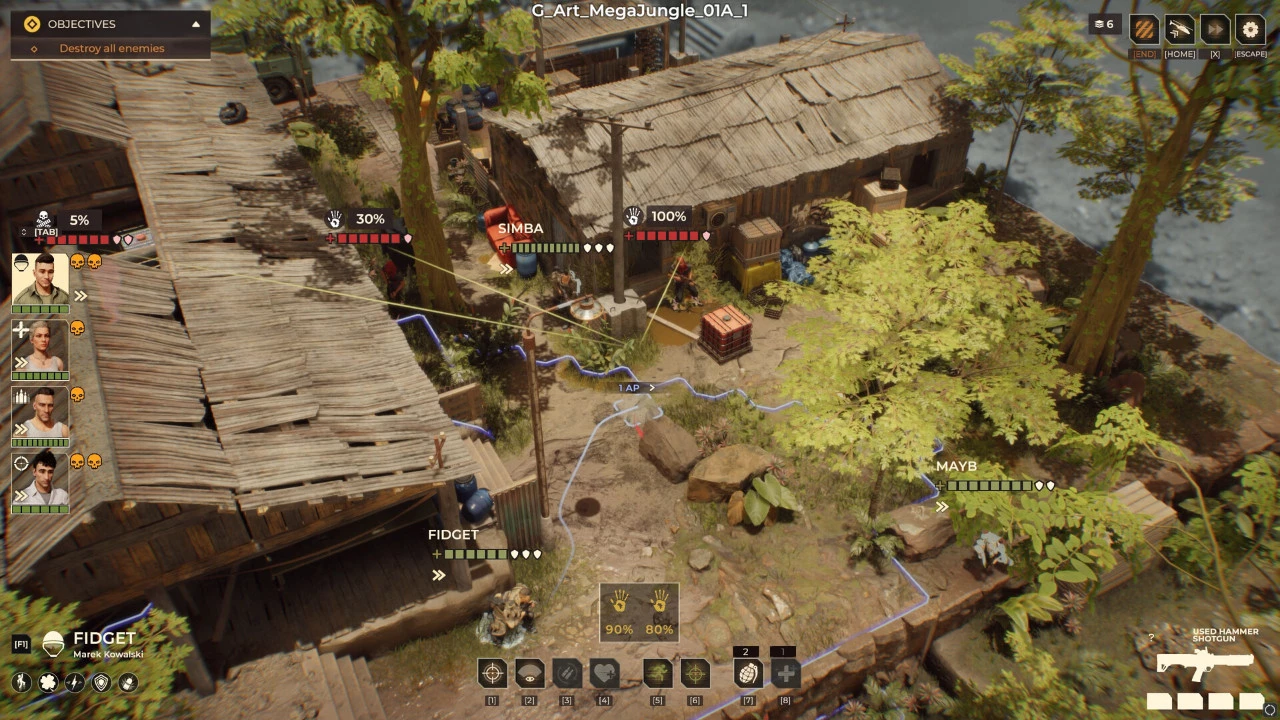
Sparta 2035 was originally developed as a tactical strategy game targeting the Russian and CIS (Commonwealth of Independent States) market. The game features squad-based combat mechanics, strategic planning elements, and a futuristic military setting that appealed to fans of the genre. However, when developers decided to create an international version under the name Warhounds, they made several significant changes to broaden its appeal to Western audiences. These modifications included adjusted marketing strategies, potential storyline alterations, and crucially, the removal of Russian language support from the international release.
The decision to launch a separate international version reflects a growing trend in the gaming industry where developers create region-specific products to maximize market penetration. This approach allows studios to tailor their games to different cultural expectations and market demands while potentially avoiding political sensitivities that might affect sales in certain regions. The tactical shooter genre has historically performed well in Western markets, with franchises like XCOM, Company of Heroes, and various Tom Clancy titles establishing strong player bases.
Steam Performance and Market Reception
The Steam platform has become the primary battleground for measuring a game’s commercial success in the PC gaming market. Warhounds’ strong debut on the platform indicates effective marketing and genuine player interest in the tactical gameplay it offers. Industry analysts note that the game’s performance metrics, including concurrent player counts, user reviews, and sales rankings, have exceeded those of the original Sparta 2035 release in Russian-speaking territories. This disparity raises interesting questions about market size, purchasing power, and the global appetite for military tactical games.
The absence of Russian language support in Warhounds has not deterred the game’s success, suggesting that the English-speaking market and other Western language communities represent a substantially larger potential audience. Steam’s global reach, combined with the platform’s robust recommendation algorithms and community features, has helped Warhounds find its audience quickly. The game benefits from Steam’s established infrastructure for reviews, community discussions, and content sharing, all of which contribute to organic growth and word-of-mouth marketing.
Industry Implications and Future Outlook
The contrasting fortunes of Sparta 2035 and Warhounds highlight the complexities of modern game publishing in an increasingly fragmented global market. Developers worldwide are learning that success in one region does not automatically translate to another, and that localization involves far more than simple language translation. Cultural adaptation, marketing positioning, and timing all play crucial roles in determining a game’s reception. The tactical strategy genre continues to evolve, with players demanding increasingly sophisticated AI, deeper strategic options, and more immersive combat experiences.
Looking ahead, the success of Warhounds may encourage other developers to pursue similar dual-release strategies, creating separate products optimized for different regional markets rather than attempting one-size-fits-all global launches. This approach, while resource-intensive, can maximize revenue potential and allow for more targeted community engagement. The gaming industry will be watching closely to see whether Warhounds can maintain its momentum through post-launch content updates and community support, as sustained success requires ongoing developer commitment beyond the initial release window.
Expert Opinion: The divergent performance between Warhounds and Sparta 2035 underscores a fundamental shift in how developers must approach global markets. As geopolitical factors increasingly influence consumer behavior and platform availability, we can expect more studios to adopt region-specific release strategies. This trend will likely accelerate, with successful franchises maintaining separate development tracks for different markets to optimize both commercial performance and cultural relevance.