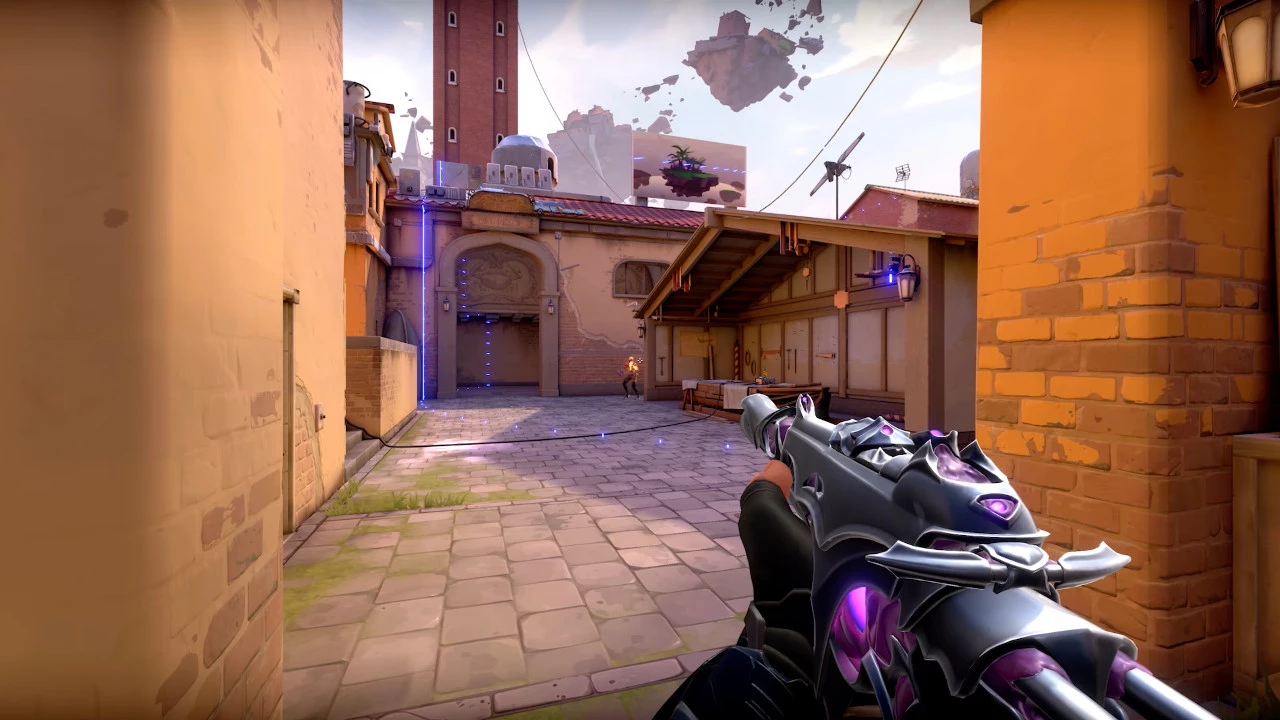







Riot Games, one of the world’s leading video game developers, has found itself at the center of a growing controversy following the implementation of new parental control features in its flagship titles, League of Legends and Valorant. What was initially designed as a protective measure for younger players has instead created widespread frustration among the gaming community, as adult users report being unexpectedly locked out of basic game functions. The situation highlights the ongoing challenges game developers face when attempting to balance child safety with user experience.
The new parental control system was introduced as part of Riot’s broader commitment to creating safer gaming environments. Features include restrictions on in-game chat functions, limitations on friend list capabilities, and reduced access to certain social features. However, players quickly discovered that these restrictions were being applied indiscriminately, affecting verified adult accounts alongside those of minors. Reports flooded social media and gaming forums, with frustrated users describing how they could no longer communicate with teammates or add new friends to their accounts.
The Technical Breakdown: What Went Wrong
The root of the problem appears to lie in how Riot Games implemented its age verification system. According to community reports, the parental controls are being triggered based on account creation dates, regional settings, or other metadata that doesn’t accurately reflect the user’s actual age. In some cases, players who created accounts years ago as teenagers—and have since become adults—found themselves suddenly restricted. The system seemingly failed to account for the passage of time and the natural aging of its player base, a significant oversight for games that have been running for over a decade.
League of Legends, which launched in 2009, has accumulated a player base that spans multiple generations. Many current adult players first joined the game during their teenage years and have continued playing into adulthood. Valorant, released in 2020, attracted many of these same players. The failure to properly update age-related data or provide clear pathways for age verification has left countless legitimate adult users caught in a system designed for children. Industry analysts note that this represents a common pitfall in gaming—implementing broad safety measures without adequate testing or user segmentation.
Industry Context and Regulatory Pressure
Riot’s move toward stricter parental controls comes amid increasing regulatory pressure on gaming companies worldwide. Governments in multiple countries, including the United States, United Kingdom, and various European nations, have been pushing for stronger protections for minor users in online spaces. China has implemented some of the world’s strictest gaming regulations for minors, limiting play time and requiring real-name verification. These global trends have forced companies like Riot Games to act proactively, though the current situation demonstrates the risks of rushed implementation.
The gaming industry has long struggled with age verification. Unlike physical purchases where identification can be checked, online platforms must rely on self-reported information or complex verification systems that often prove intrusive or unreliable. Privacy concerns further complicate matters, as many users are reluctant to provide government identification or other sensitive documents to gaming companies. Riot Games has not yet publicly detailed how it plans to allow affected adult users to verify their age and restore full functionality to their accounts.
Community Response and Company Silence
The community response has been swift and largely negative. Popular gaming forums, Reddit communities dedicated to both titles, and social media platforms have seen an explosion of complaints. Content creators and professional players have also voiced concerns, noting that communication features are essential for competitive play. Some users have reported that the restrictions make ranked gameplay nearly impossible, as team coordination relies heavily on in-game chat and voice communication features that are now disabled.
As of this writing, Riot Games has remained relatively quiet about the widespread issues, offering no official statement addressing the scope of the problem or a timeline for resolution. This silence has only intensified community frustration, with many players feeling ignored after years of loyalty to the company’s products. The incident serves as a cautionary tale for the gaming industry about the importance of thorough testing and clear communication when implementing features that affect core gameplay functionality. Industry observers suggest that Riot will need to act quickly to restore trust among its dedicated player base.
Expert Opinion: This situation exemplifies a recurring pattern in the tech industry where well-intentioned safety measures are deployed without adequate edge-case testing. Riot Games will likely need to implement a robust age verification appeal system within weeks, not months, to prevent significant player churn. The broader lesson for the industry is that child safety features require nuanced implementation that distinguishes between protecting minors and restricting adults—a technical challenge that demands more resources than many companies initially allocate.